Automatically translated with AI
This page was automatically translated using AI and serves as an additional aid and service. For legally binding content, please use the German page.
European Democracy Congress 2026: Empowering Democracy launches broad discussion on a positive vision for the future in 2035
Experts from three countries discussed a shared vision for the future and key topics such as education, integration, and democratic participation at the Old Main Customs Office.
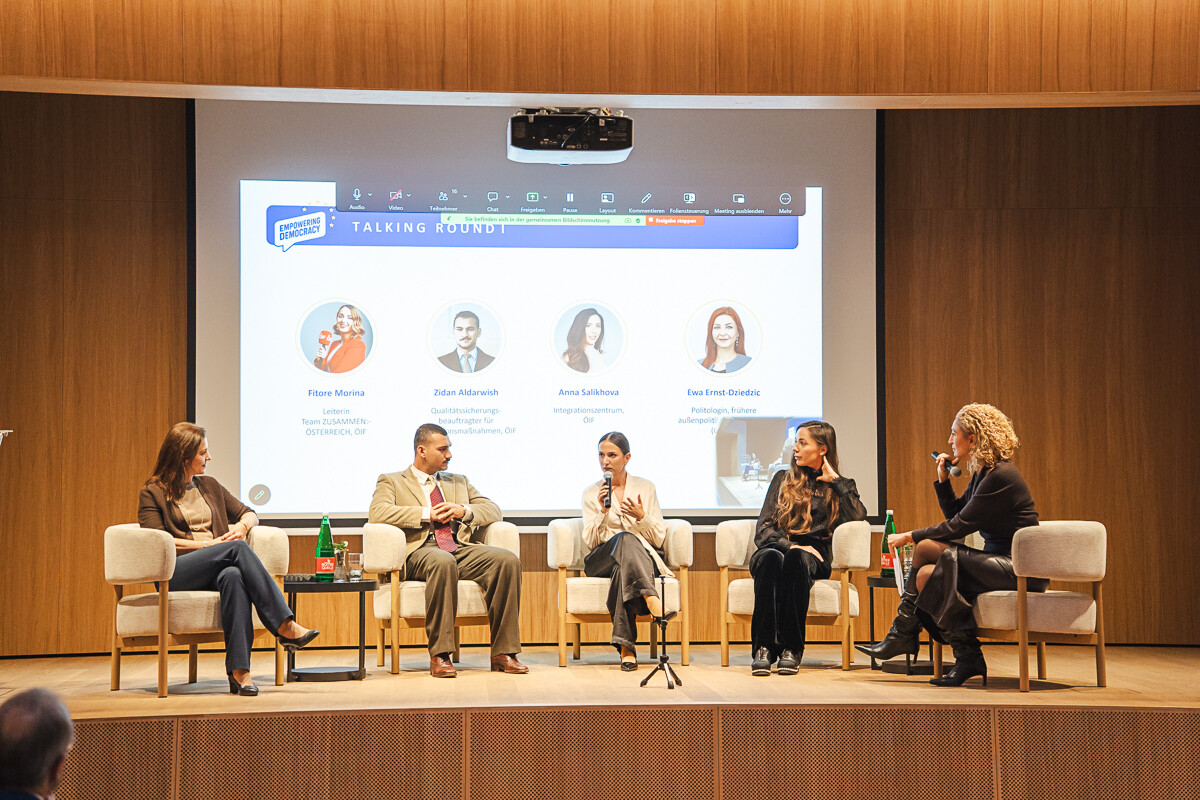
The European Democracy Congress “Empowering Democracy – Shaping Democracy Positively” took place on November 20 and 21, 2026, at the Old Main Customs Office, the new headquarters of the Austrian Integration Fund (ÖIF) in Vienna. The two-day event brought together experts from academia, politics, administration, business, and civil society from Austria, Germany, and Switzerland. The focus was on current challenges facing democratic societies, opportunities for positive cross-border development and strengthening social cohesion, and the creation of a positive vision for the future in 2035.
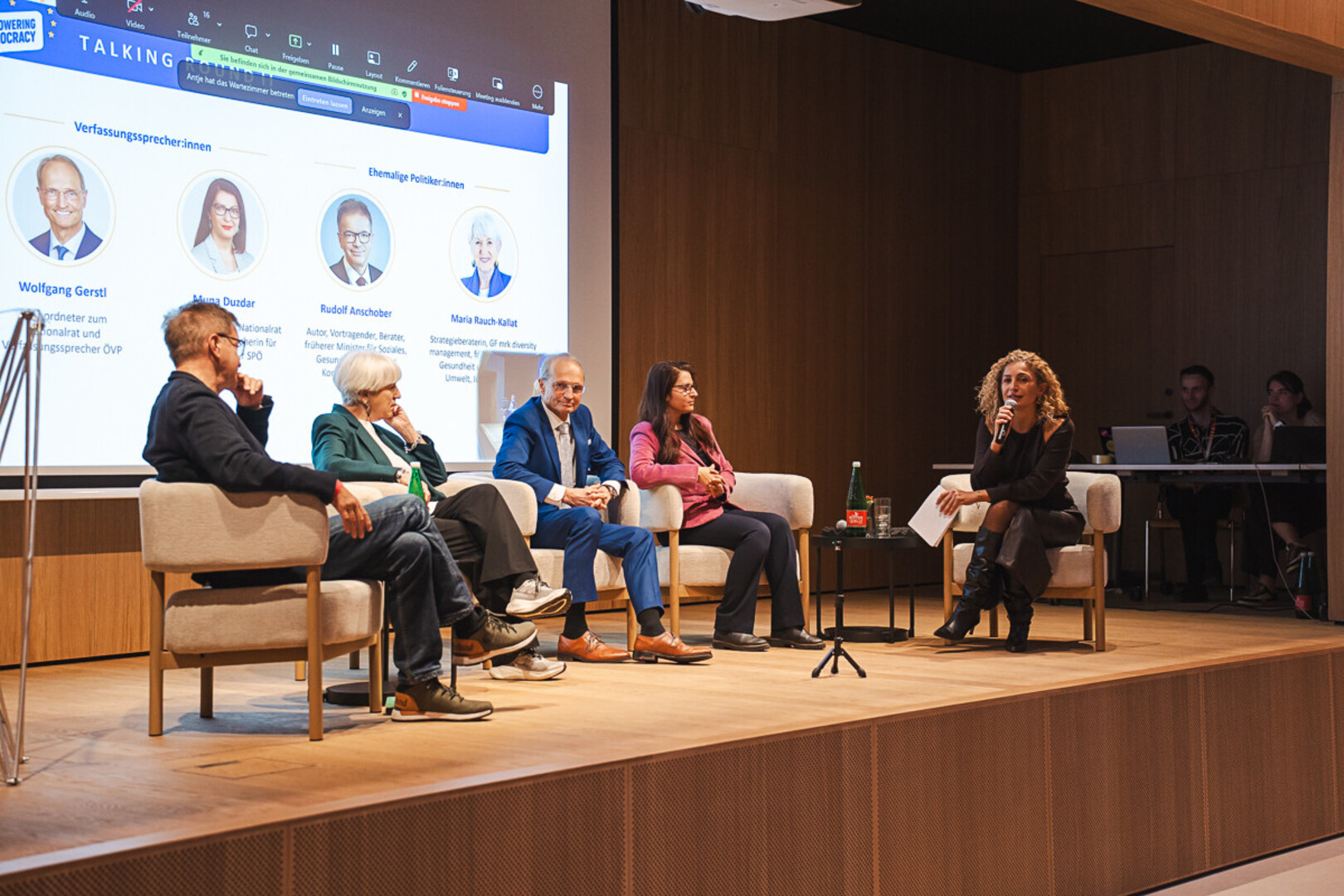
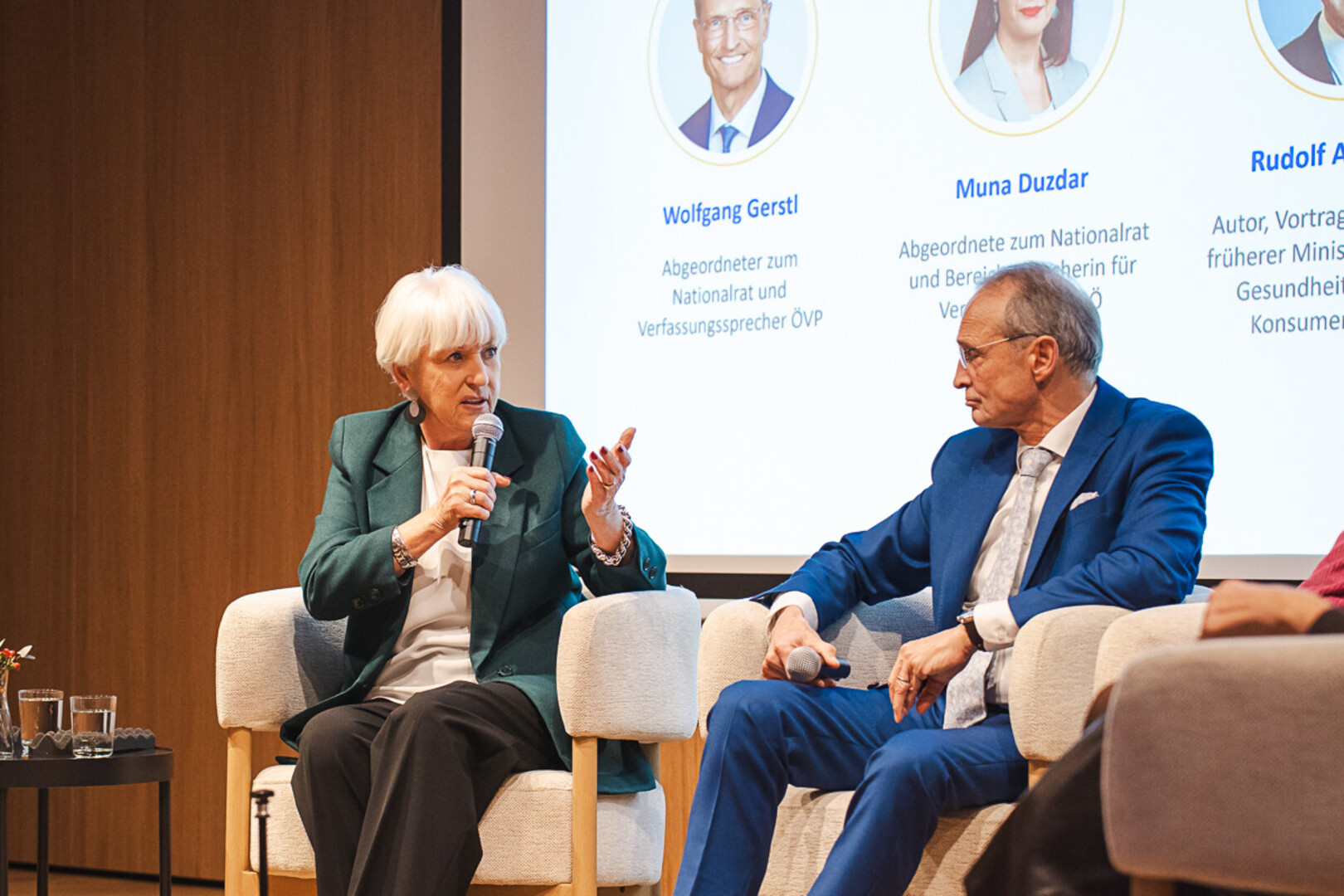
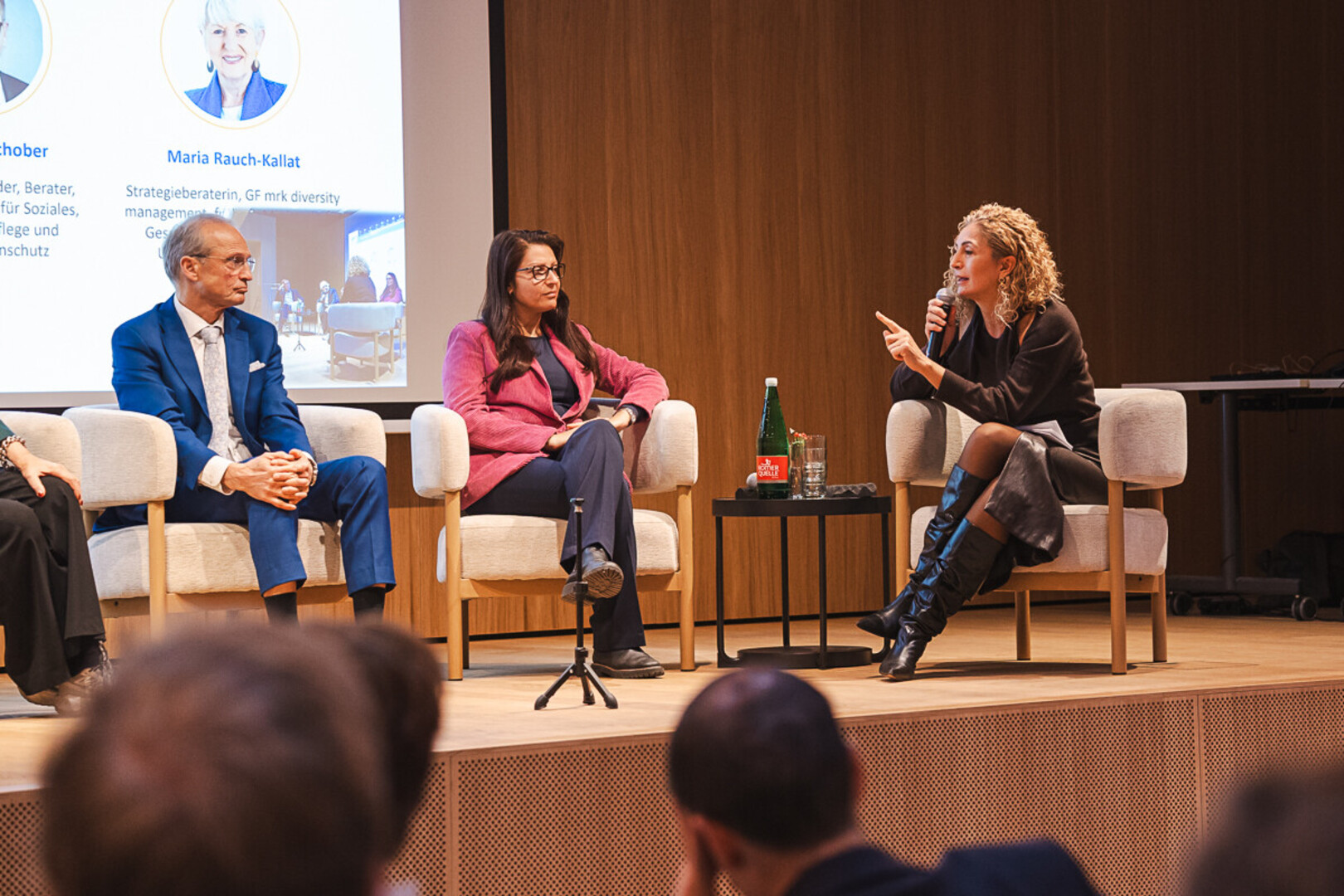
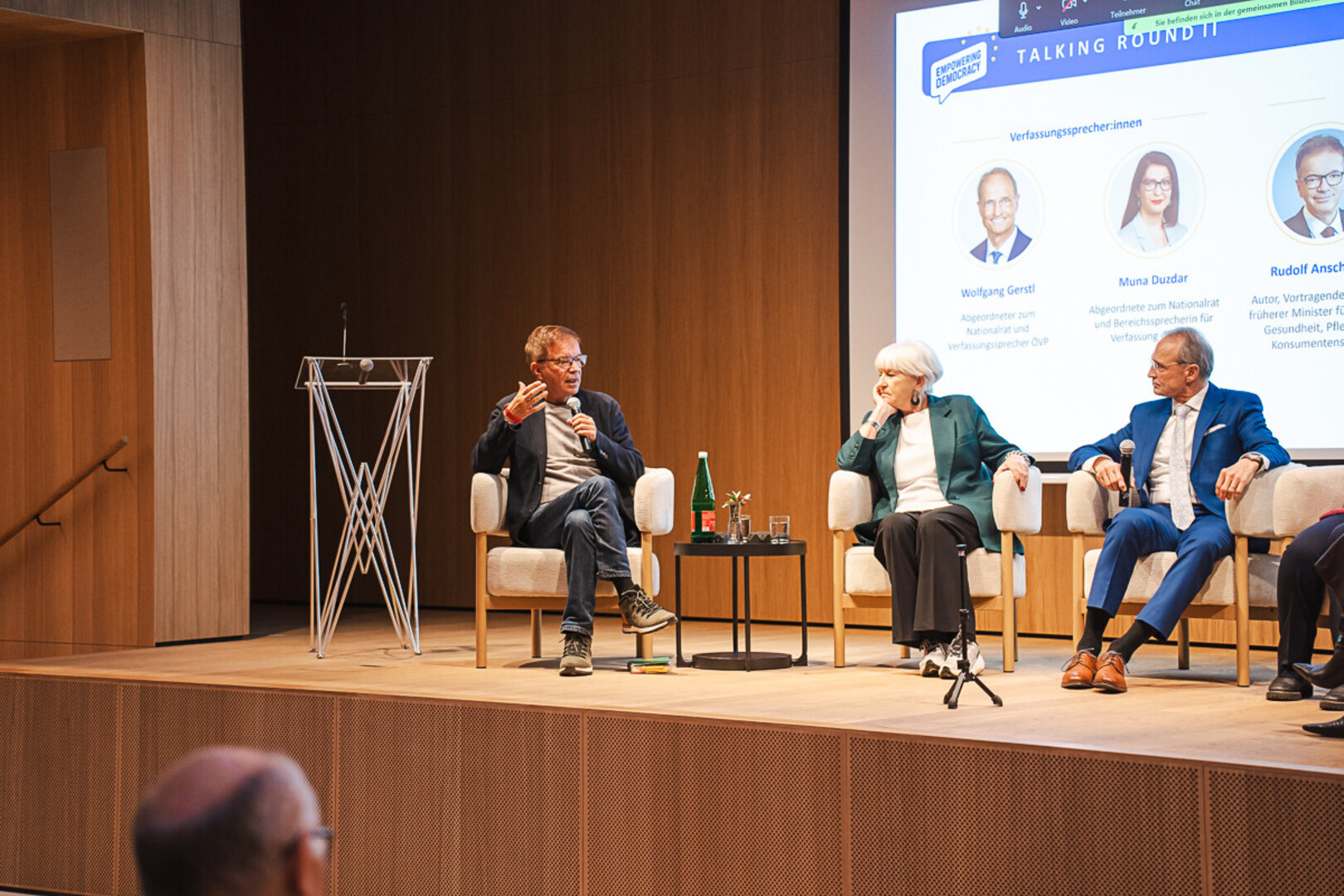
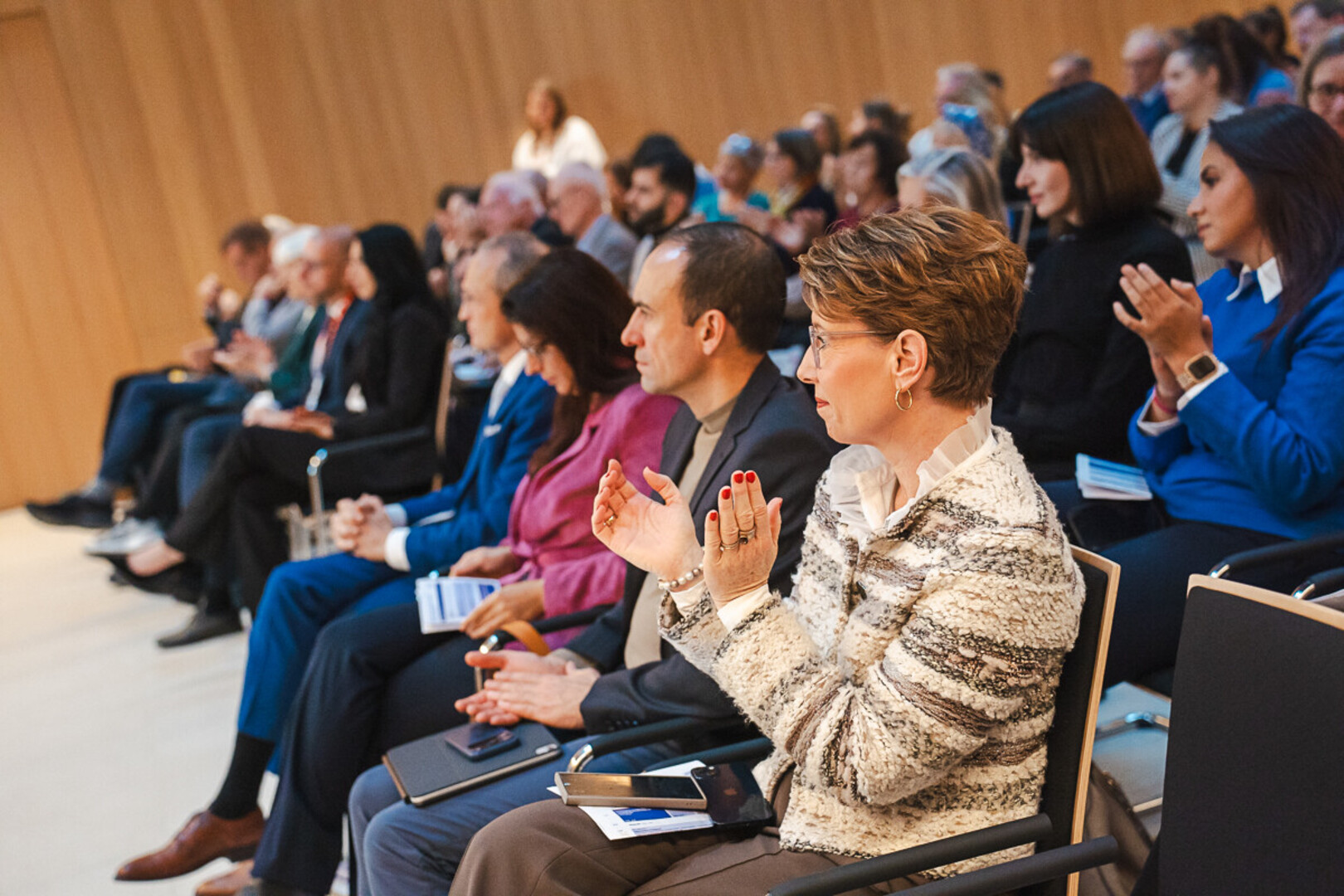

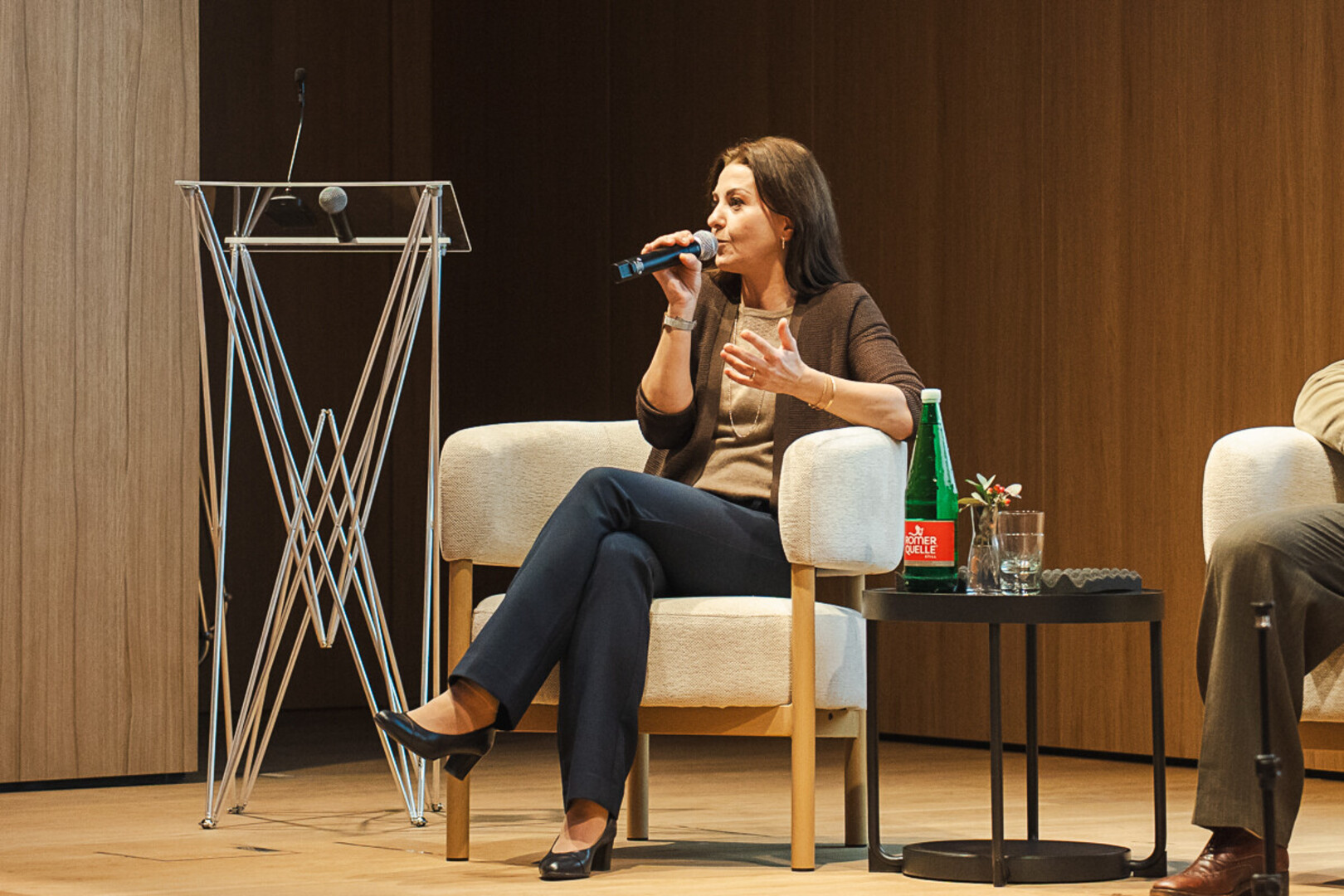
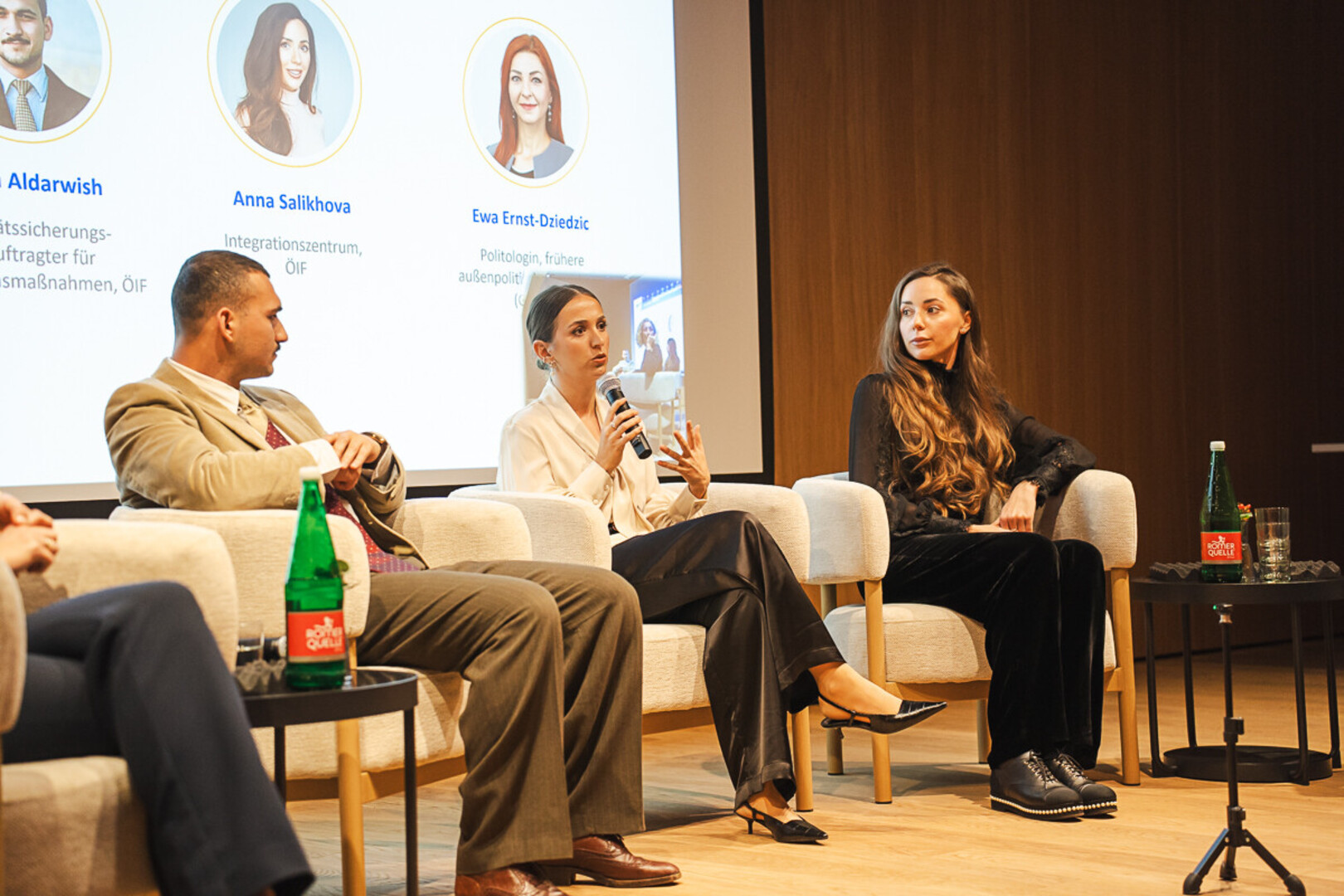
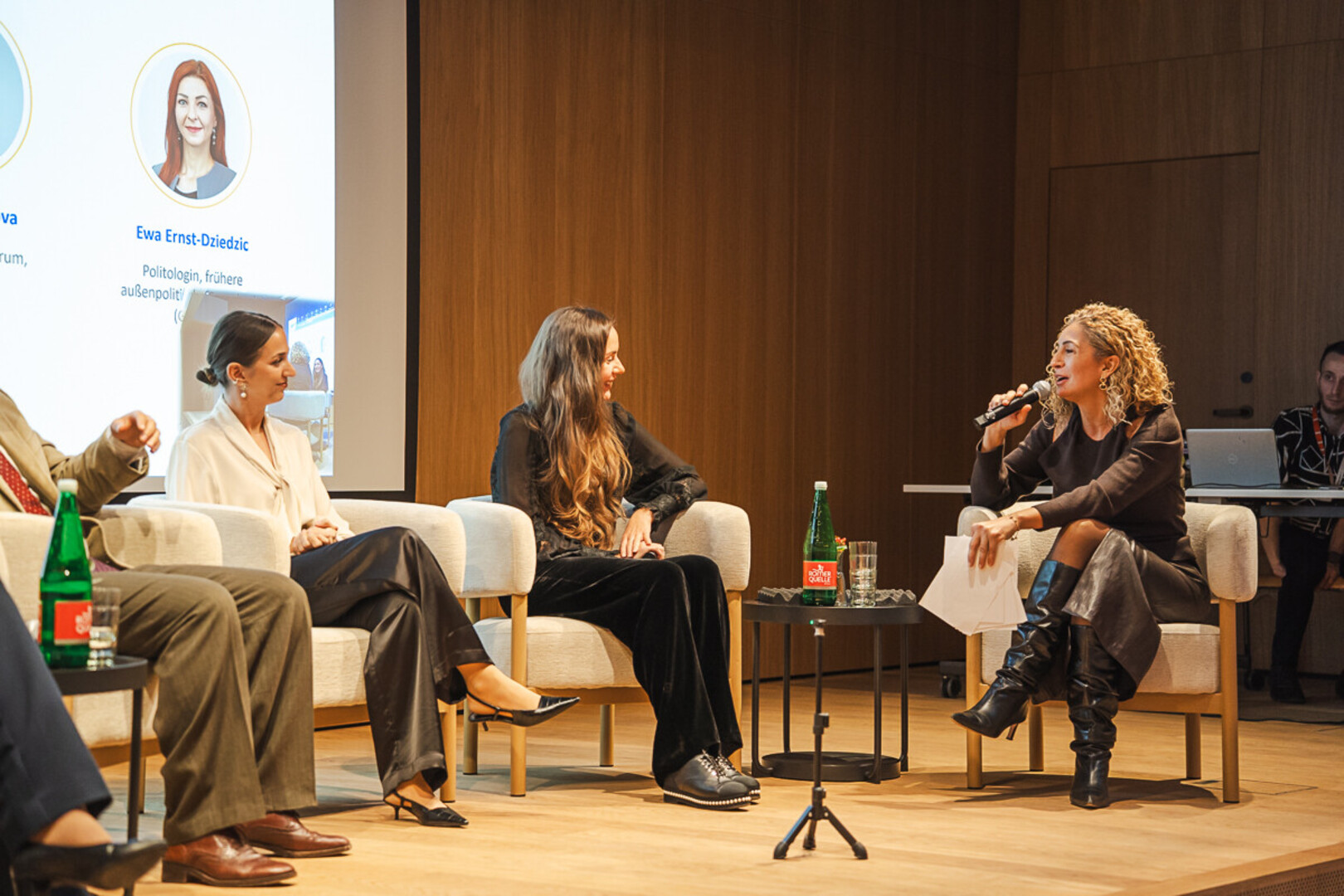
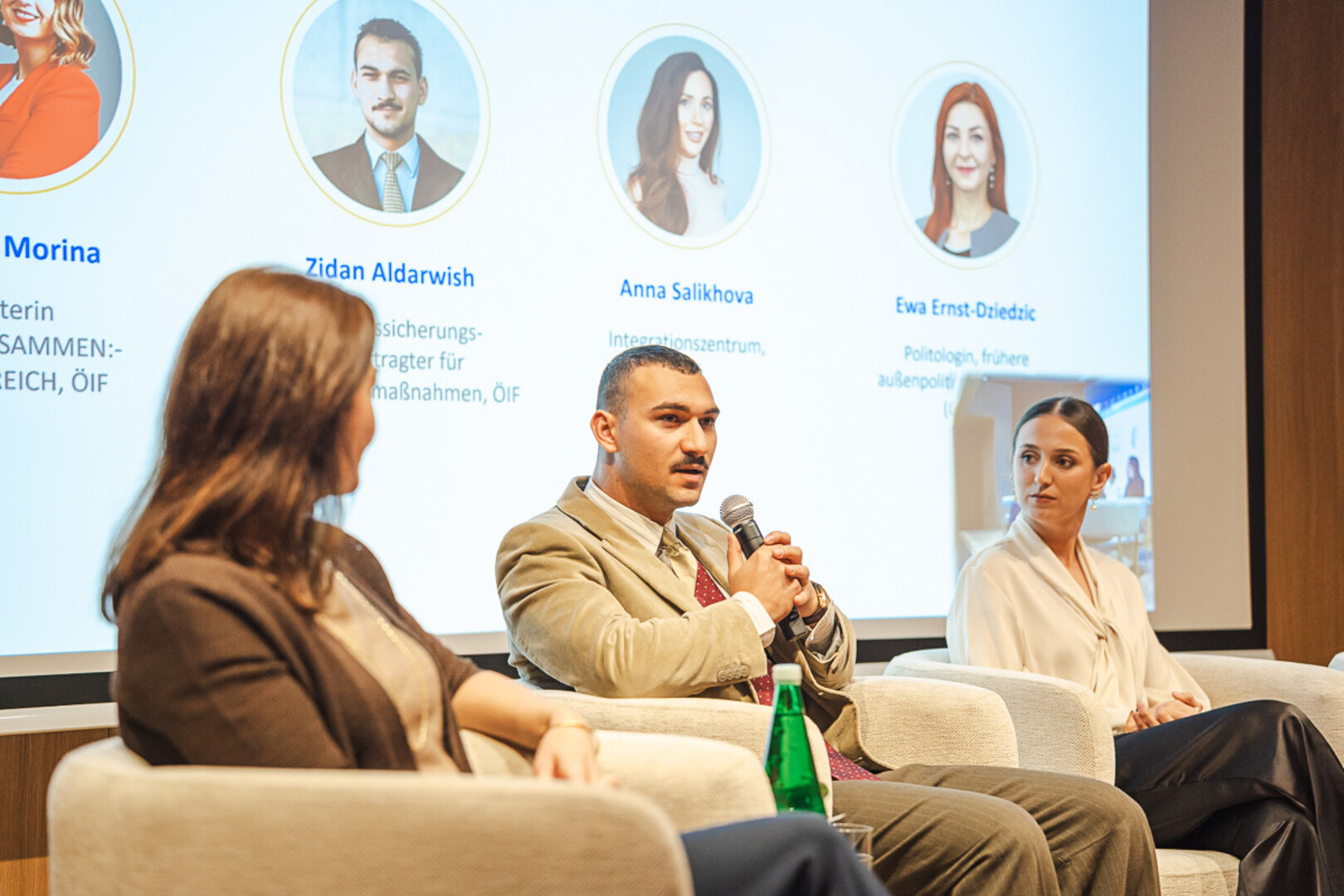
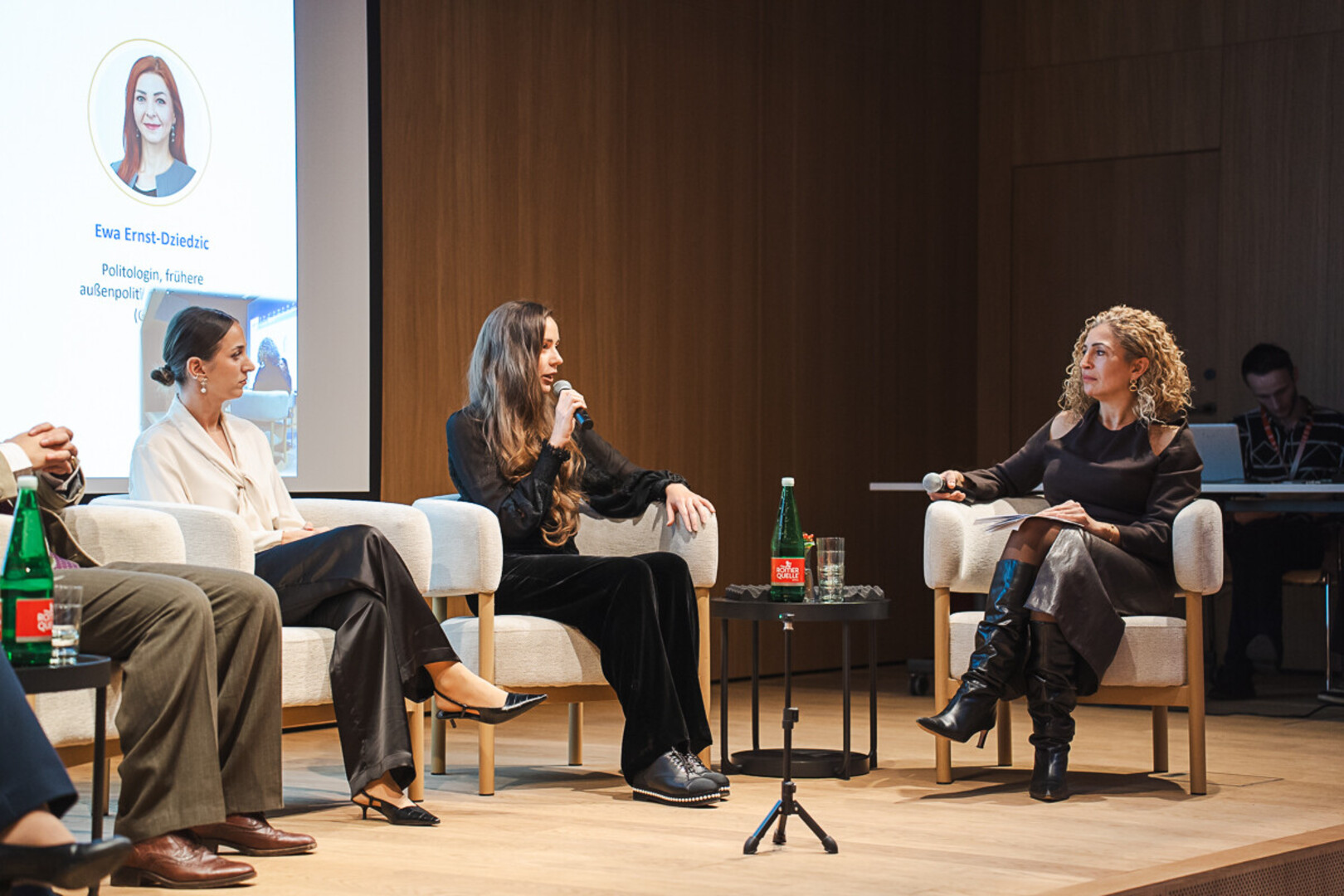
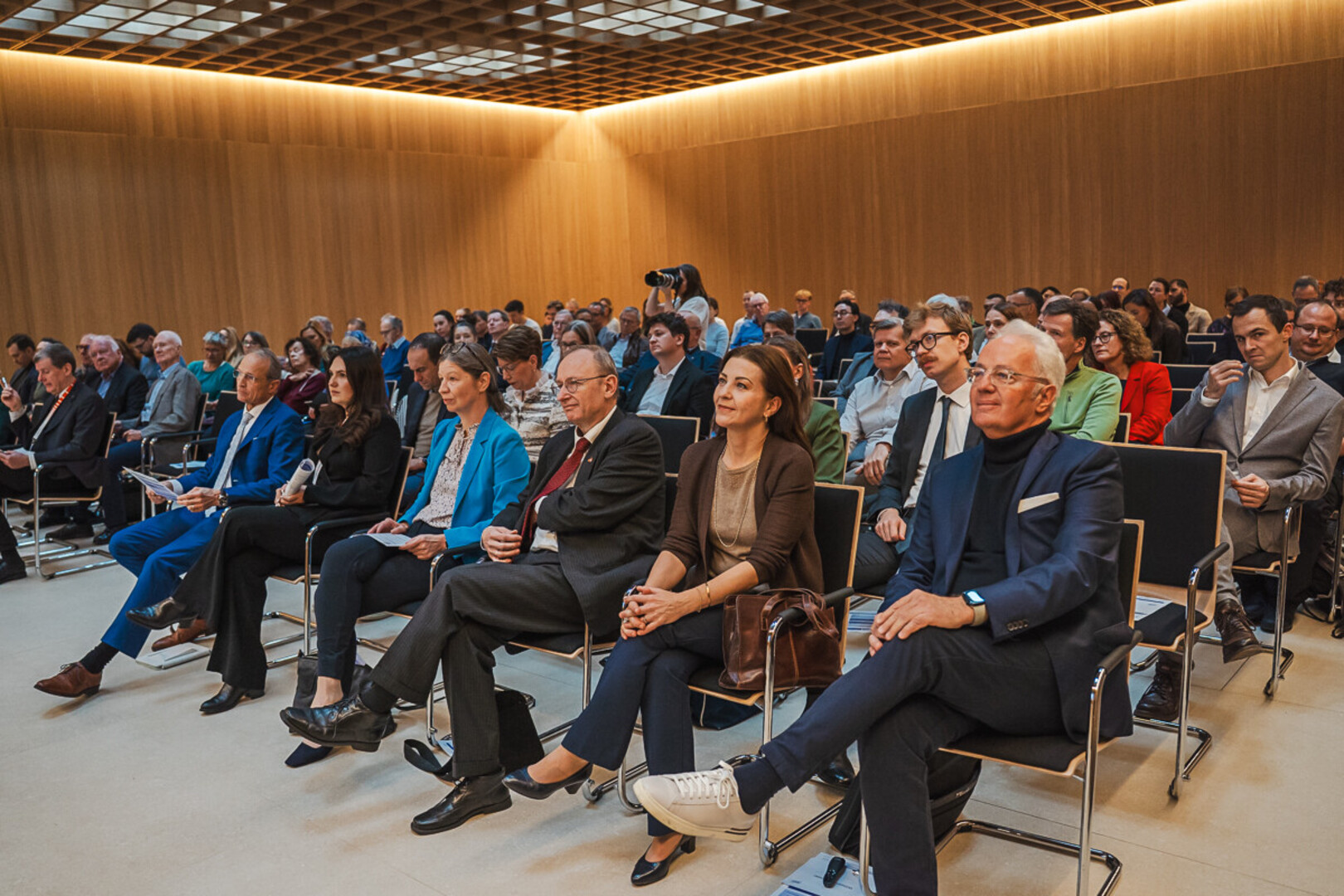
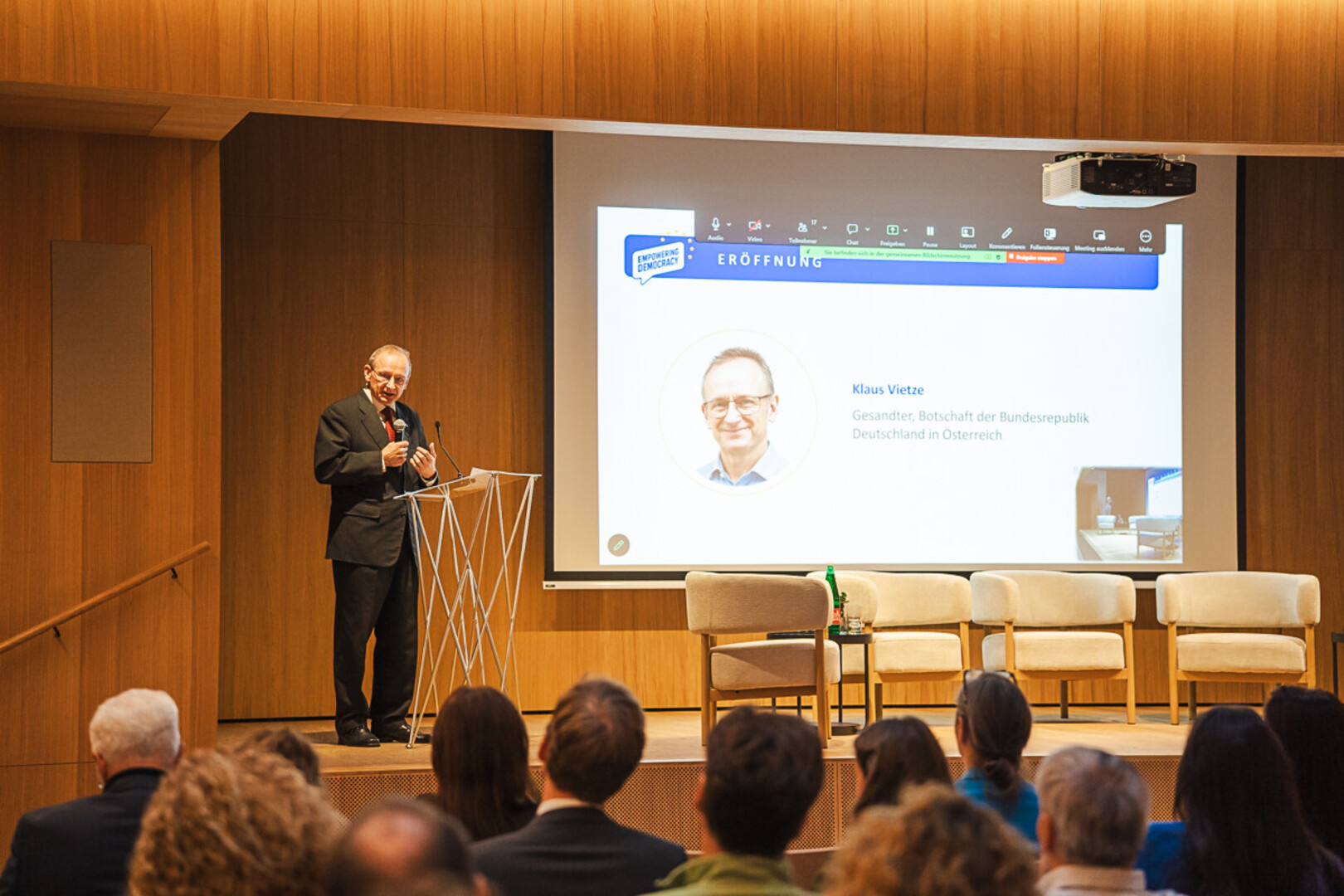
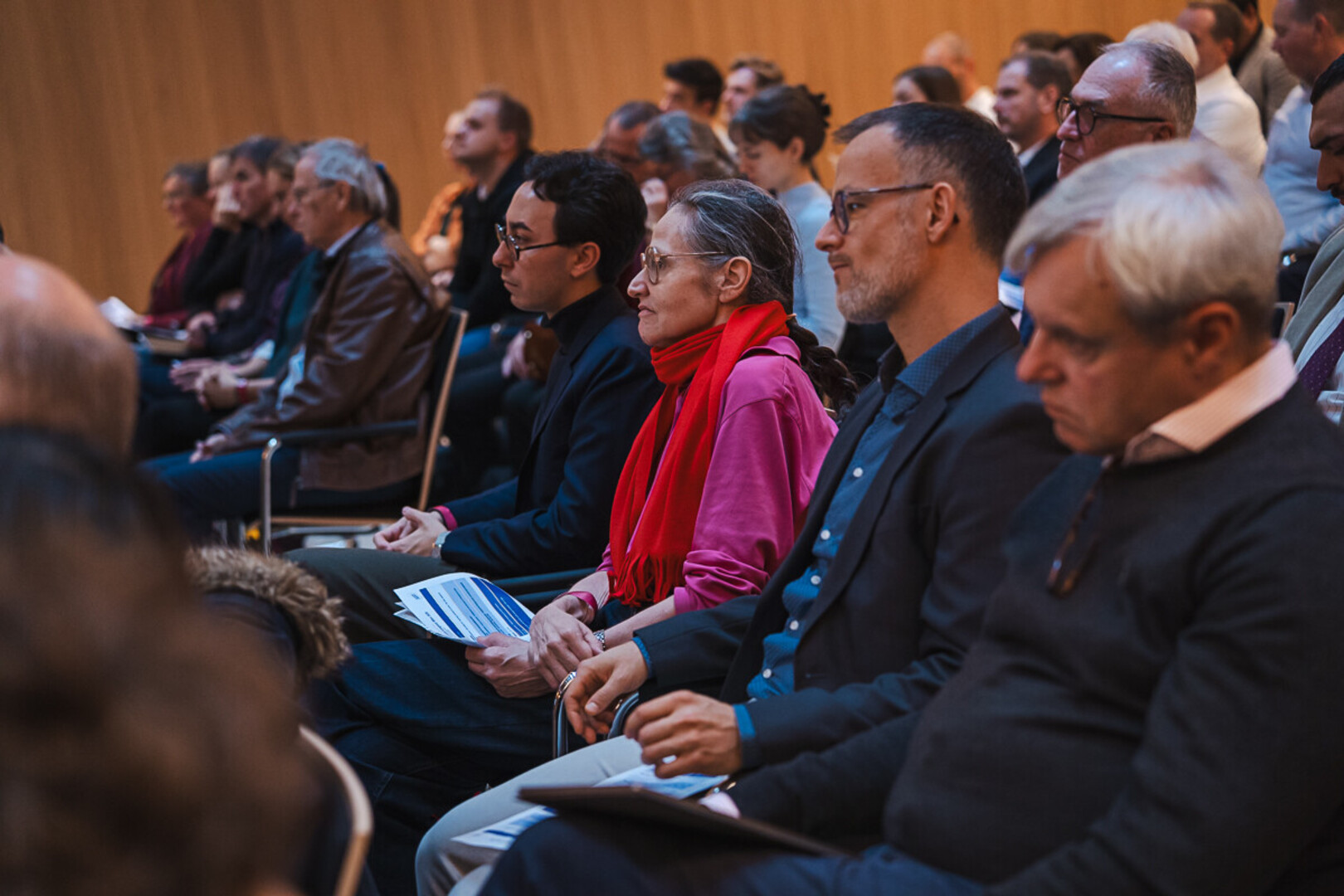
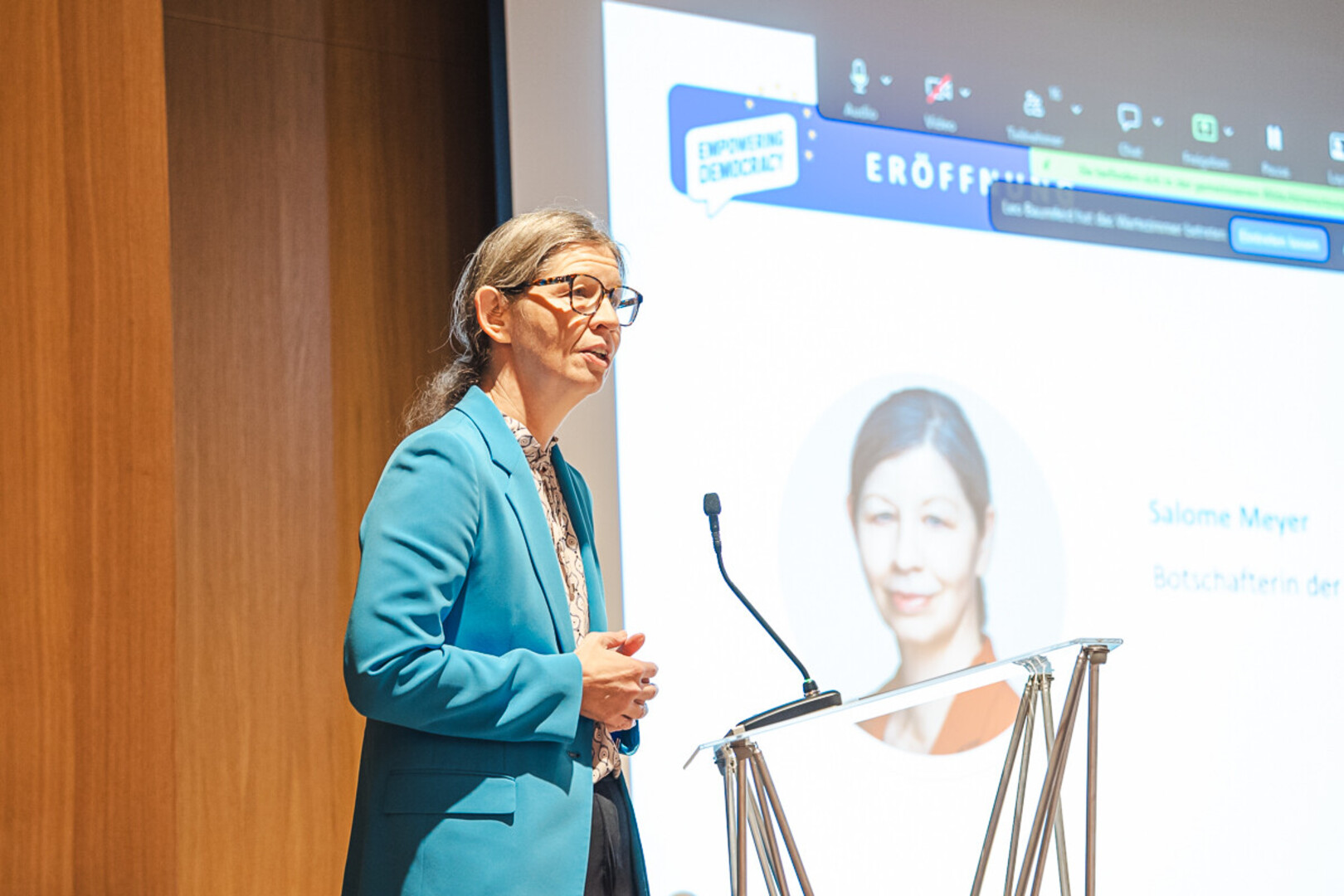
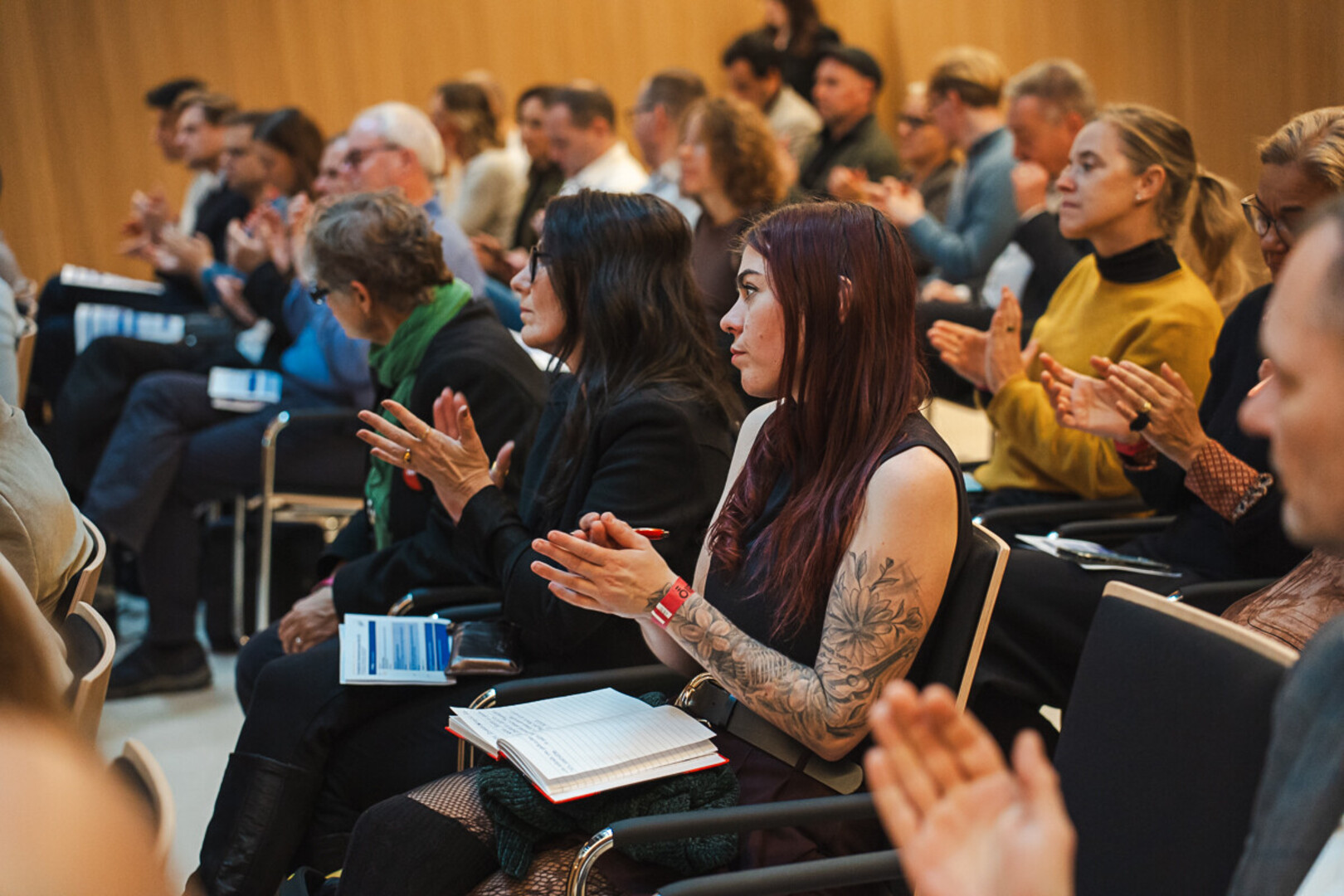
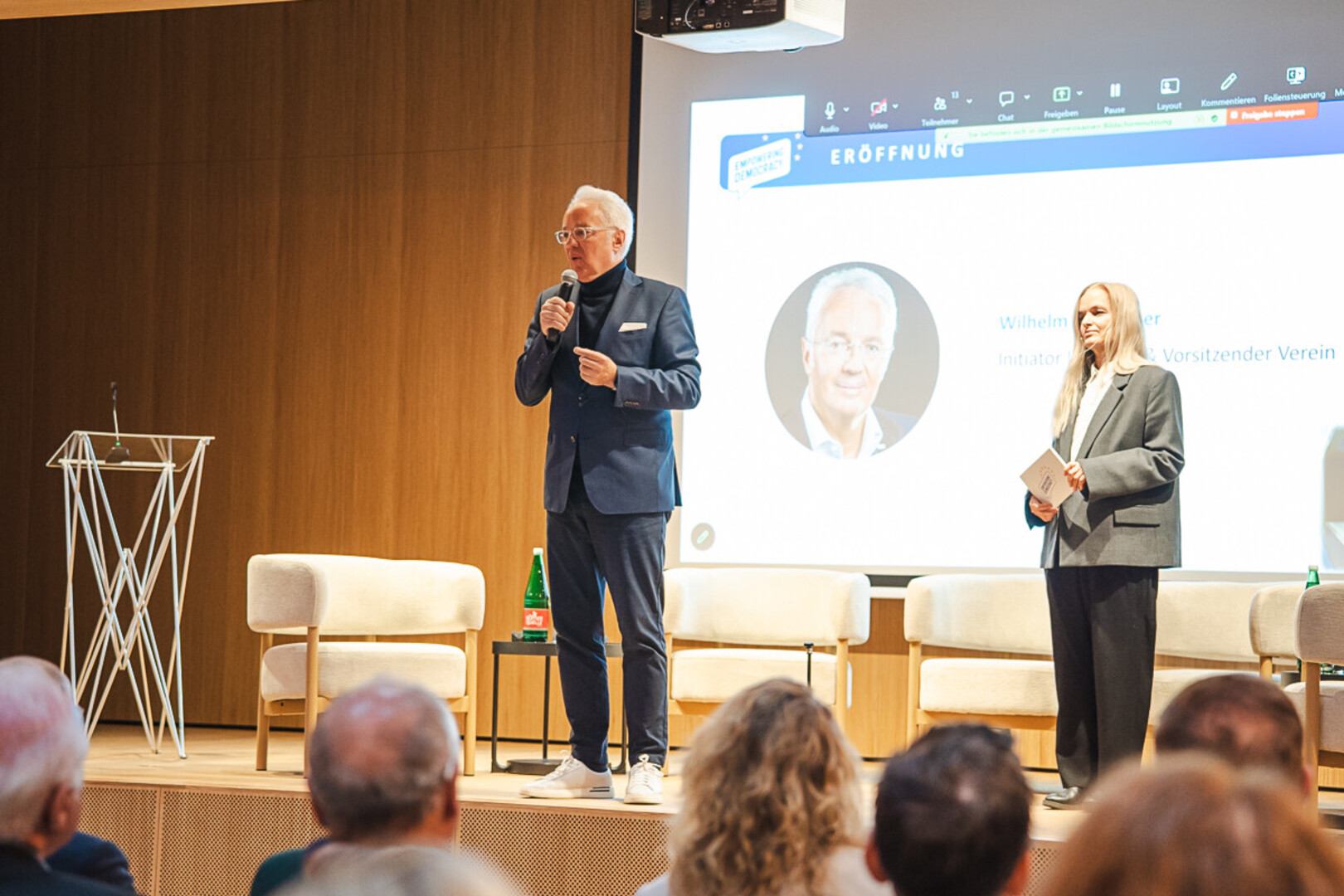
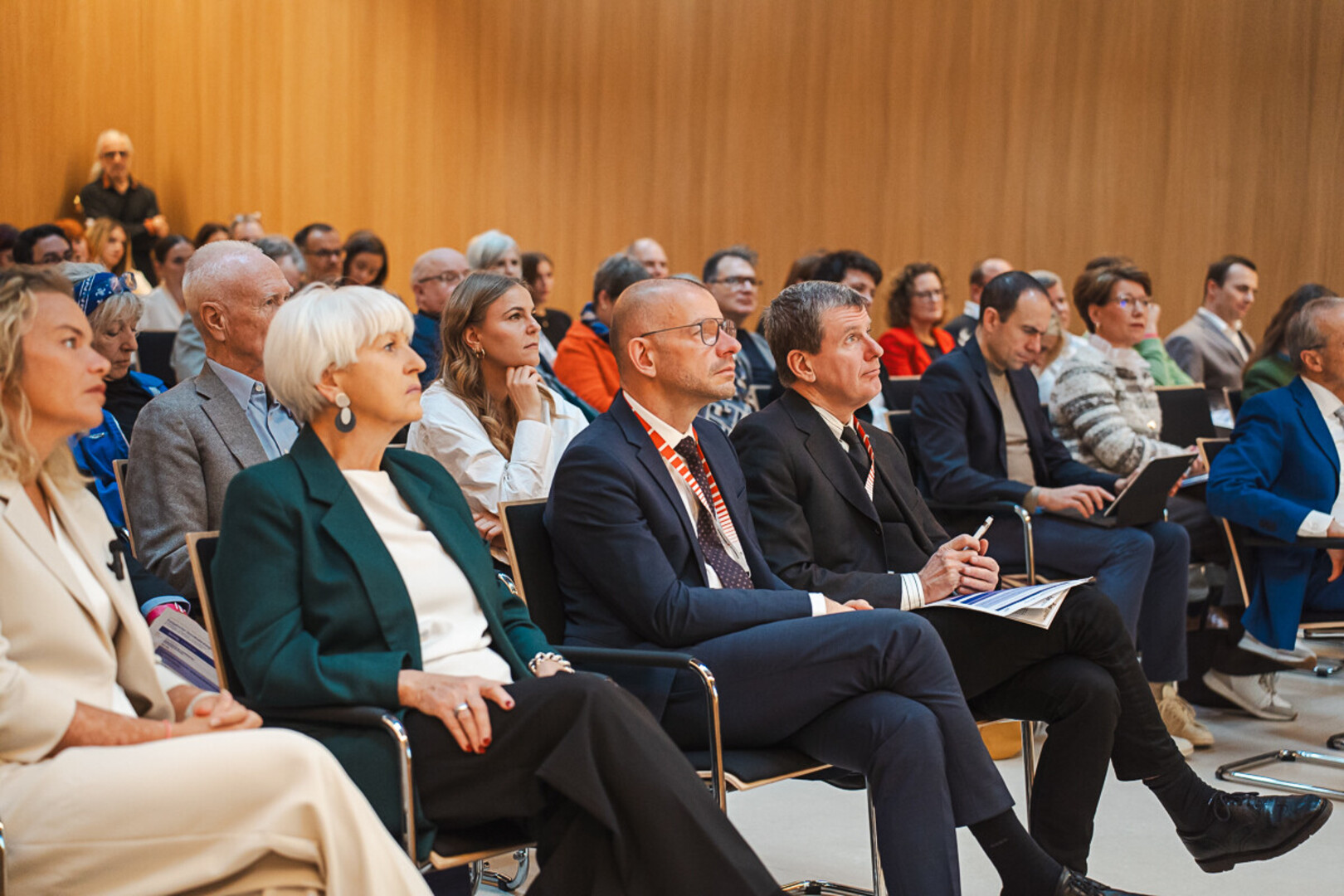
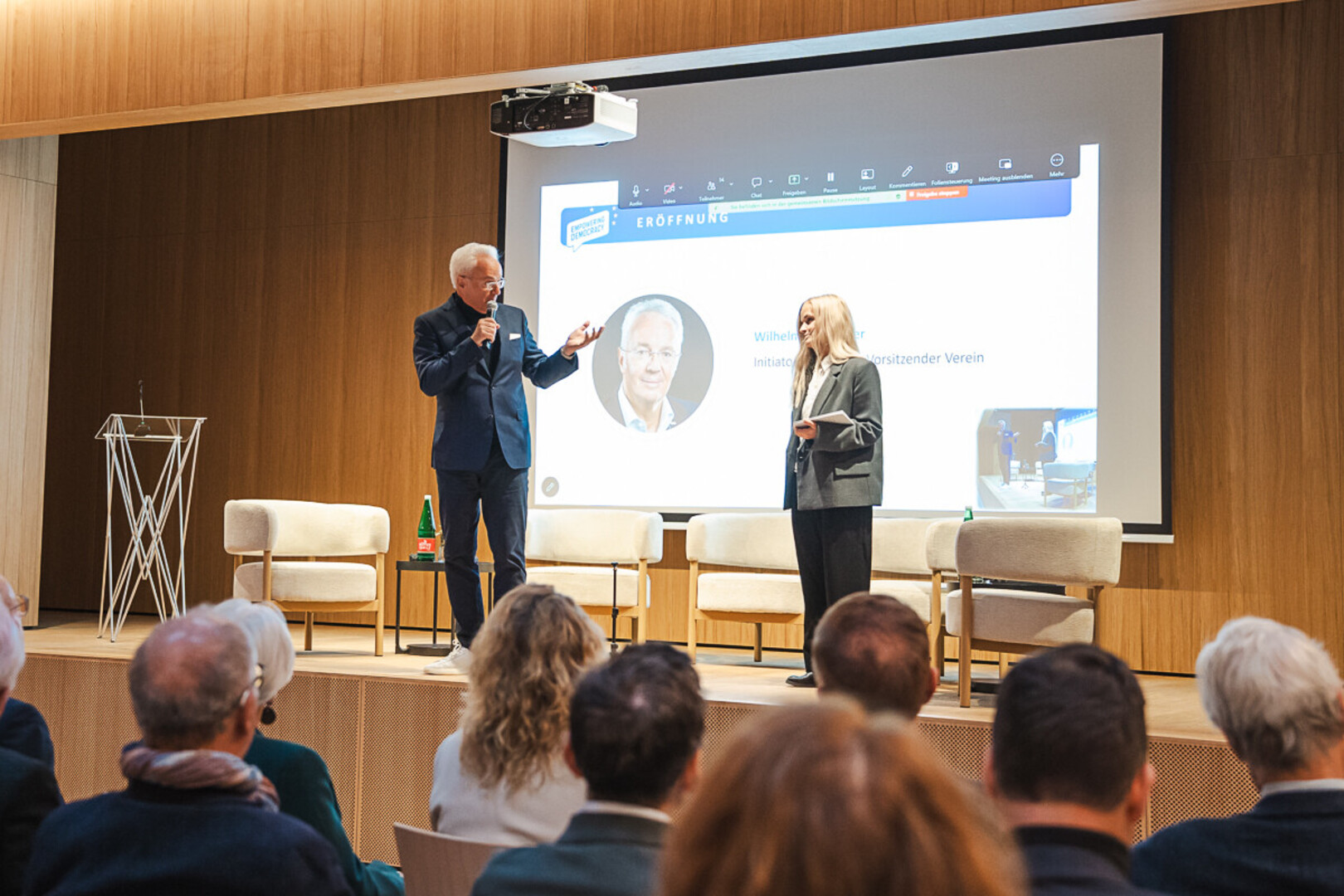
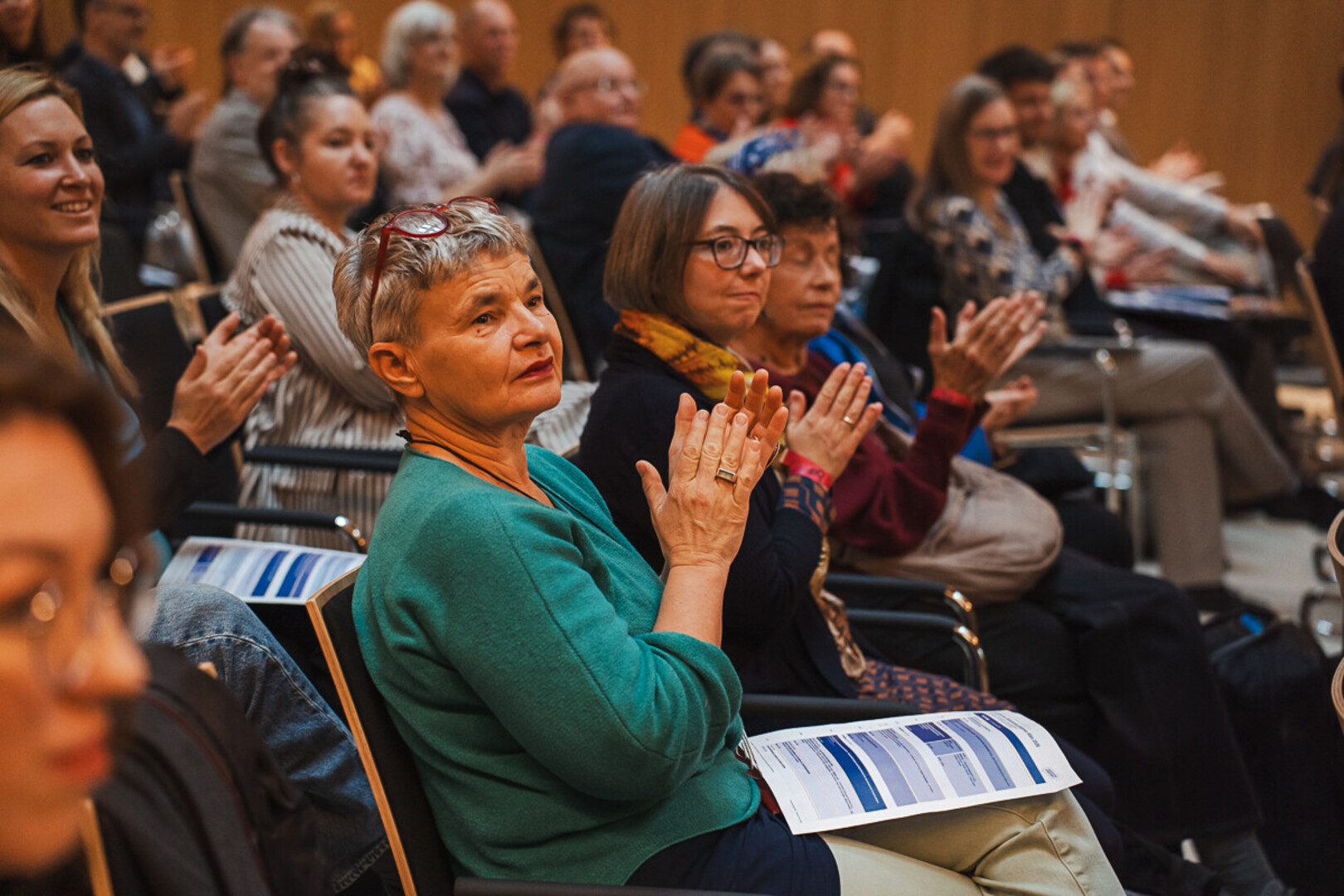
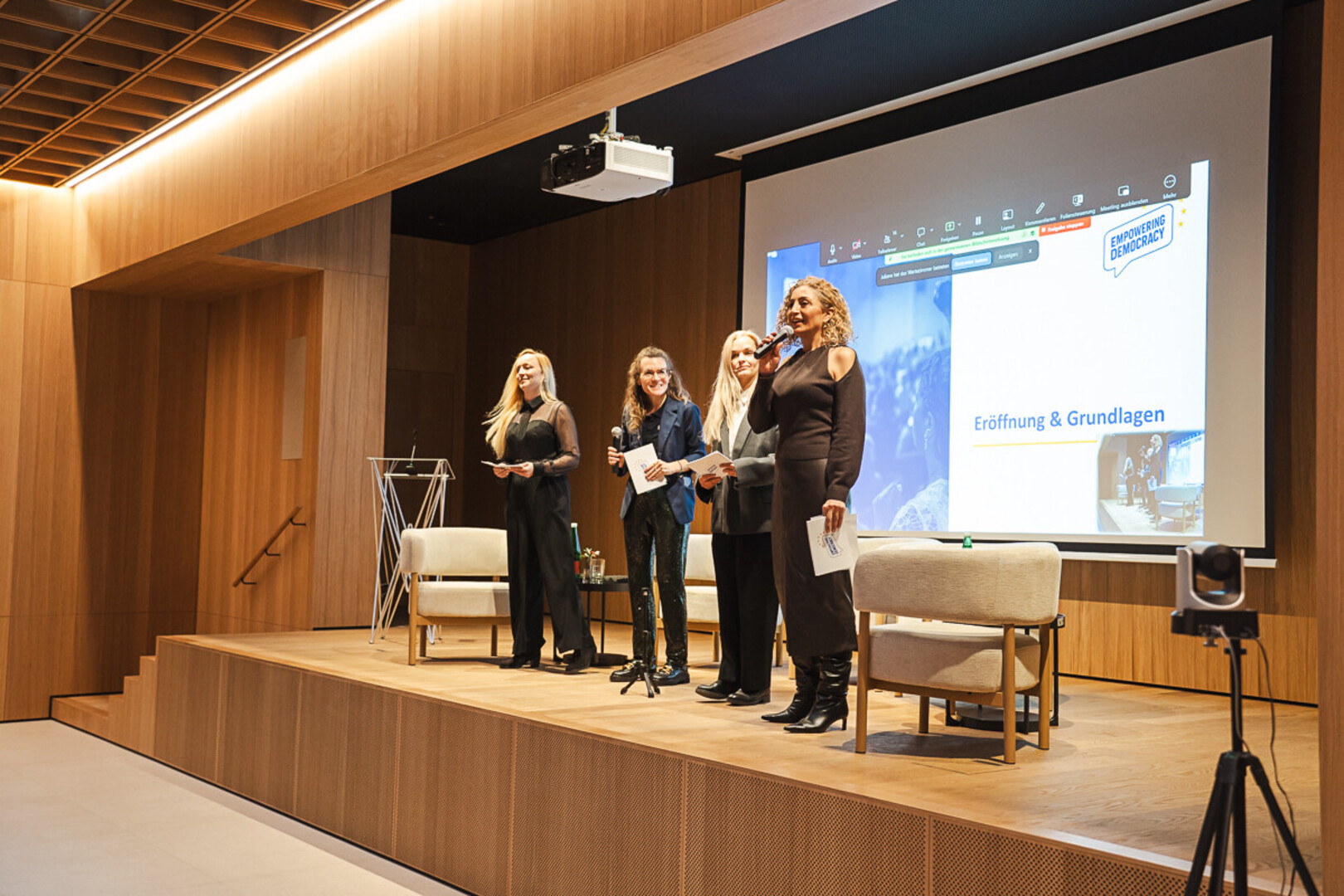
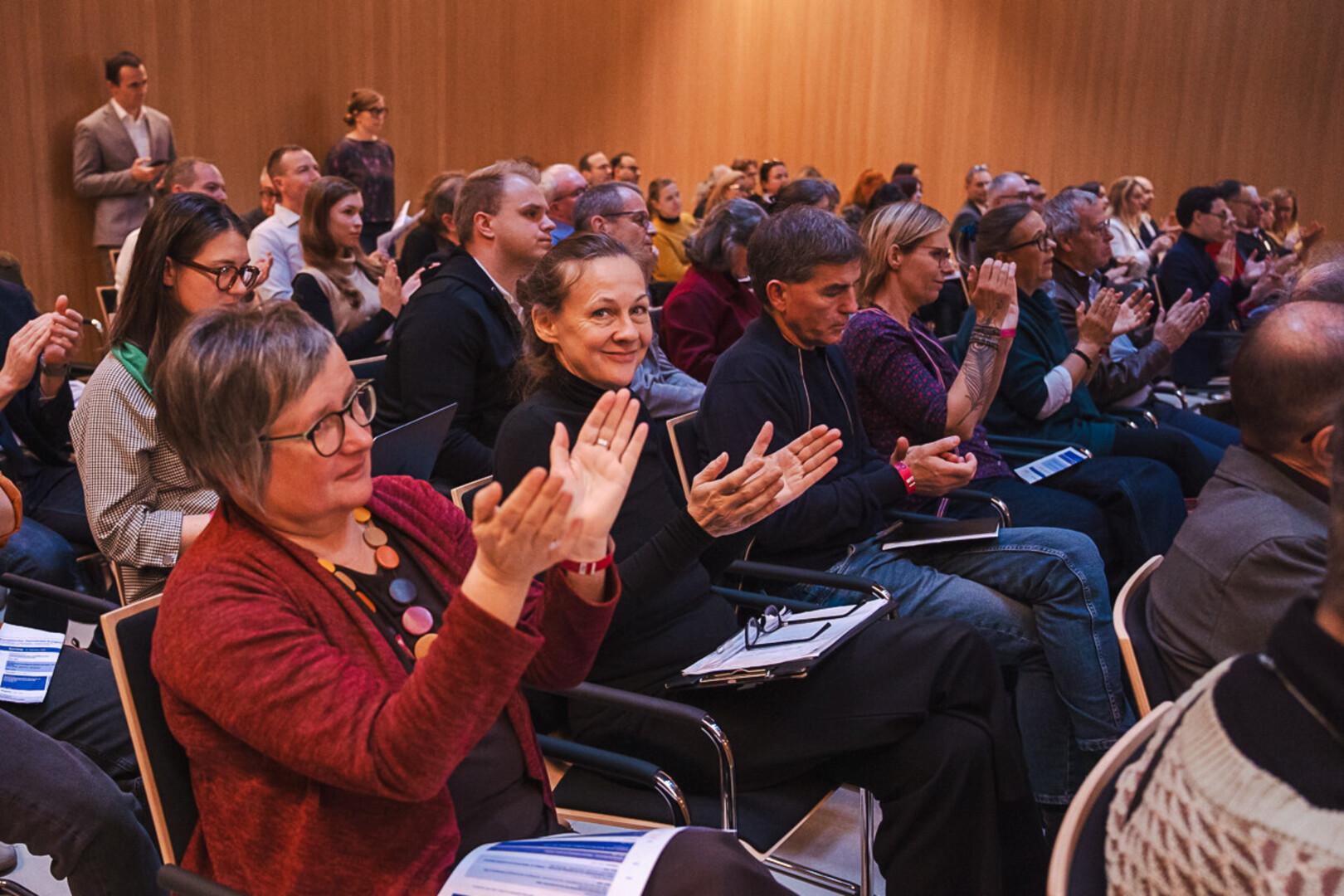
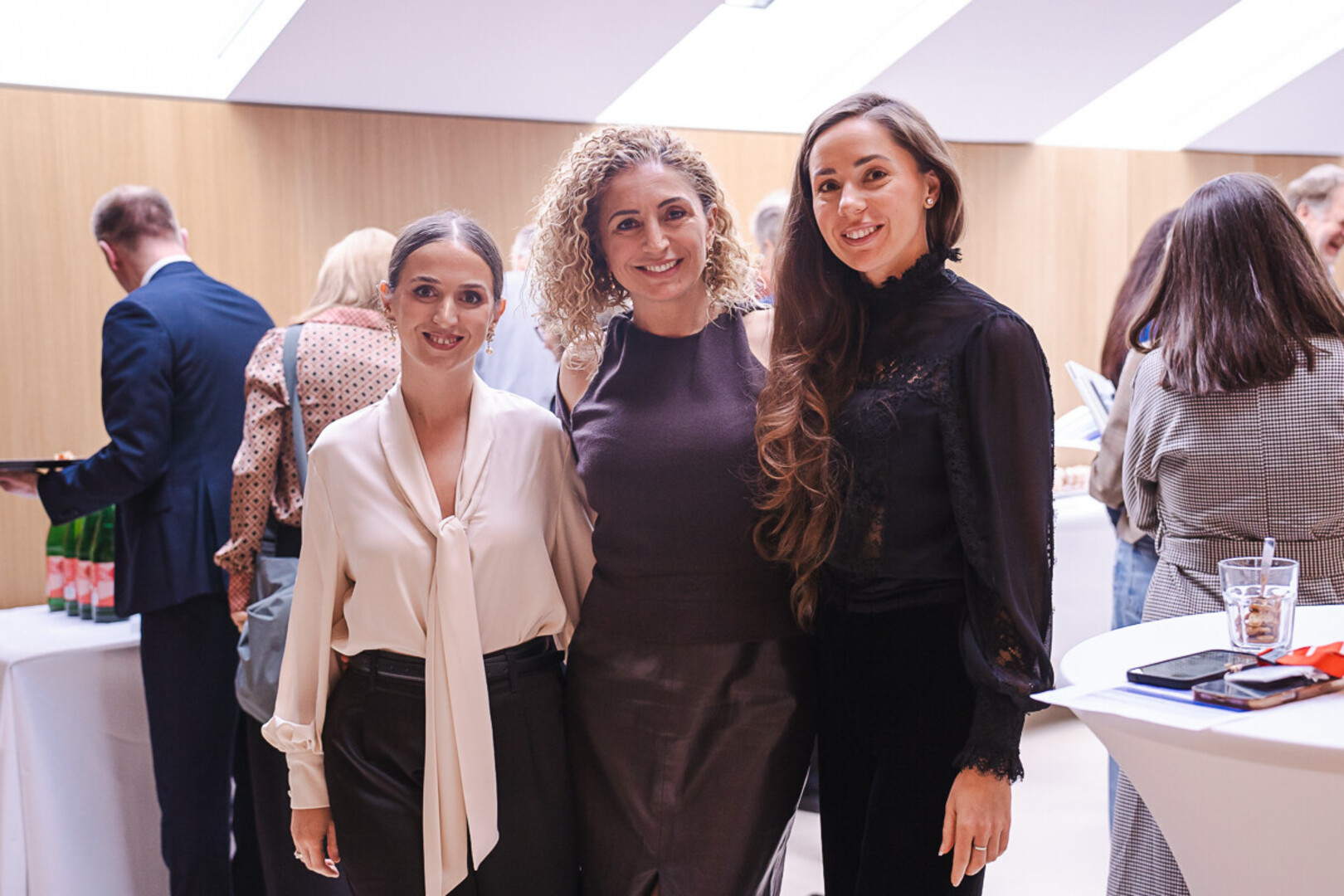
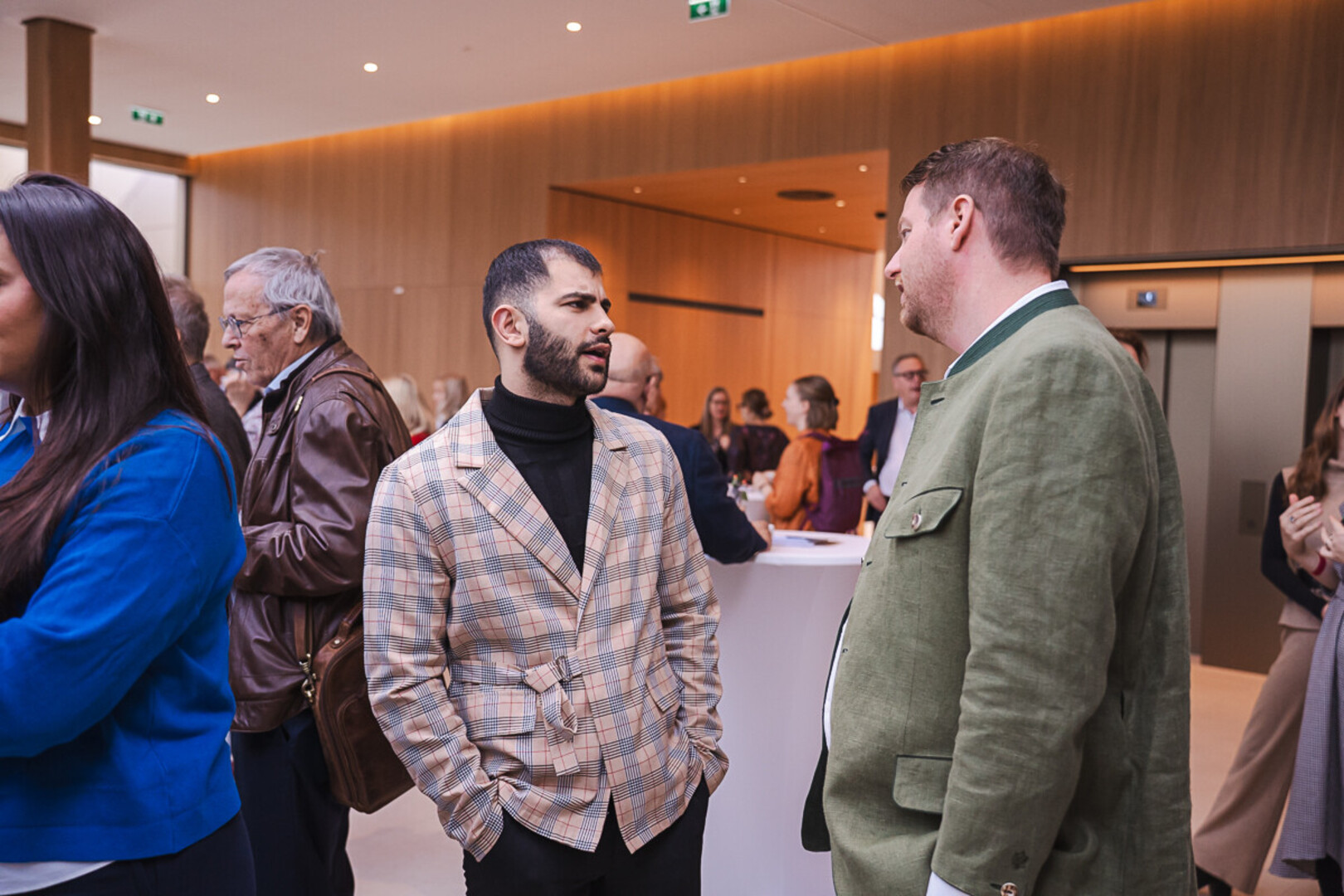
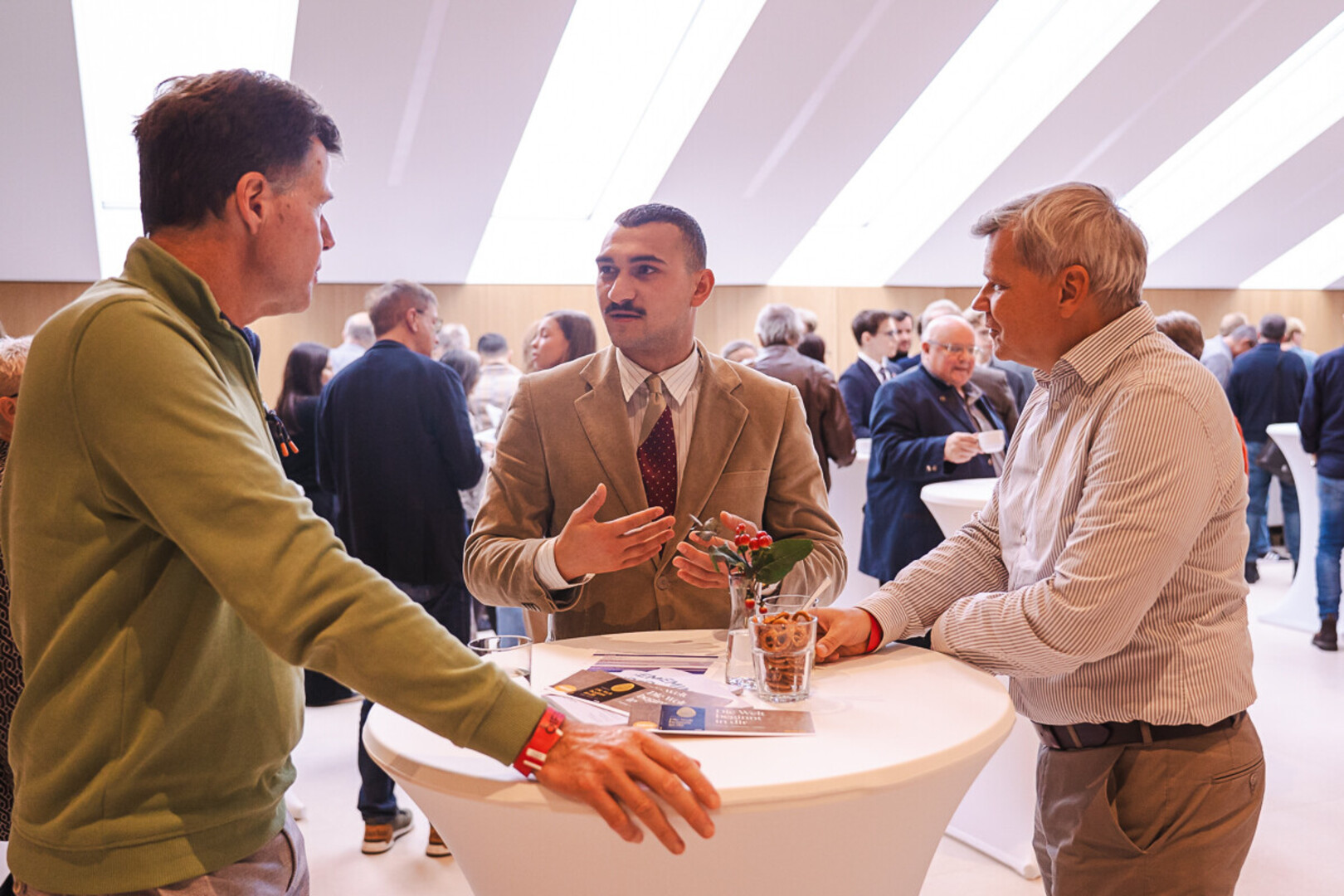
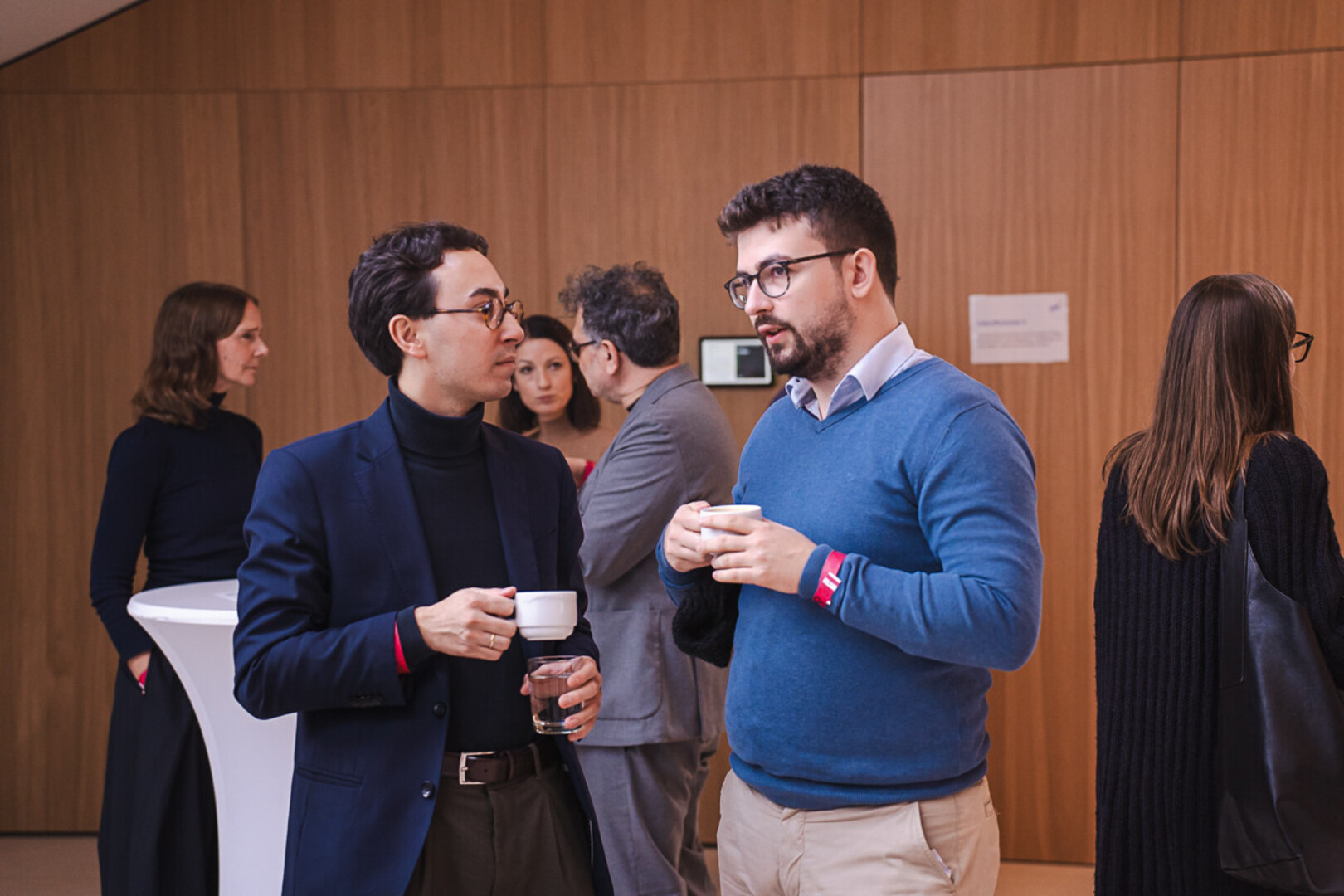

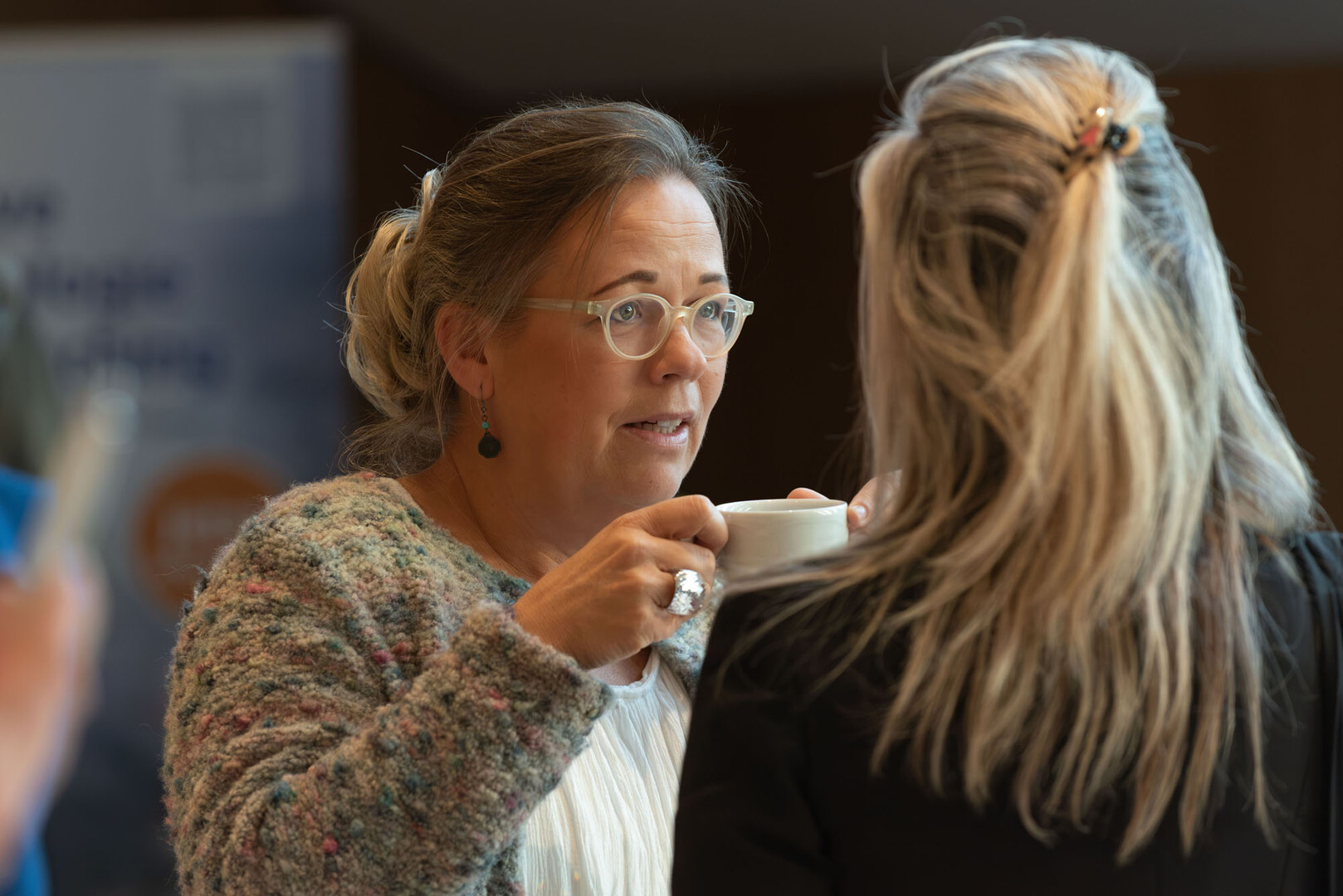
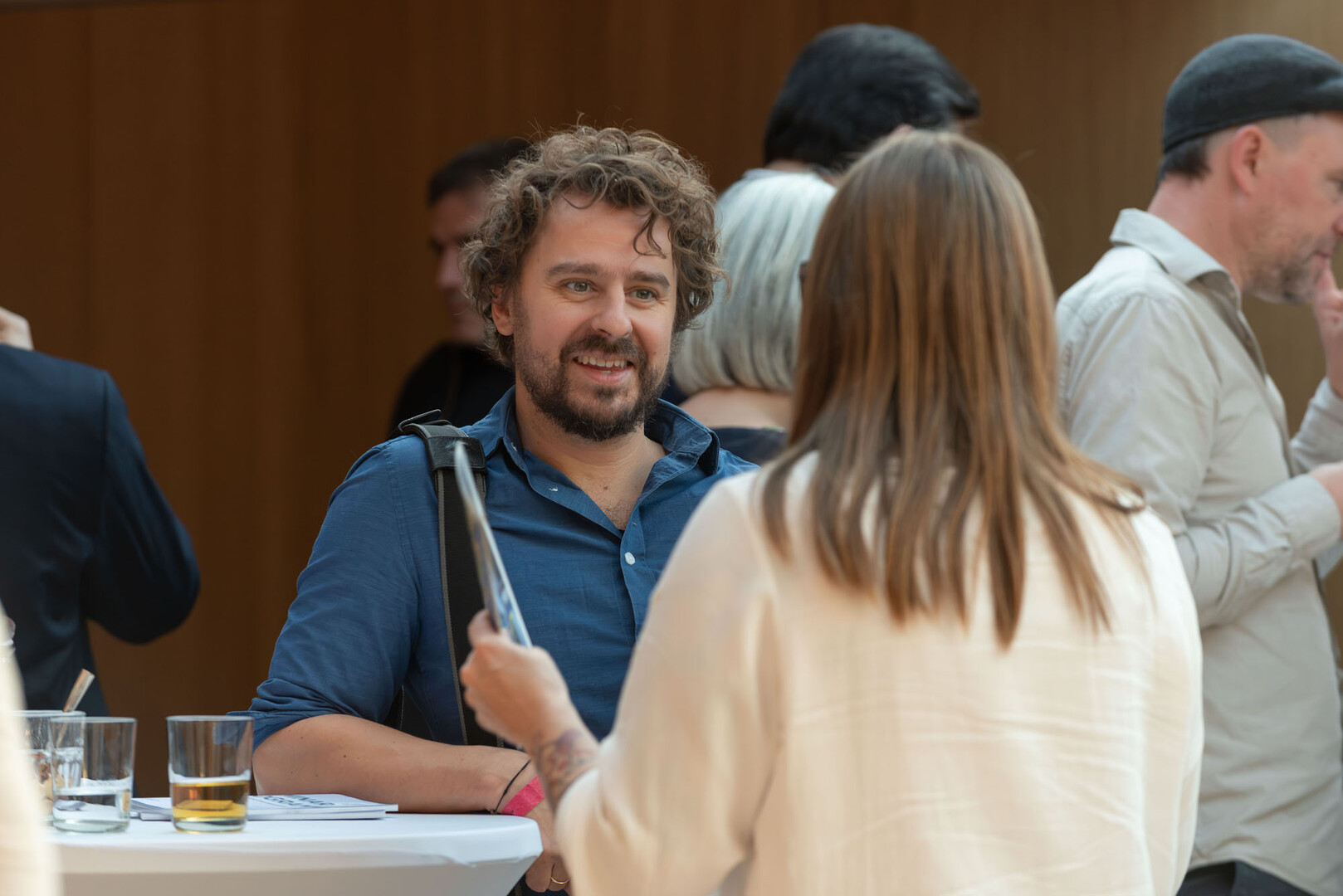
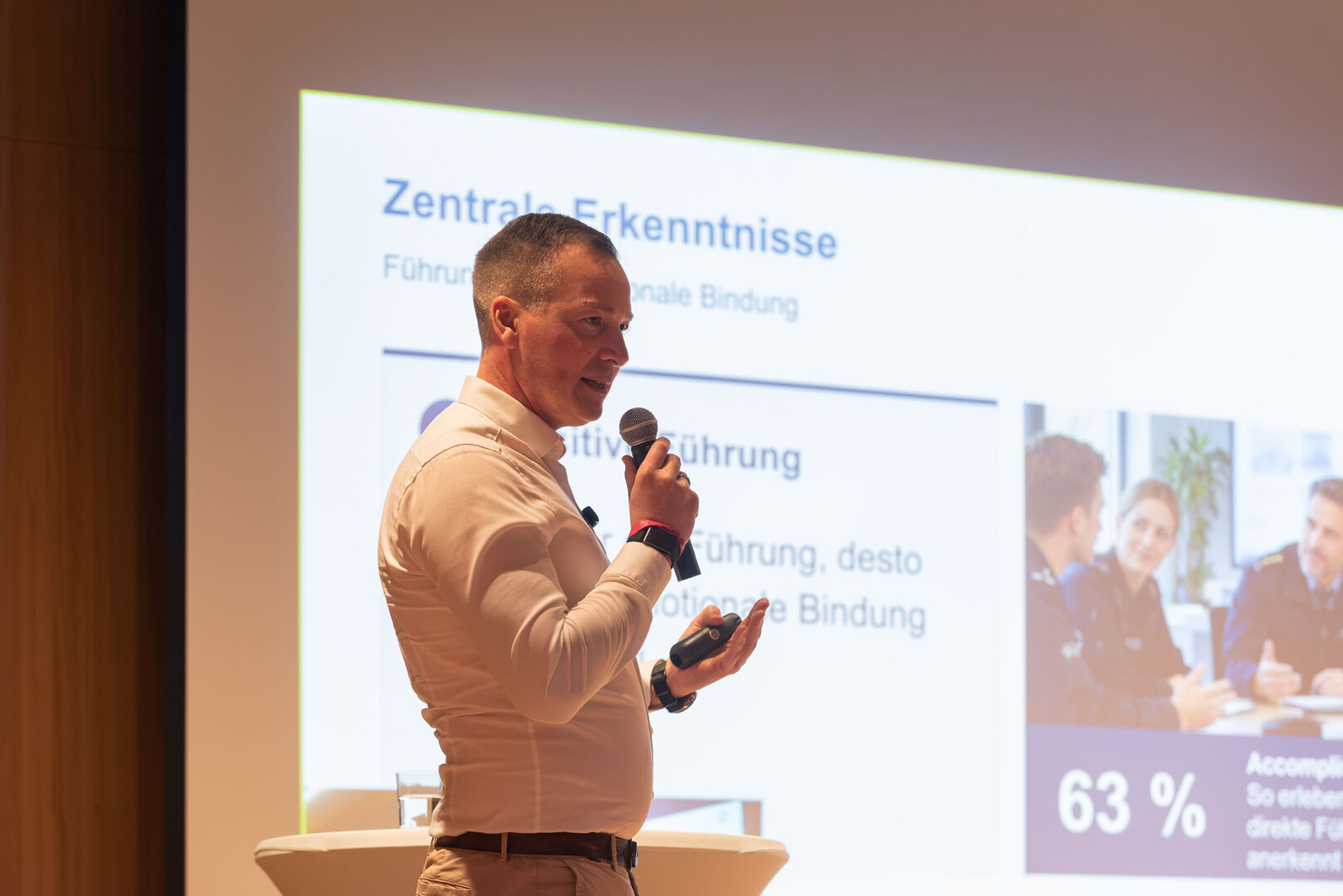
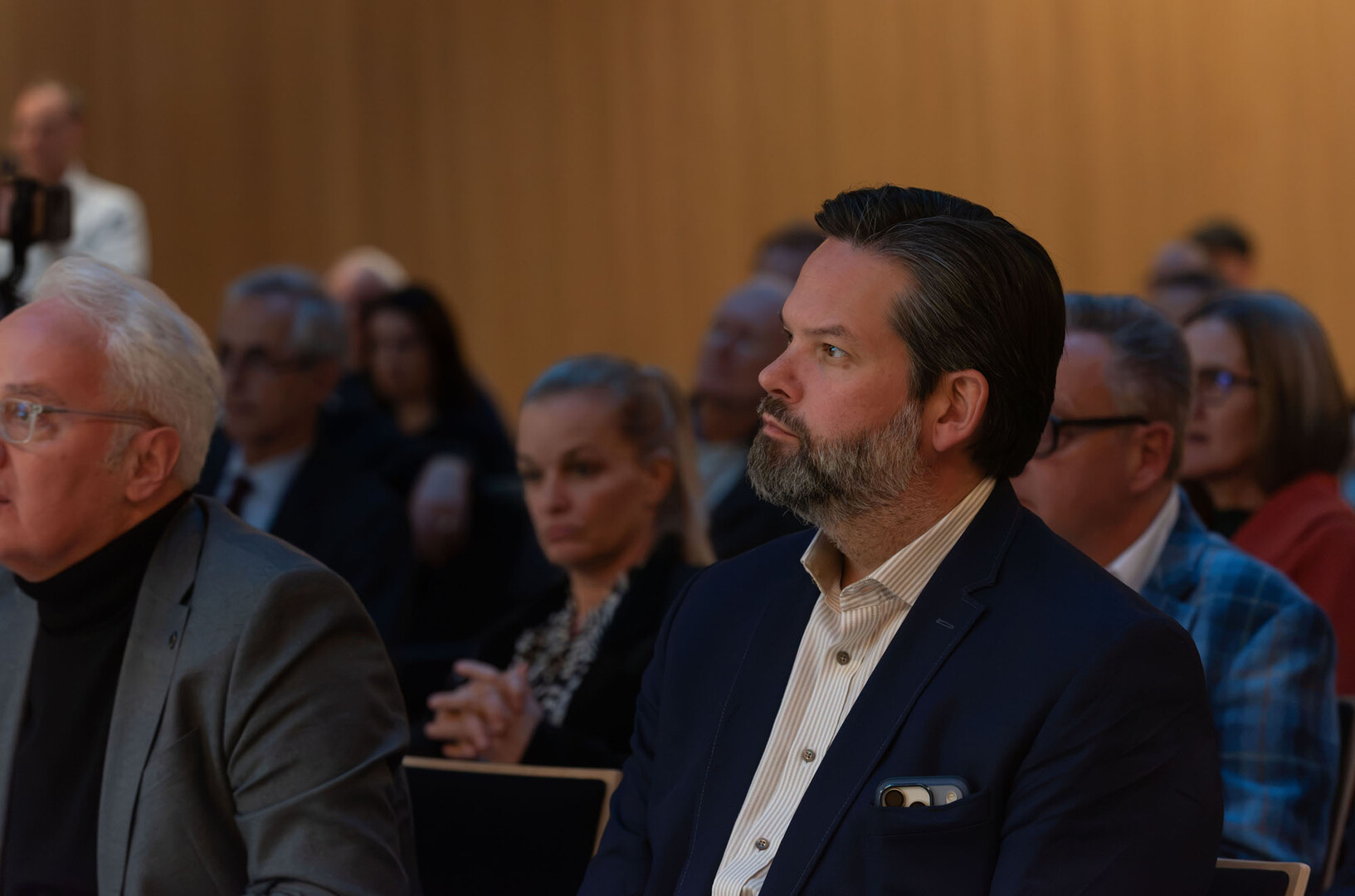
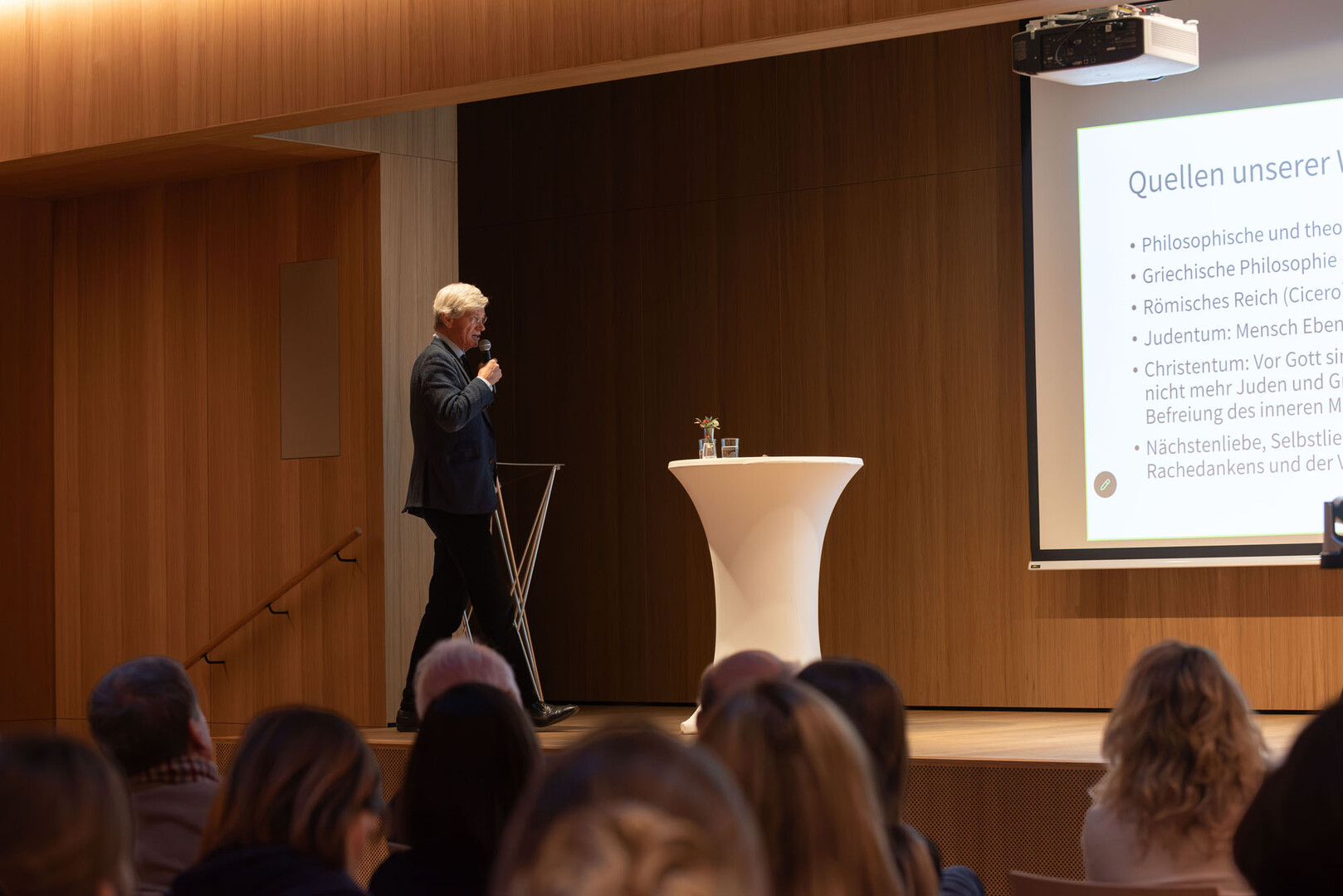
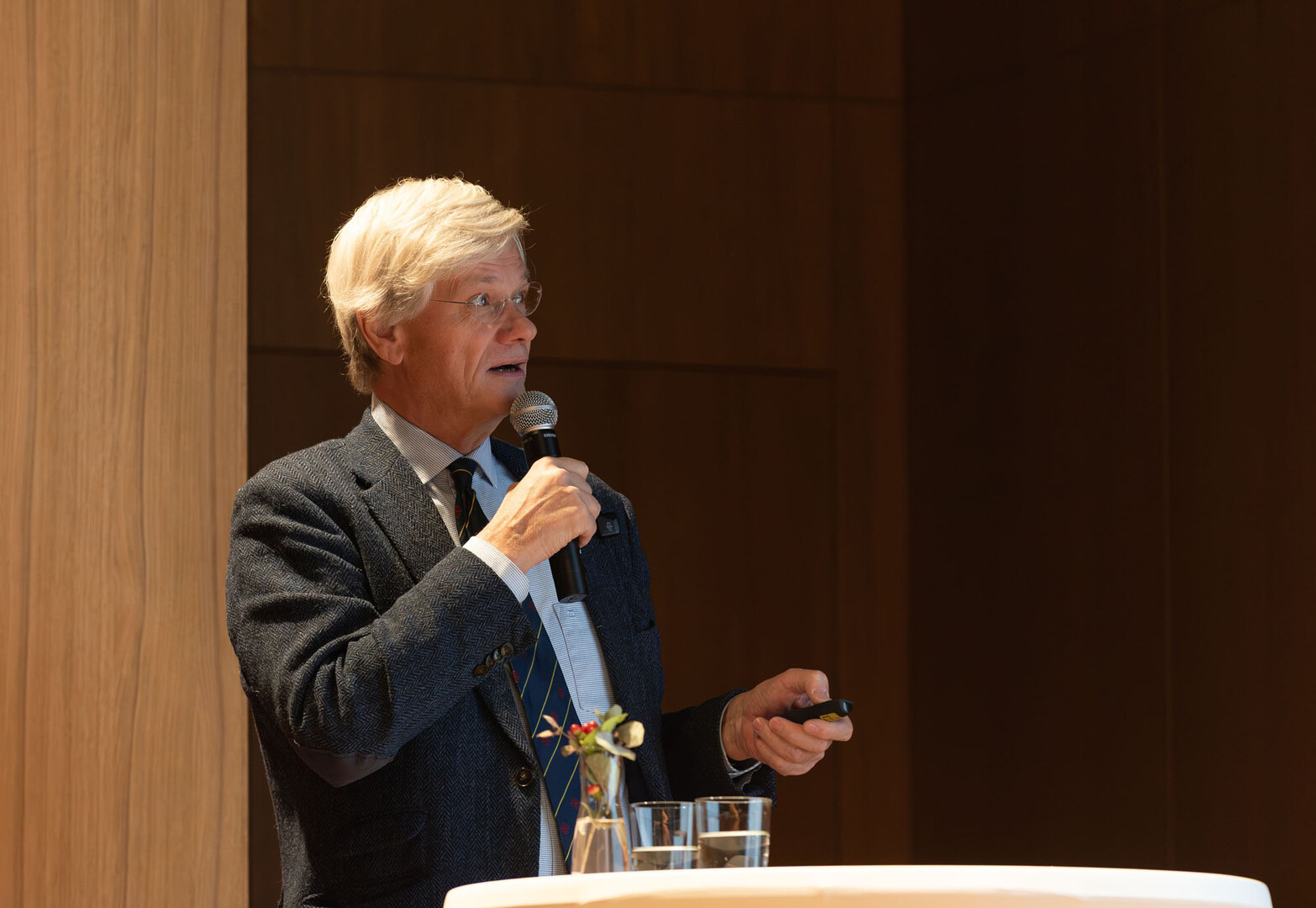

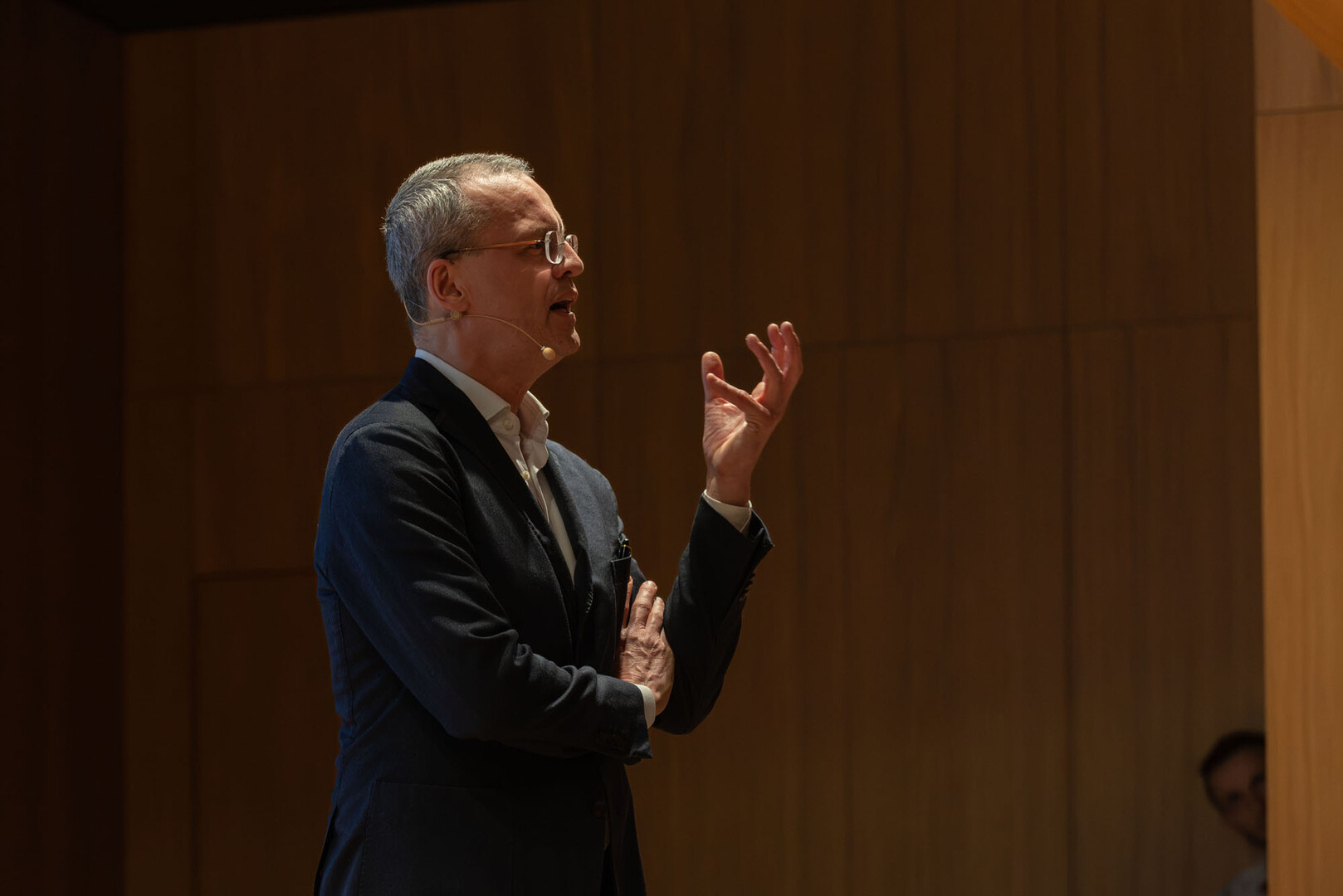
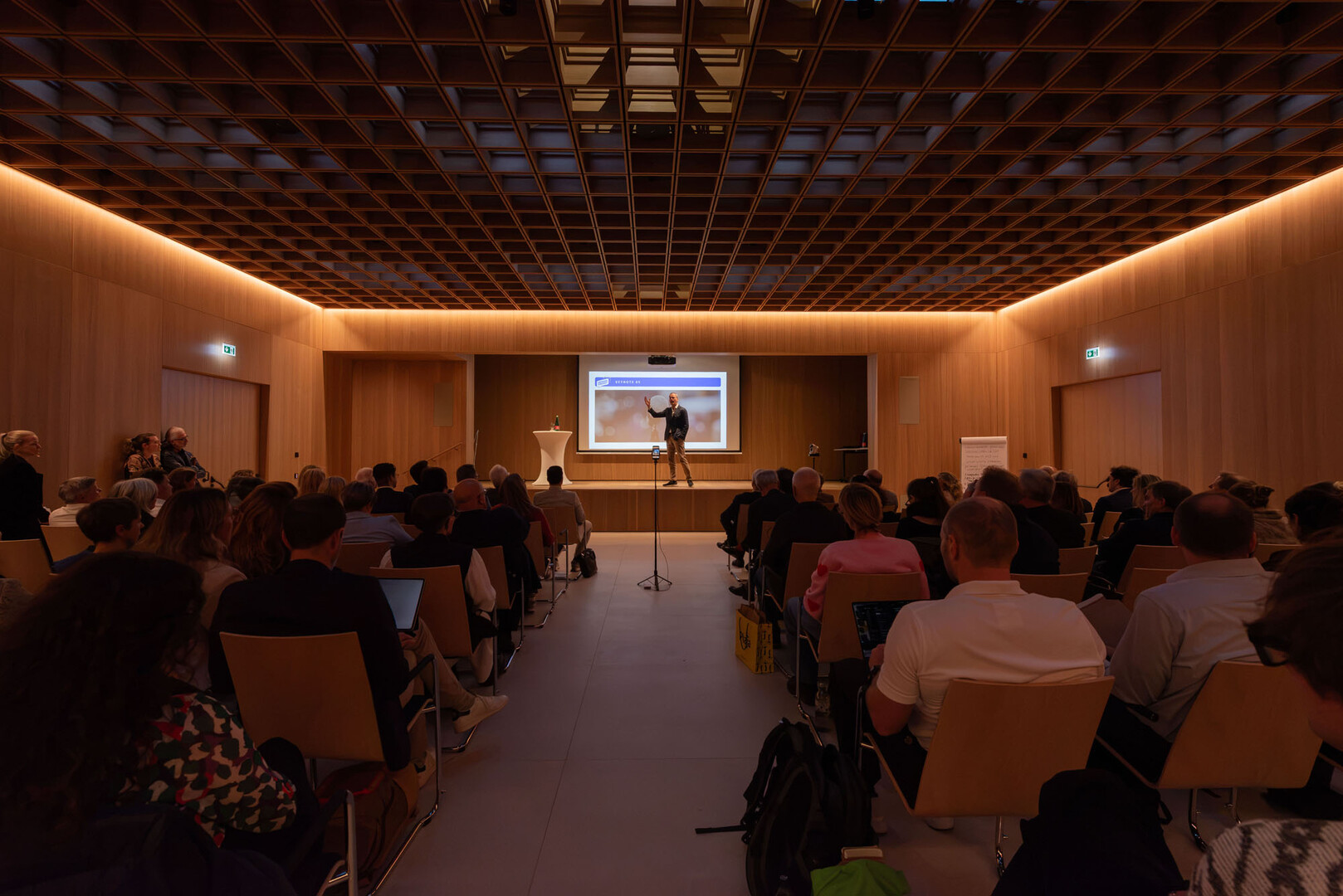
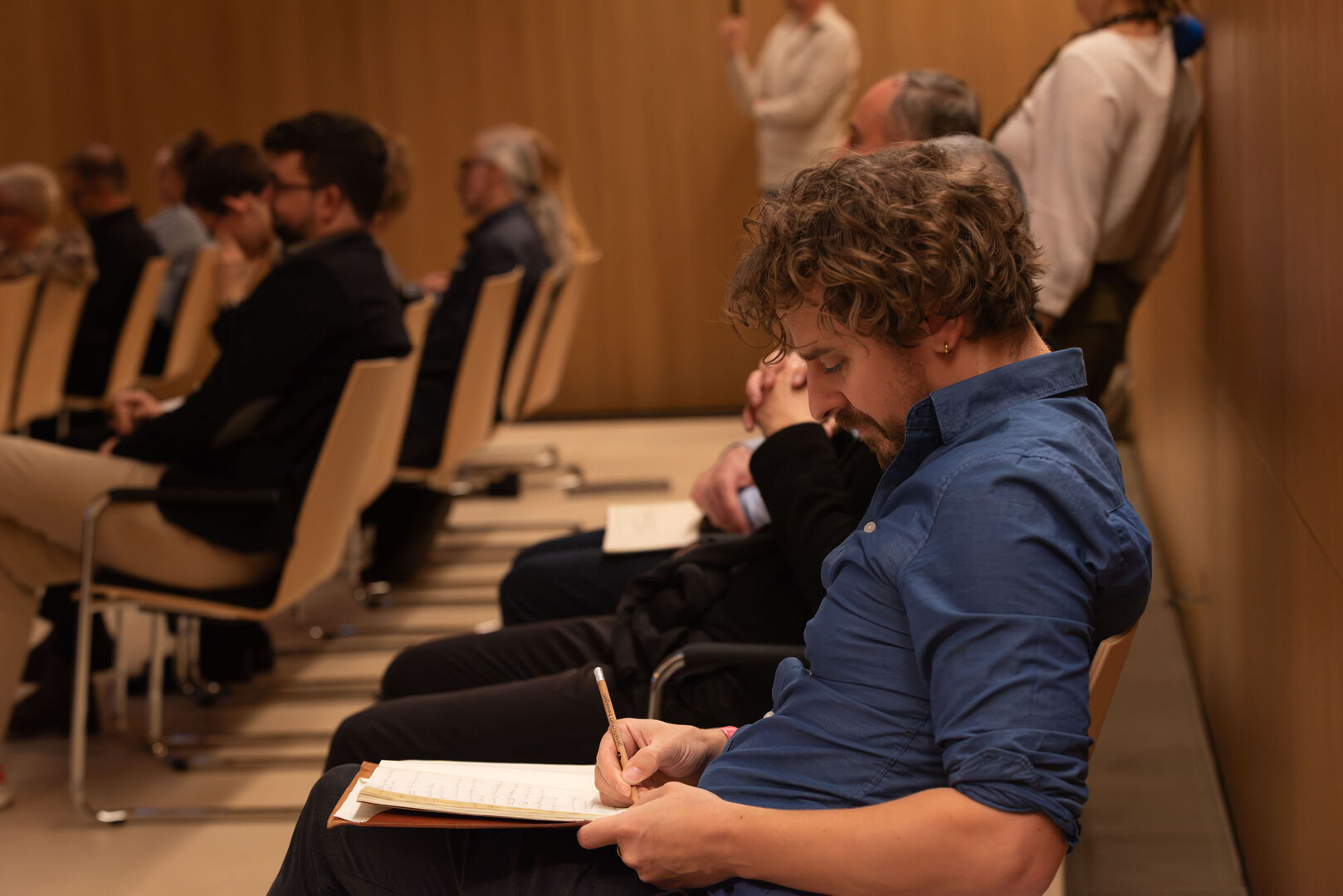
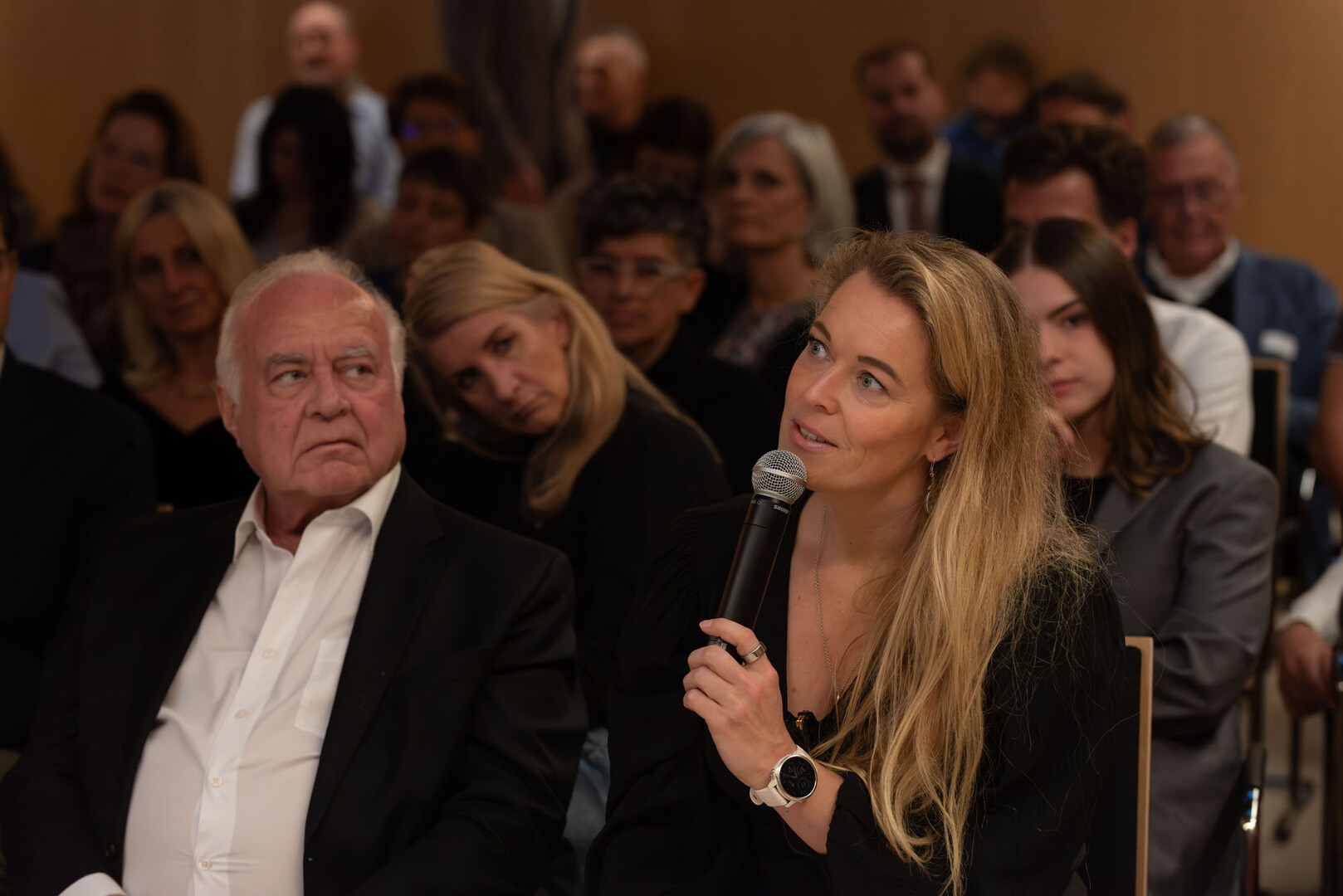
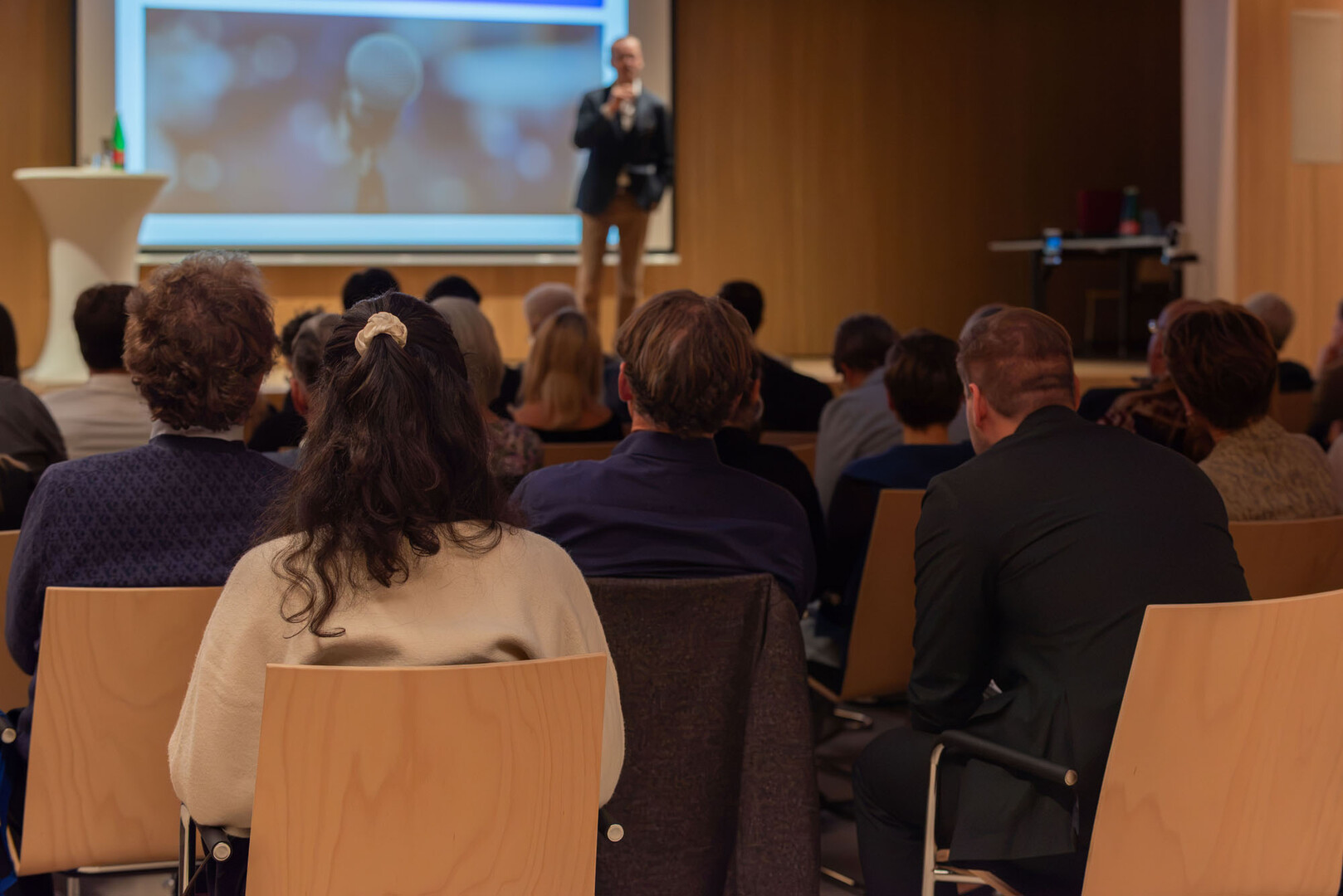
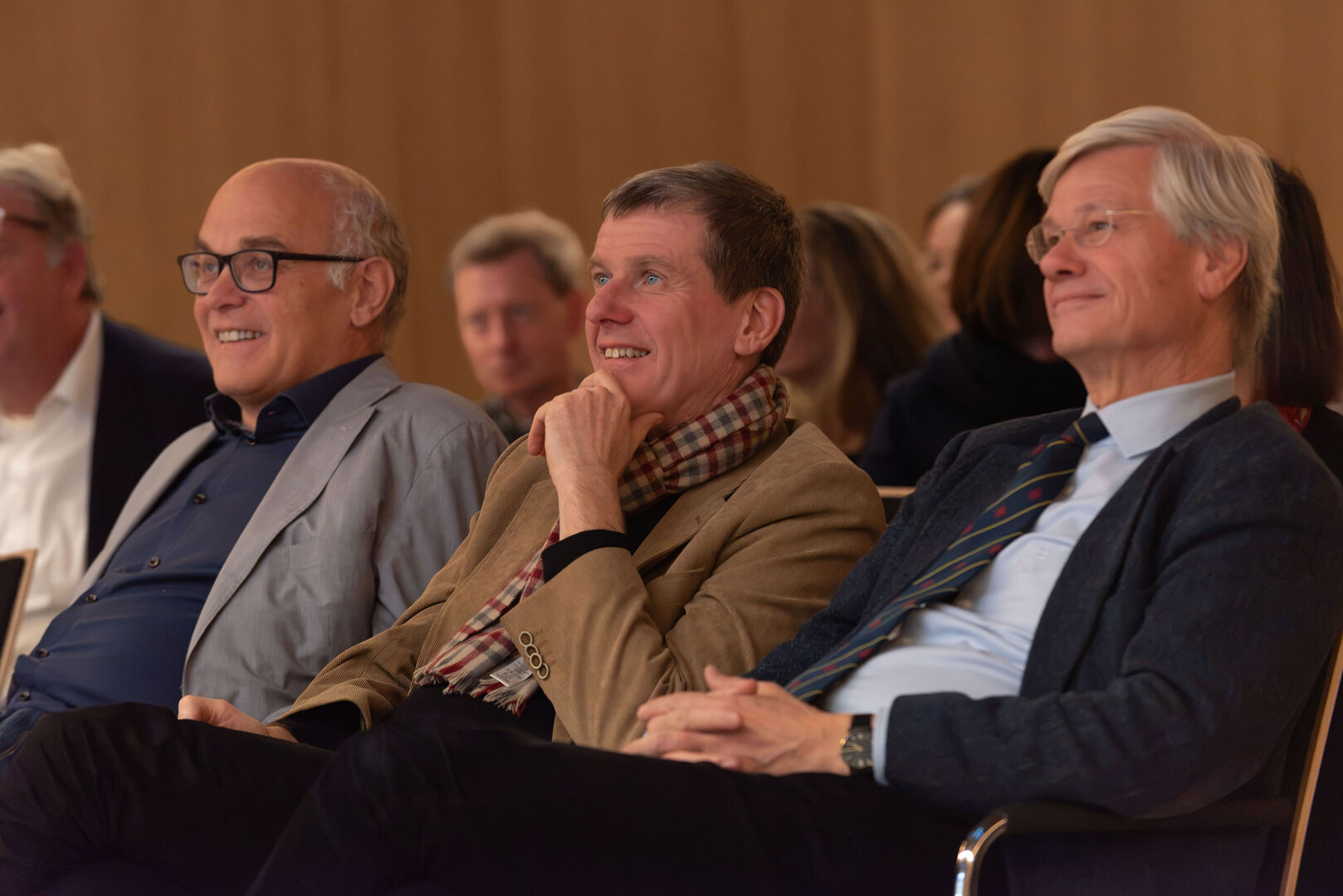
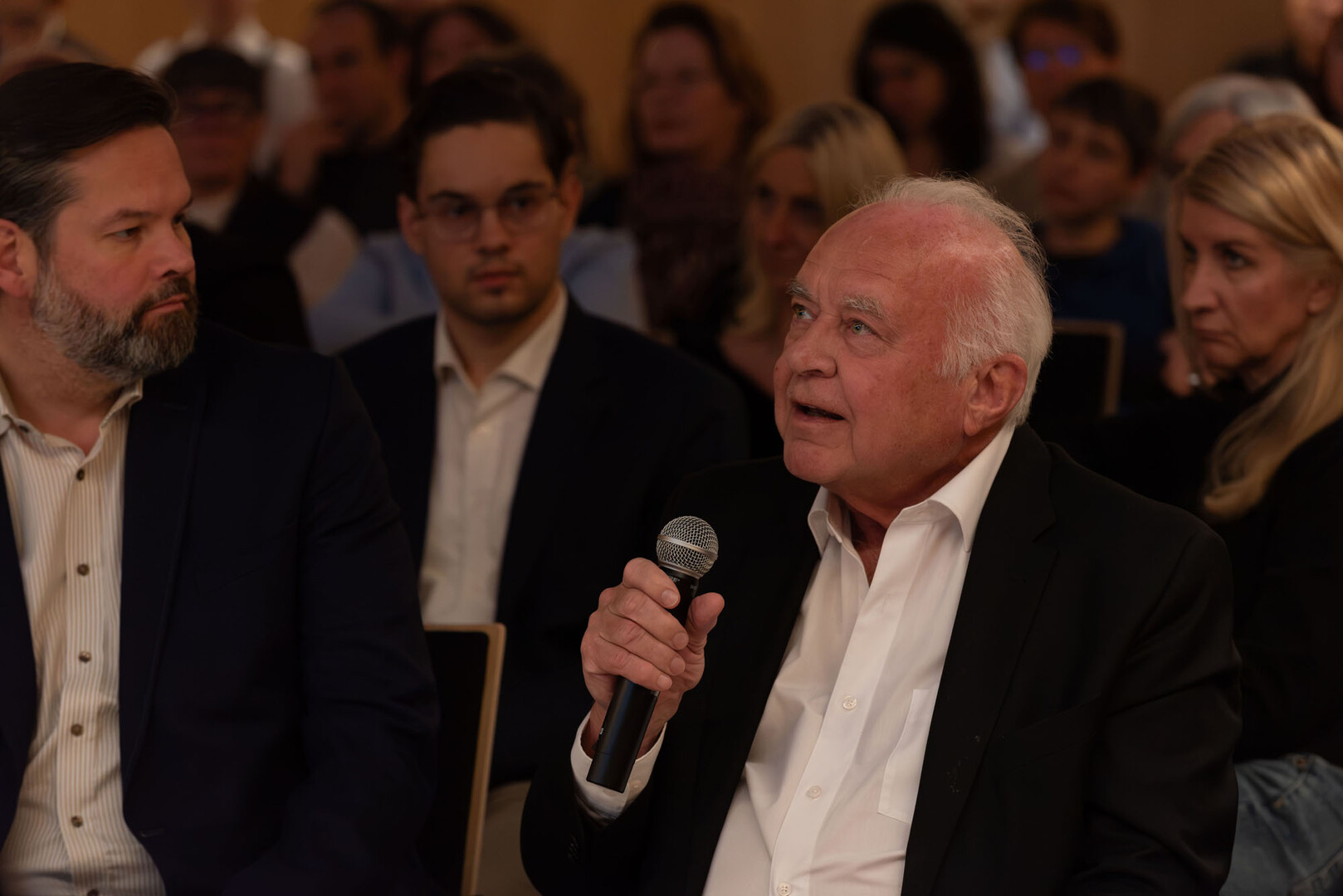
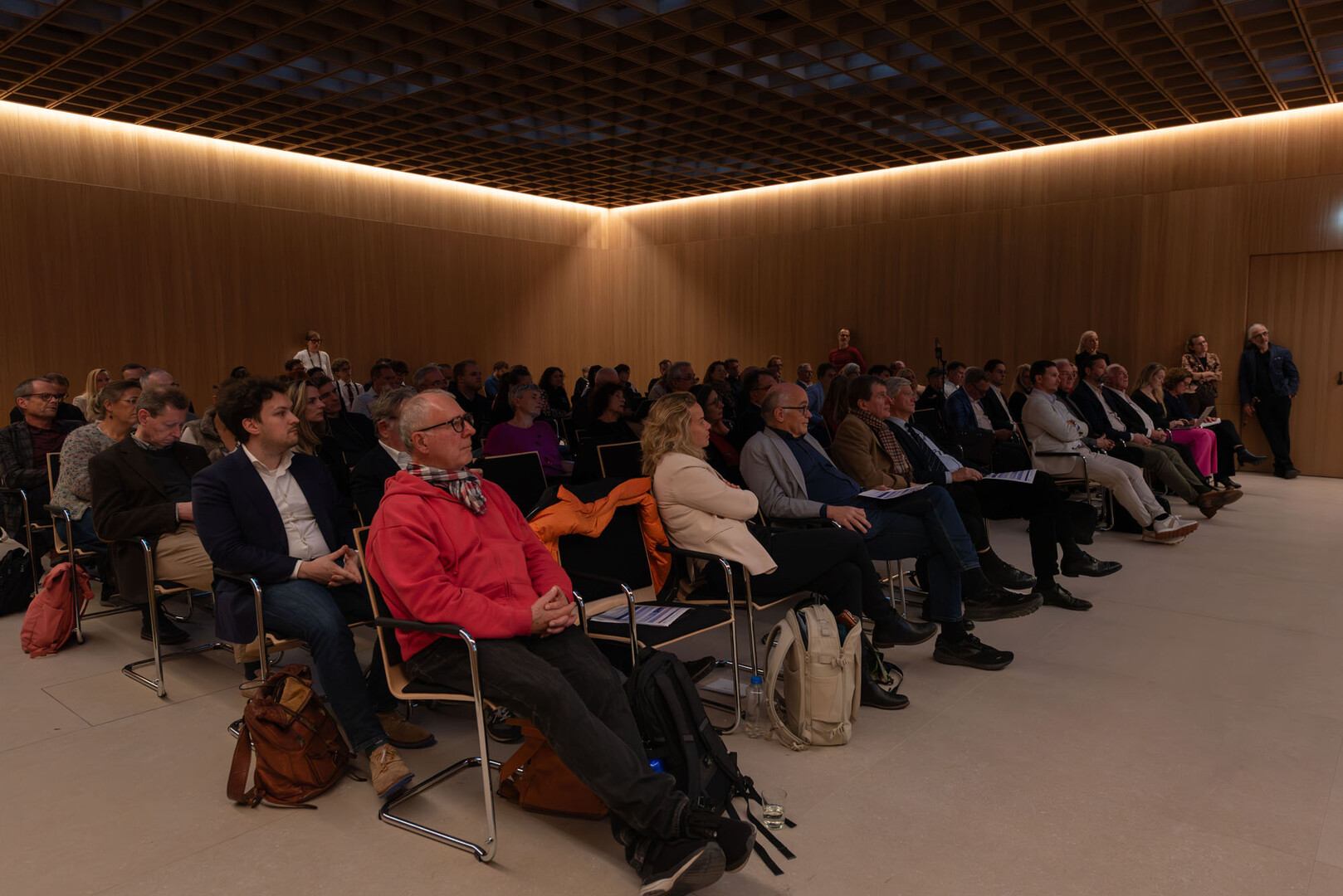
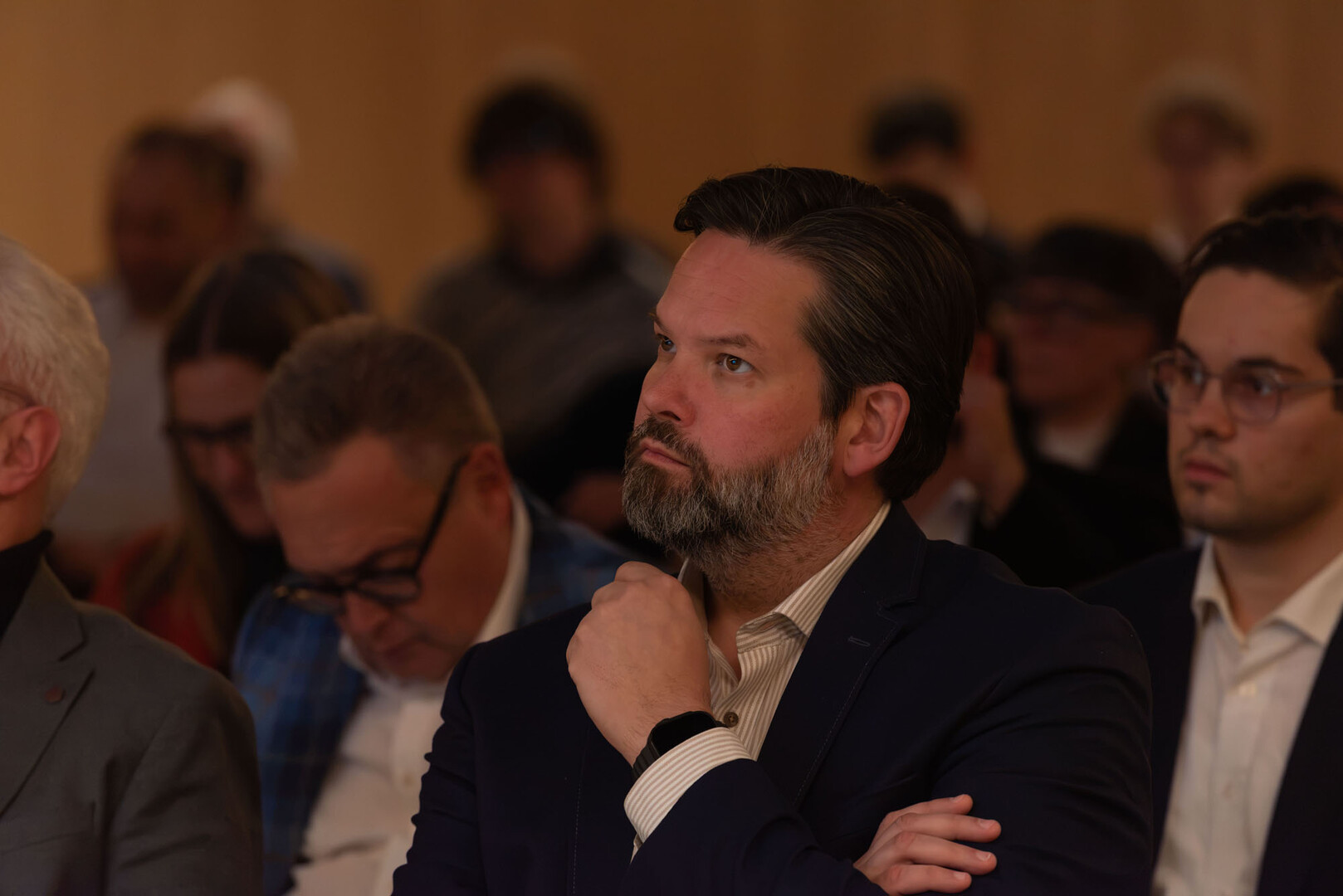
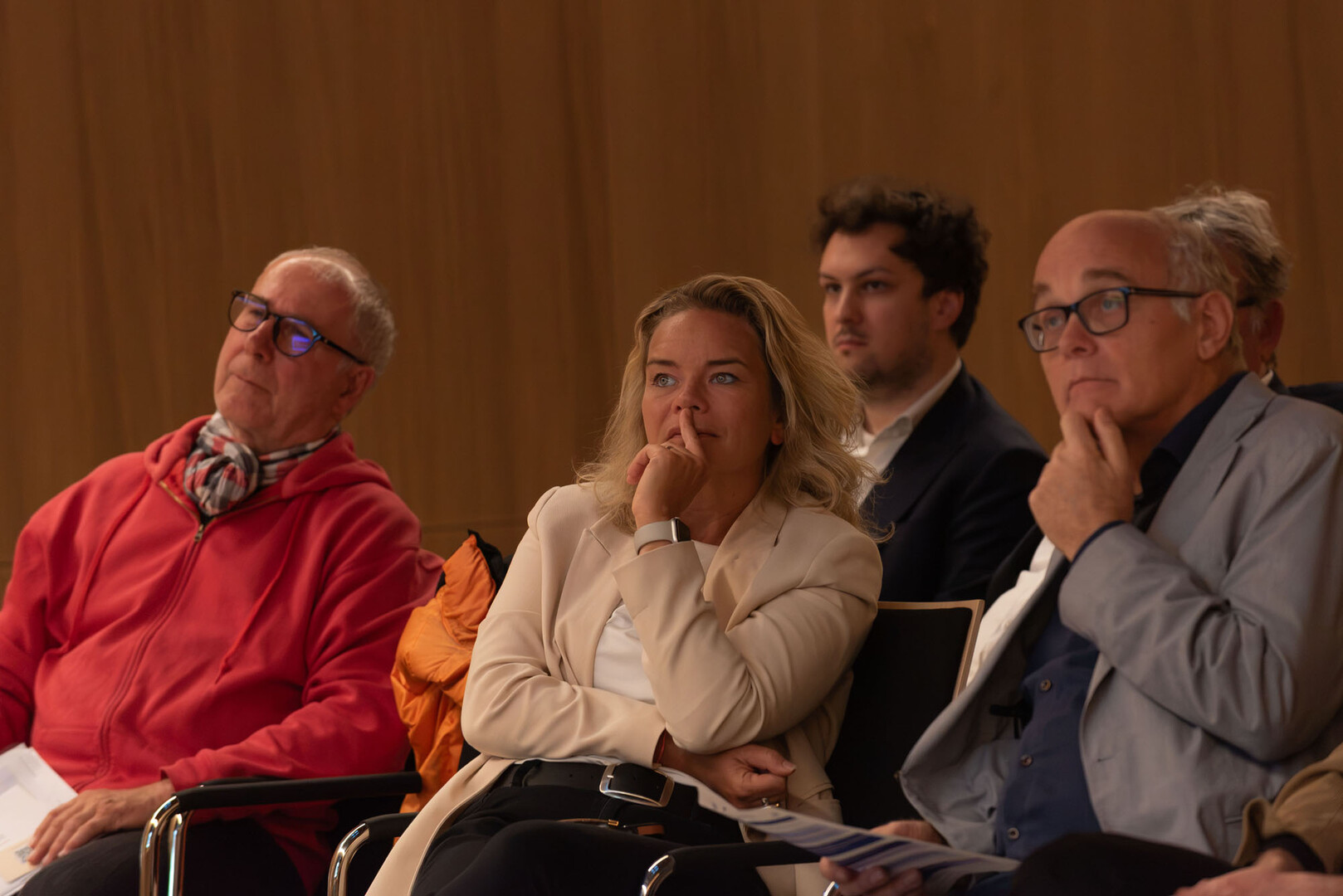
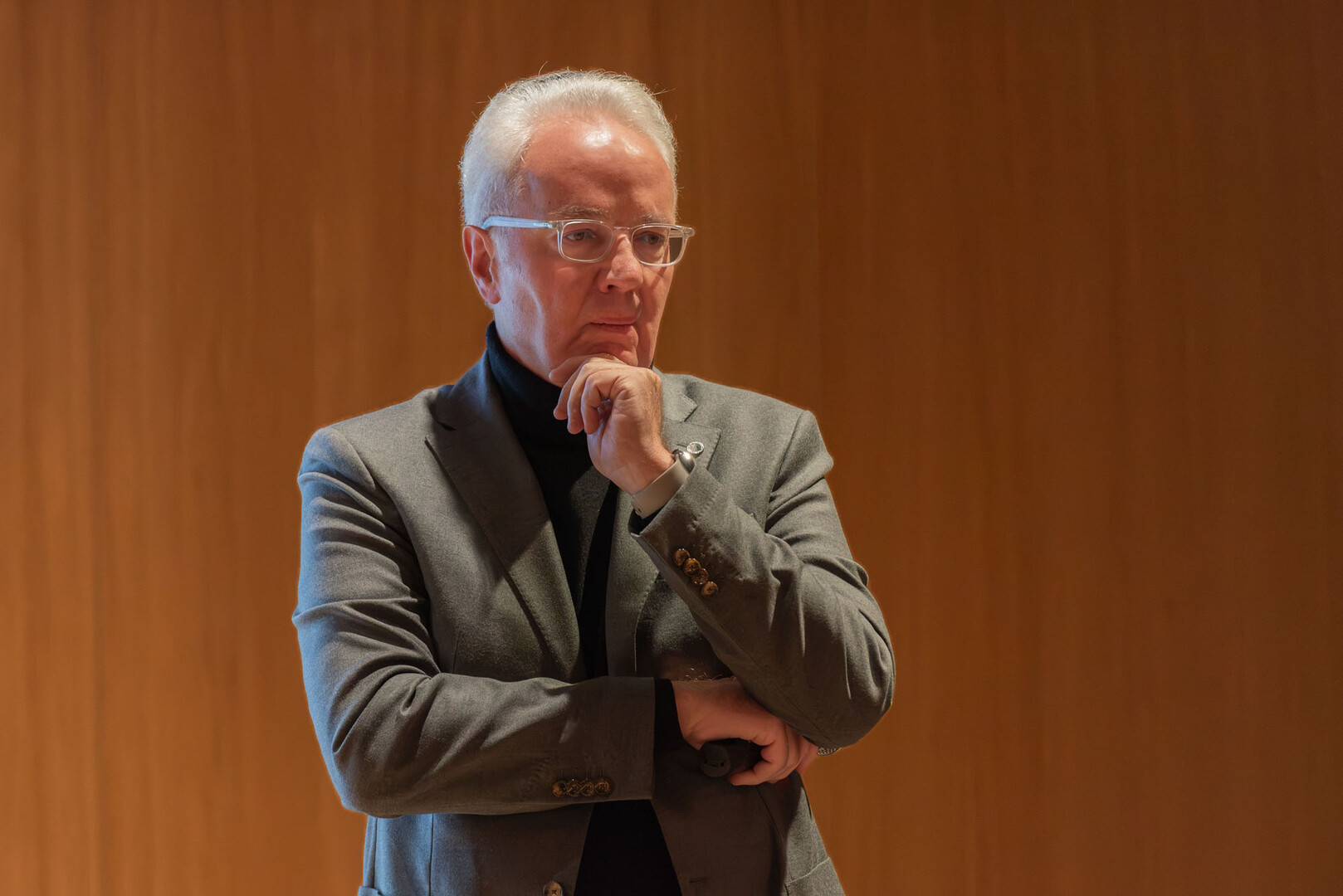
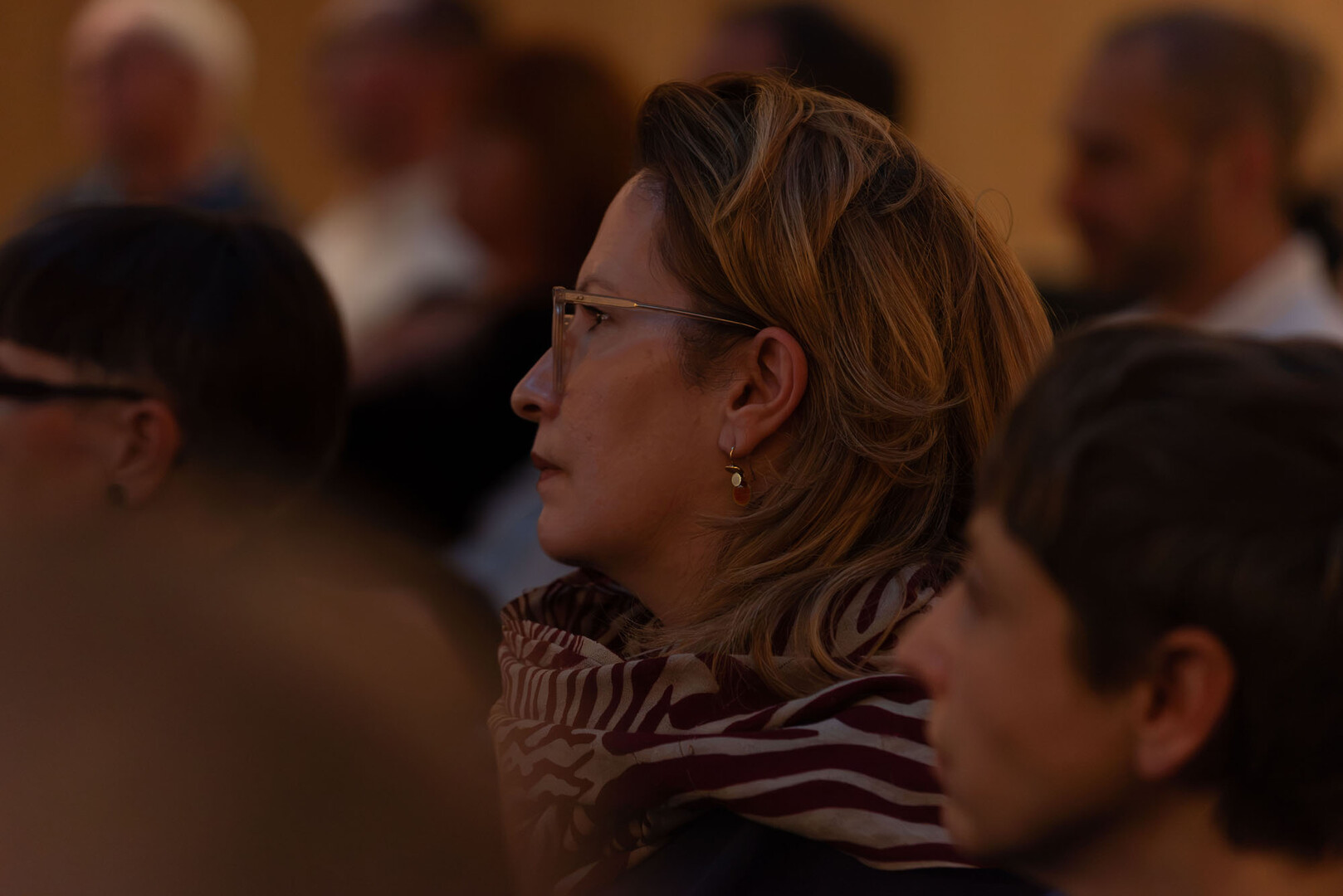

“We want to permeate our societies with democracy. People should naturally participate in shaping and deciding on issues where they live and where they care most,” said Wilhelm Sandrisser, chairman of the European initiative “Empowering Democracy – Shaping Democracy Positively,” regarding the shared vision agreed upon at the congress by participants from Austria, Germany, and Switzerland. Further discussions and cooperation on this vision, including with other initiatives, are planned.
International experts and practitioners lay the foundations for a future vision.
Coordinated by Claudia Weiss (Managing Director of Transaction Hamburg), who guides companies toward developing compelling future visions, the foundations for the Empowering Democracy vision were developed in collaboration with renowned futurologists Andreas Krafft (University of St. Gallen) and Jan Oliver Schwarz (Director of the Bavarian Foresight Institute), as well as practitioners from various fields. In her groundbreaking keynote address, Judith Mangelsdorf (Professor of Positive Psychology in Berlin) explained how our perspective on tomorrow determines our future direction.
“Young Voices Future Team” launched
Sandrisser stated that shaping the future by young people and people with a migration background is considered particularly important. Therefore, the "Young Voices Future Team" of Empowering Democracy was launched as part of the congress. This team is coordinated by Lina Gallei and Sophie Drescher, the two co-founders of SWIPZ – empowering young voices.
ÖIF contributed expertise in research and integration.
As part of the congress, Julia Rothbauer (Head of the Knowledge Management and International Team) also participated in a joint expert forum with Andrea Wiesner (University of Vienna) and Sarah Straub (Democracy Center Vienna). The focus was on the significance of scientific findings for the development of societal measures and opportunities for collaboration between research and practice.
The Austrian Integration Fund (ÖIF) also leads the "Generations and Integration" department within the "Empowering Democracy" initiative. A joint workshop on this topic took place at the Vienna Integration Center in April 2026. Edwin Schäffer (Head of the ÖIF's Office for Fundamental Issues) exchanged views with representatives of the initiative on intergenerational integration work, democratic education, and social cohesion.
Education, communication and social participation are the focus
The conference program included expert presentations, panel discussions, and interactive roundtables on various social issues. At the opening, young immigrants shared their personal experiences with democracy and their expectations regarding opportunities for civic participation. Other key topics included the importance of education, employment and teamwork, democratic policing, future-oriented communication, and European cooperation for strengthening democracy. Speakers included Tania Singer (neuroscientist), Alexandra Dorndorf (Chief of Police of Münster), Gerald Karner (military strategist and management consultant), and Bernhard Pörksen (communication scientist).
A particular focus was placed on developing shared future perspectives. In five thematic working groups, so-called future clusters, the participants explored a positive vision for the year 2035 and cross-border measures for 2027 and 2028. The topics ranged from European values and human rights to education and digitalization, democratic policing and positive leadership, as well as intergenerational coexistence and integration.
New ÖIF location as a place for encounters and exchange
With the Old Main Customs Office, the Austrian Integration Fund (ÖIF), guided by the principle "A House for Austria," is creating a central hub for social exchange. Four existing Viennese locations will be consolidated under one roof, bringing together services for learning German, values education, counseling, and career entry. At the same time, the ÖIF is opening the building to the public: conferences, seminars, public discussions, and other events will provide a space for encounters and for addressing issues of integration and social cohesion.