About Cookies

This website uses cookies. Those have two functions: On the one hand they are providing basic functionality for this website. On the other hand they allow us to improve our content for you by saving and analyzing anonymized user data. You can redraw your consent to using these cookies at any time. Find more information regarding cookies on our Data Protection Declaration and regarding us on the Imprint.

These cookies are needed for a smooth operation of our website.

Name Purpose Lifetime Type Provider
CookieConsent Saves your consent to using cookies. 1 year HTML Website
fe_typo_user Assigns your browser to a session on the server. session HTTP Website

Name Purpose Lifetime Type Provider
GoogleMaps Is used to connect to Google Maps and to display those maps. none Connection Google

With the help of these cookies we strive to improve our offer for our users. By means of anonymized data of website users we can optimize the user flow. This enables us to improve ads and website content.

Name Purpose Lifetime Type Provider
_pk_id Used to store a few details about the user such as the unique visitor ID. 13 months HTML Matomo
_pk_ref Used to store the attribution information, the referrer initially used to visit the website. 6 months HTML Matomo
_pk_ses Short lived cookie used to temporarily store data for the visit. 30 minutes HTML Matomo
_pk_cvar Short lived cookie used to temporarily store data for the visit. 30 minutes HTML Matomo
_pk_hsr Short lived cookie used to temporarily store data for the visit. 30 minutes HTML Matomo
Automatically translated with AI

This page was automatically translated using AI and serves as an additional aid and service. For legally binding content, please use the German page.

Islamism and digital radicalization: ÖIF conference in Bregenz highlights current developments

Experts from research and practice on Islamist extremism, digital radicalization and approaches to prevention work

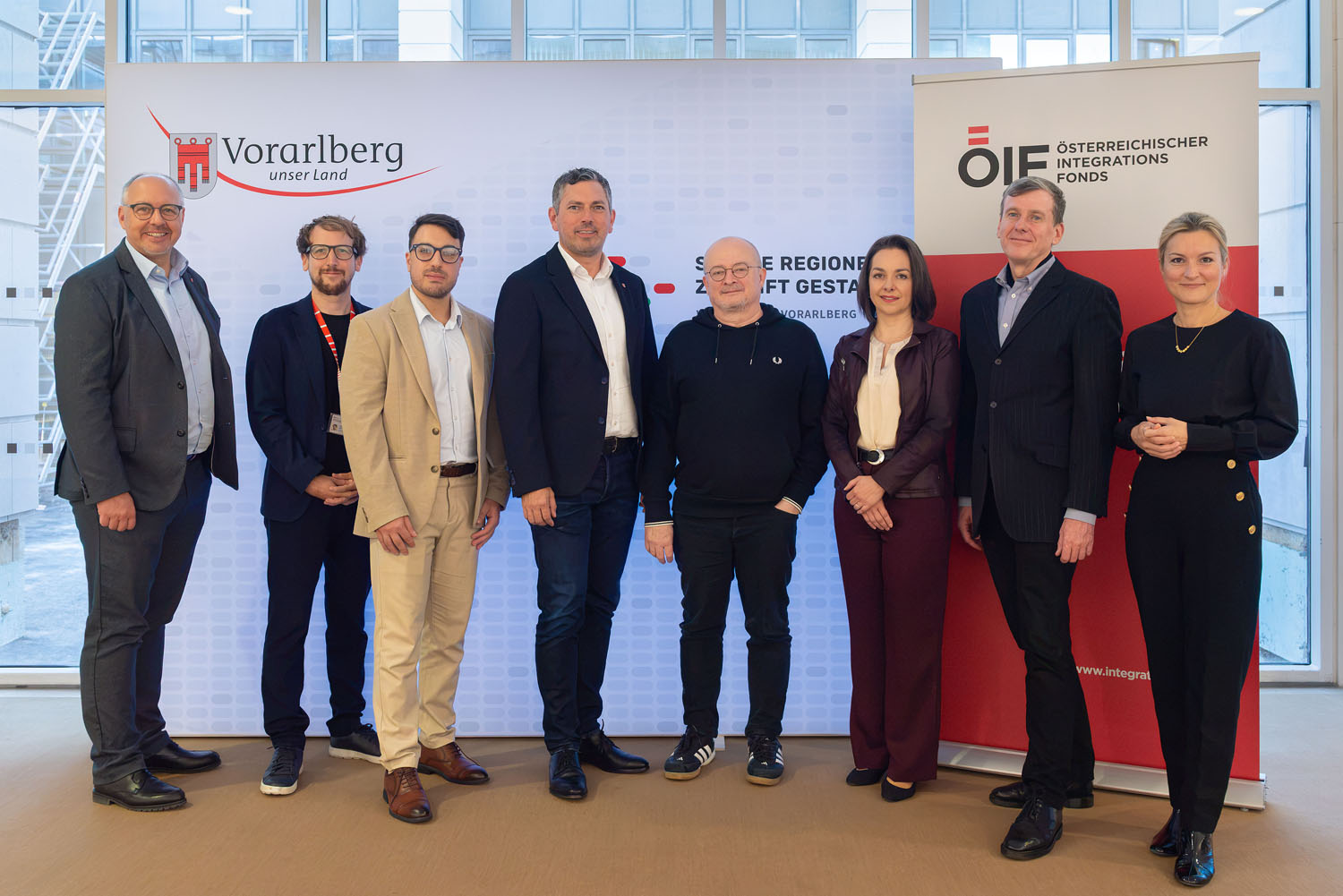
From left to right: State Parliament Member Joachim Fritz, Patrick Kirschenhofer (Head of the Vorarlberg Integration Center), Hamzeh Laila (Head of Measures for Men), State Councillor Markus Klien, Bernhard Heinzlmaier (Chairman of the Institute for Youth Culture Research), Lisa Fellhofer (Director of the Documentation Center for Political Islam), Edwin Schäffer (Head of the Office for Fundamental Issues) and Sandra Ivkic-Hehenberger (Overall Head of Integration Centers).

Social media, messaging services, and digital platforms are playing an increasingly important role in the dissemination of extremist content. New forms of communication and networking pose particular challenges to prevention efforts, especially regarding the radicalization of young people. Current developments in Islamist extremism and approaches to prevention work were therefore the focus of the conference "Islamism – Currents and Developments" organized by the Austrian Integration Fund (ÖIF) on October 12, 2026, at the Vorarlberg State Parliament building in Bregenz. State Councillor Markus Klien opened the event.

Markus Klien, State Councillor for Integration:

“Extremist propaganda no longer reaches young people solely on the street, but primarily through social media and messaging services. Often unnoticed by parents and teachers. This is precisely why it is crucial that we closely monitor developments in Islamist extremism and continuously adapt our prevention efforts to new digital realities. The ÖIF's conference provides us with valuable insights from research and practice. Vorarlberg focuses on early information, education, and strong networks between schools, counseling centers, and authorities to prevent radicalization from developing in the first place.”

Patrick Kirschenhofer, head of the ÖIF Integration Centre Vorarlberg:

"Integration means that people learn German, work, and respect our shared values and rules. We support them in this every day. At the same time, schools, communities, youth organizations, and many other institutions in Vorarlberg are doing important work. With events like this, we want to promote exchange, learn from each other, and respond even better together to current challenges."

Digital networks and new forms of extremist propaganda

Experts from research and practice examined current trends in Islamist extremism and the dynamics of radicalization among young people. A key focus was the role of social media and digital platforms in the dissemination of extremist content. The use of artificial intelligence for extremist propaganda was also addressed. Lisa Fellhofer, Director of the Documentation Center for Political Islam, began by providing an overview of current developments. Bernhard Heinzlmaier, Chairman of the Institute for Youth Culture Research, focused on the influence of social media on young people and the associated challenges.

In another presentation, Fellhofer examined current trends and developments in religiously motivated political extremism. Hamzeh Laila from the Austrian Integration Fund then provided insights into the work of the support center for men. Based on their counseling practice, he demonstrated how early information and guidance on topics such as gender roles, family, and cohabitation can contribute to prevention efforts.
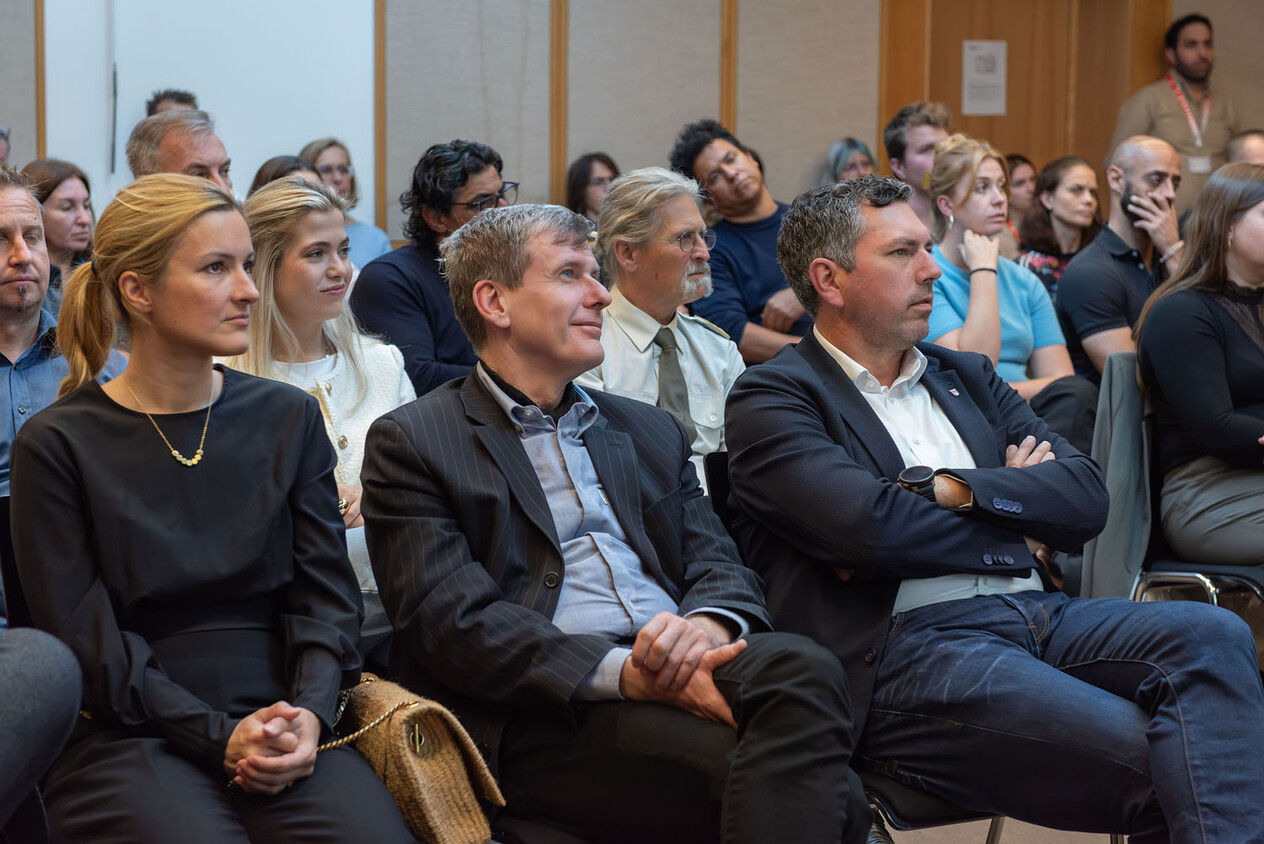
From left to right: Sandra Ivkic-Hehenberger (ÖIF), Provincial Councillor for Integration Markus Klien and Edwin Schäffer (ÖIF). In the background: Participants of the specialist event “Islamism – Currents and Developments”.

About the ÖIF seminar program

How should one respond to extremist attitudes in the classroom or seminar room? What approaches do experts in extremism prevention recommend? And how can teachers in German courses prepare themselves for current challenges in the classroom? The more than 70 professional development courses offered by the ÖIF seminar program provide answers to these questions. The program is aimed at anyone who deals with integration in their daily or professional life – for example, educators, German course teachers, healthcare professionals, or representatives of authorities, municipalities, and companies. Further information is available at www.integrationsfonds.at/seminare .