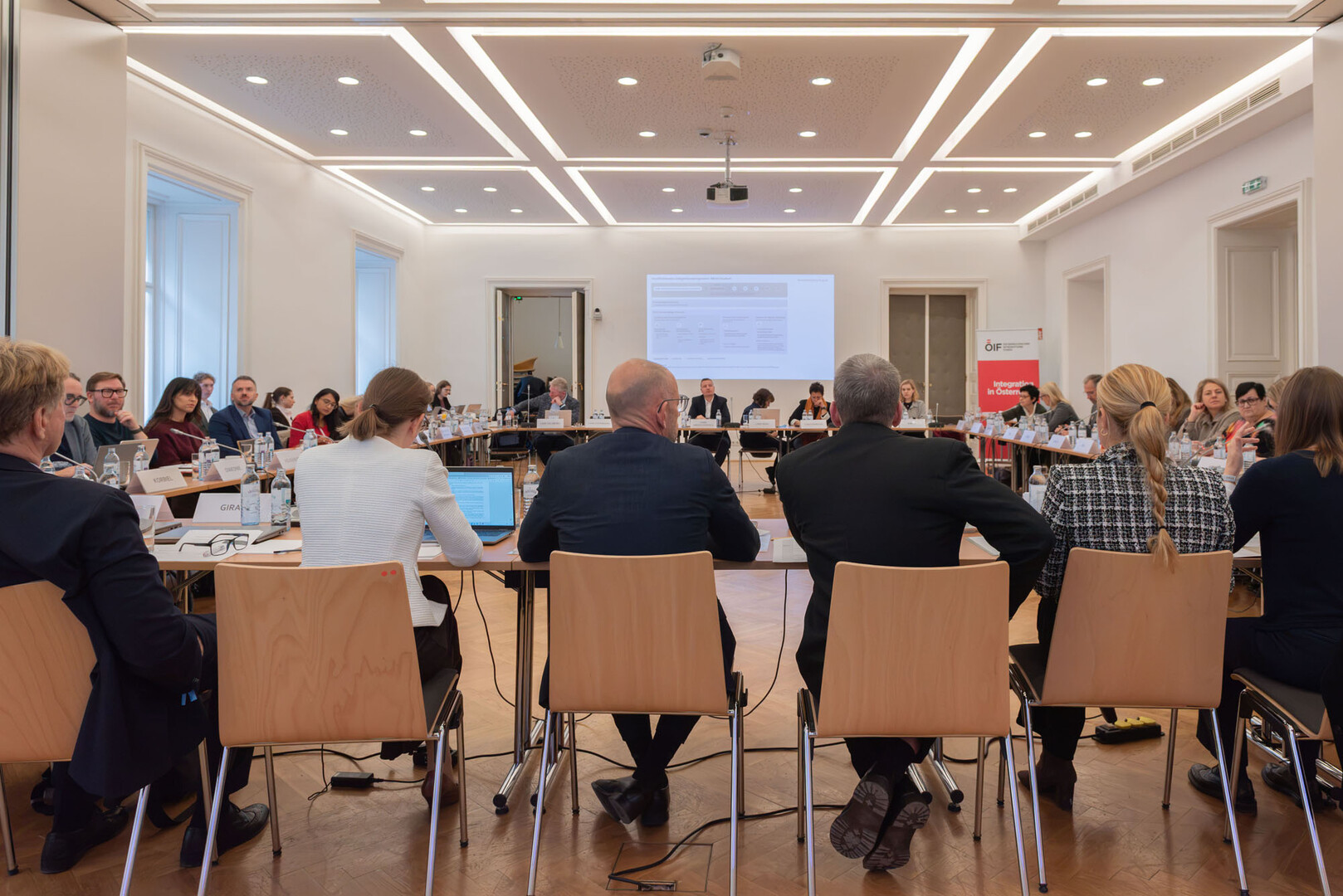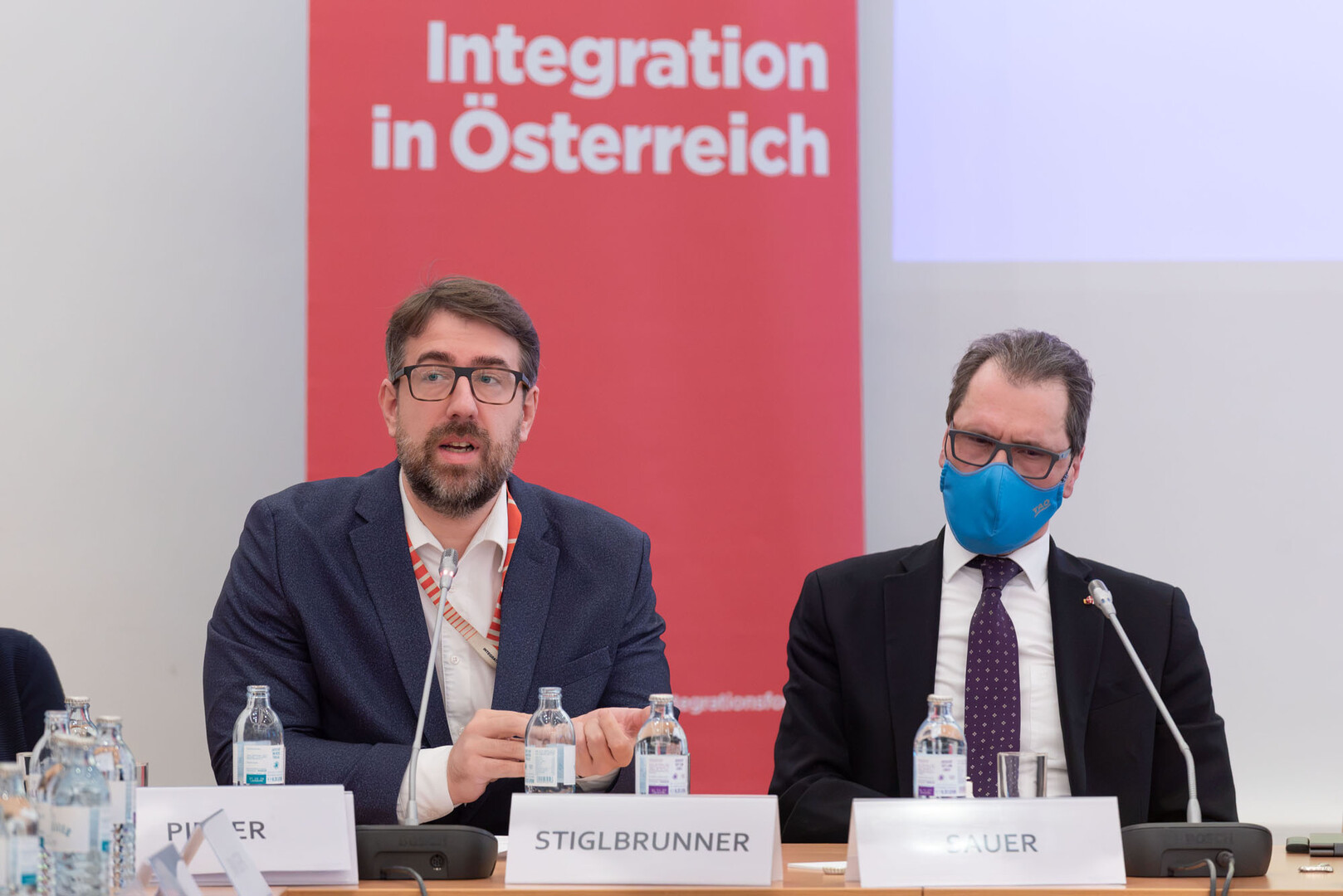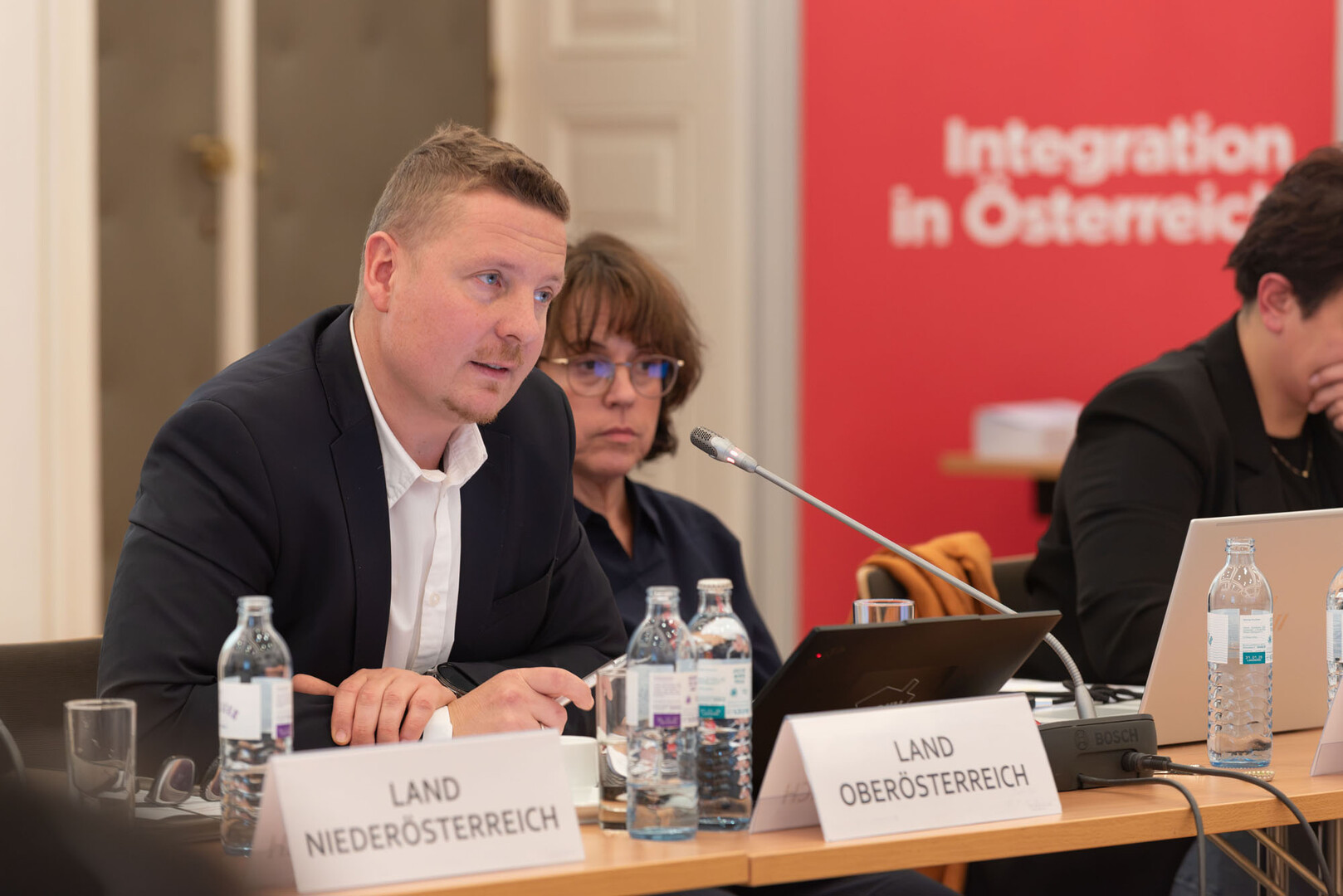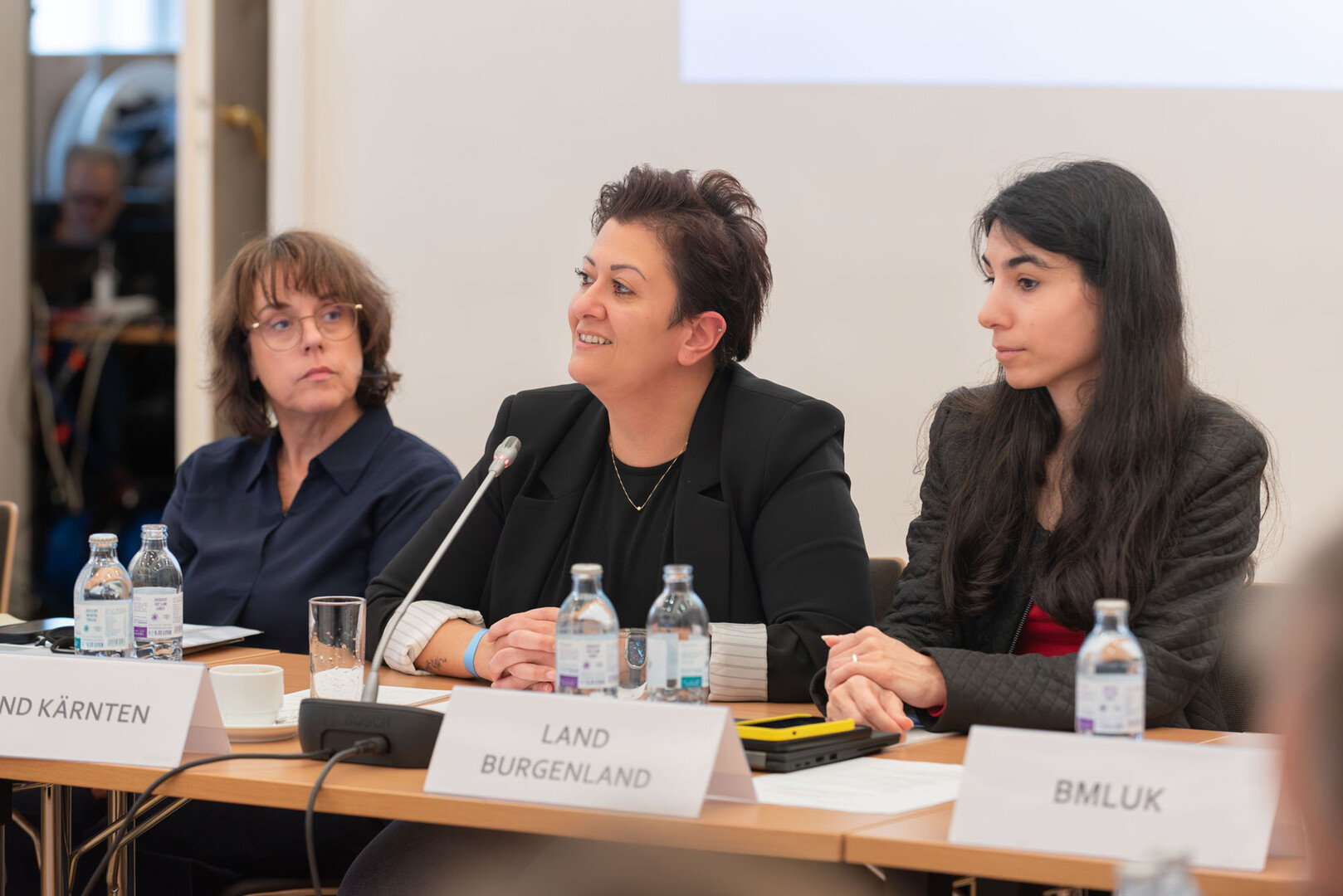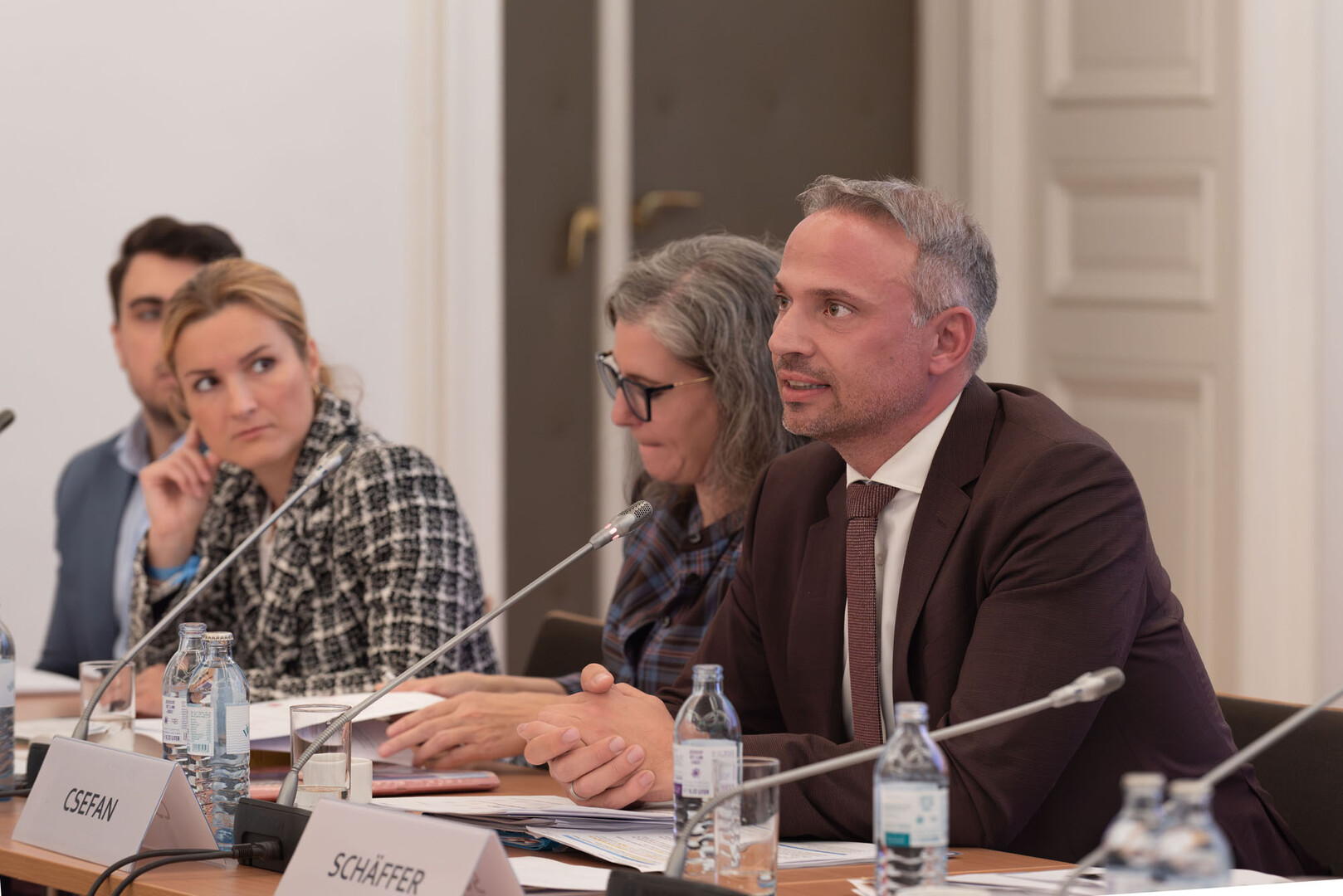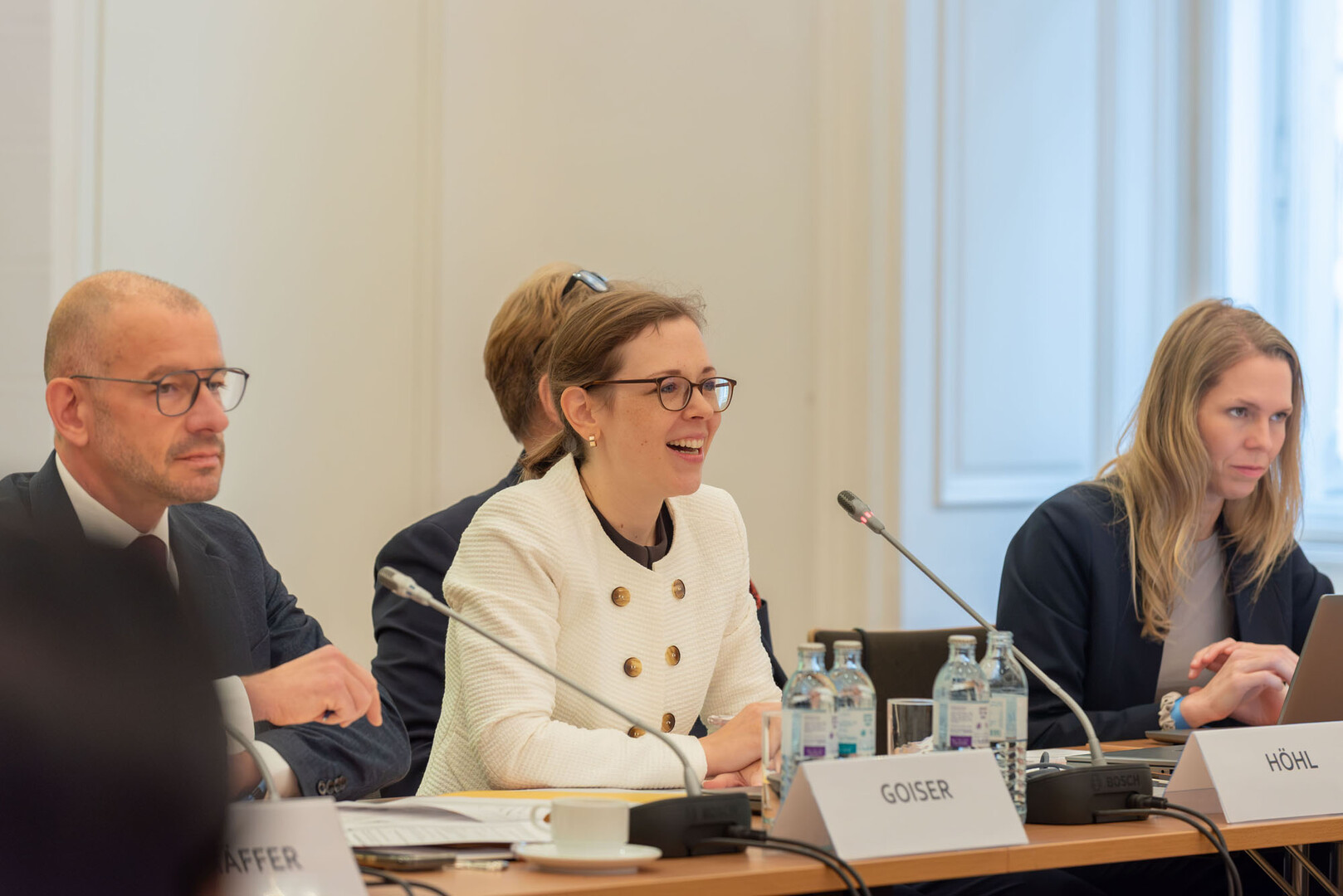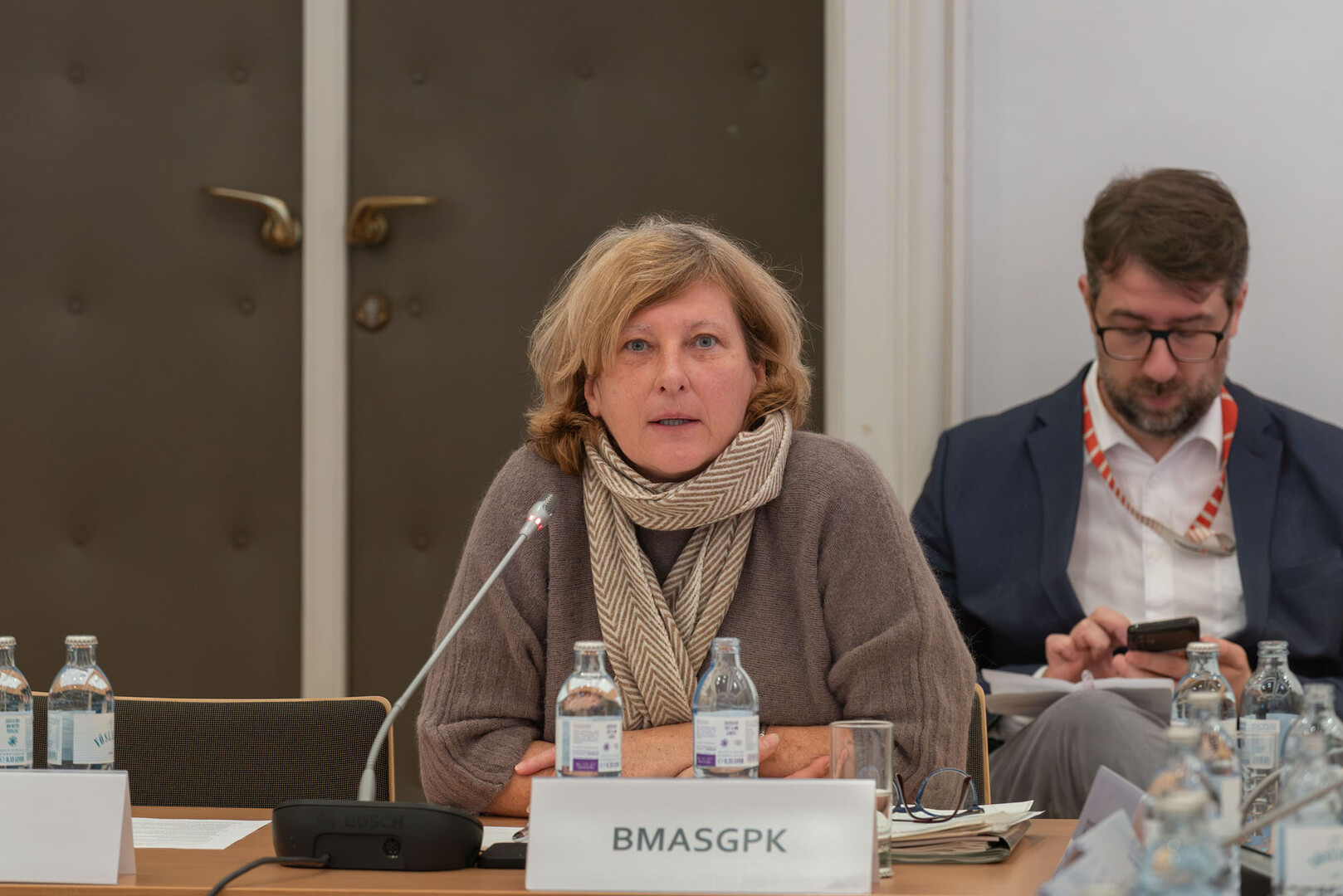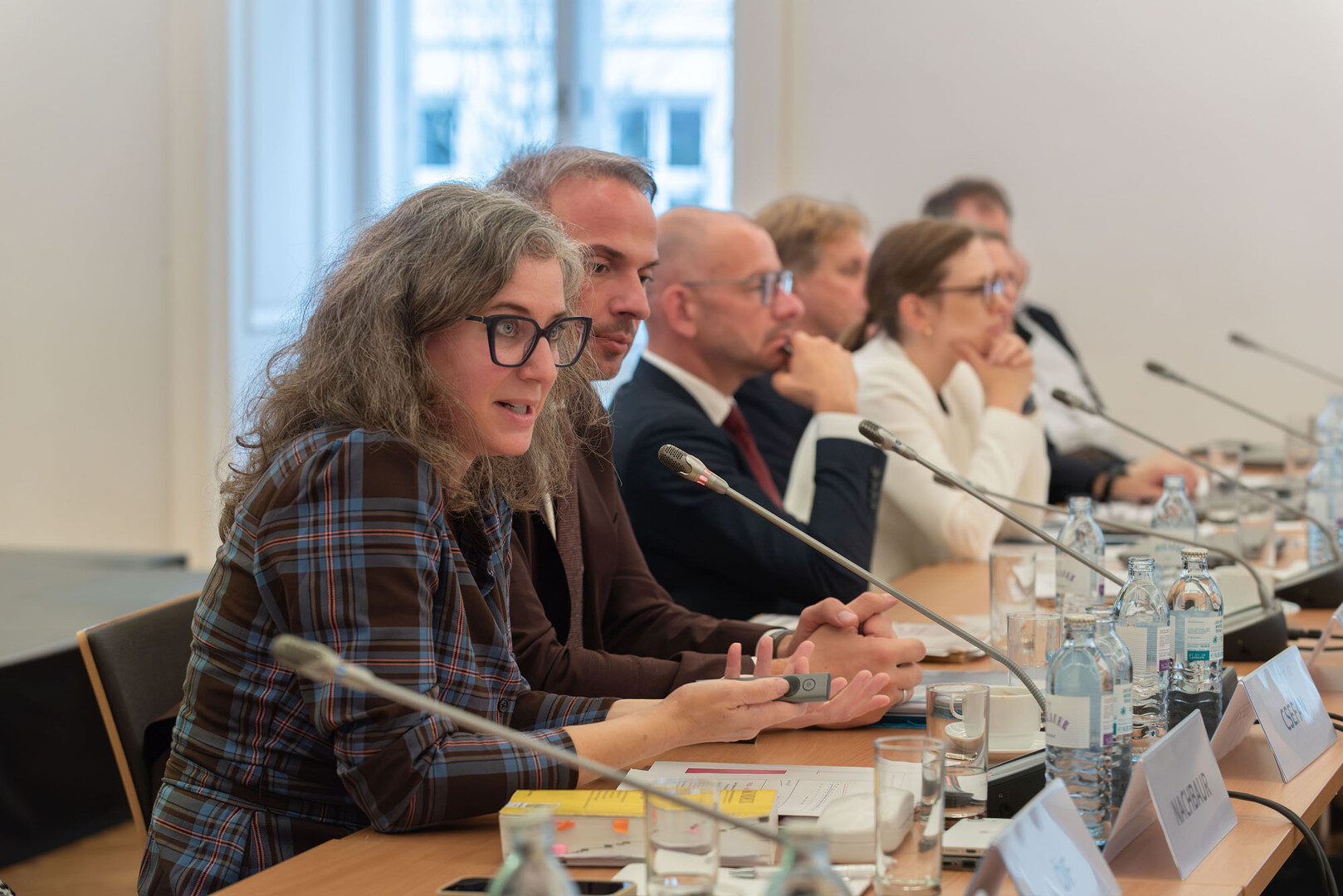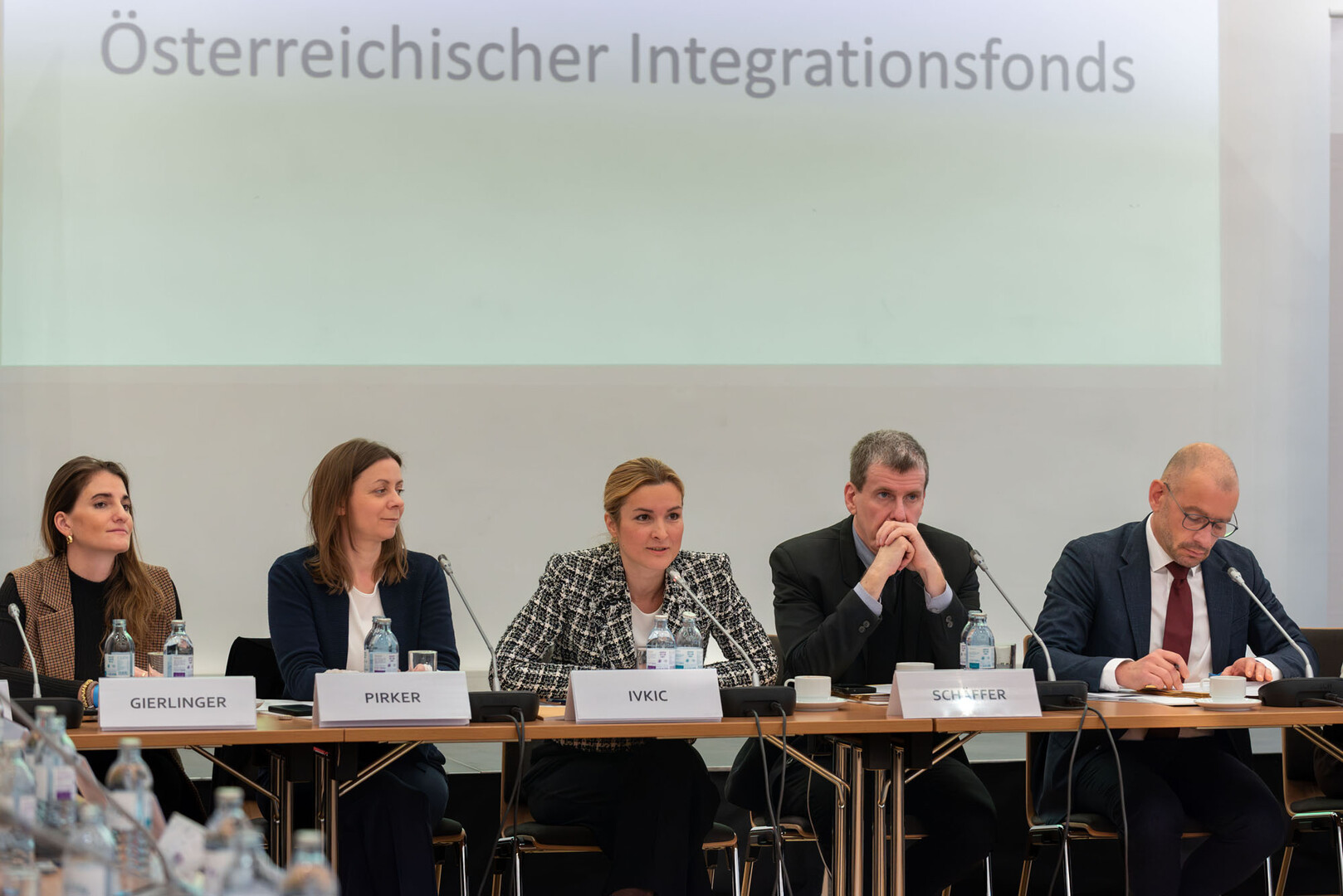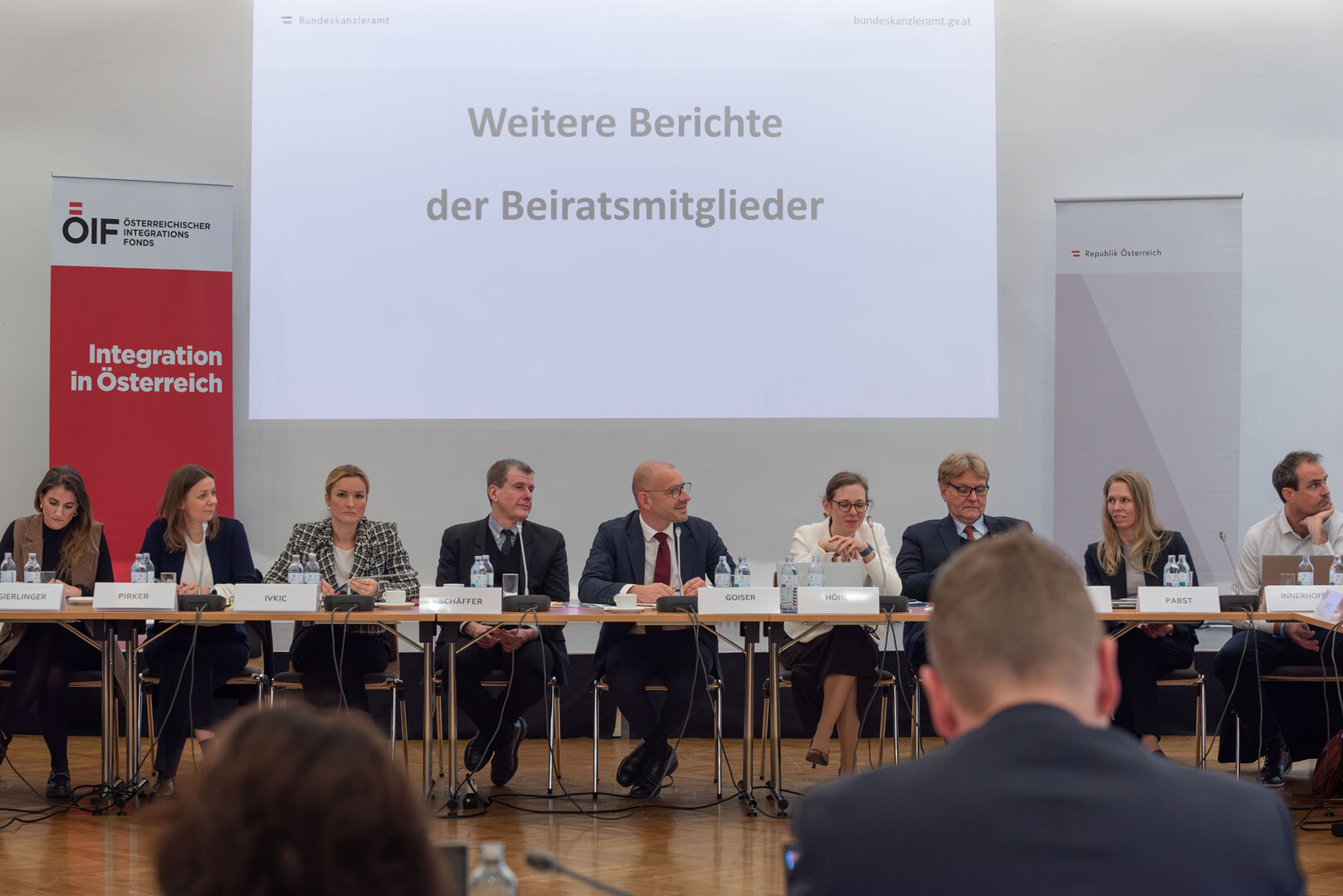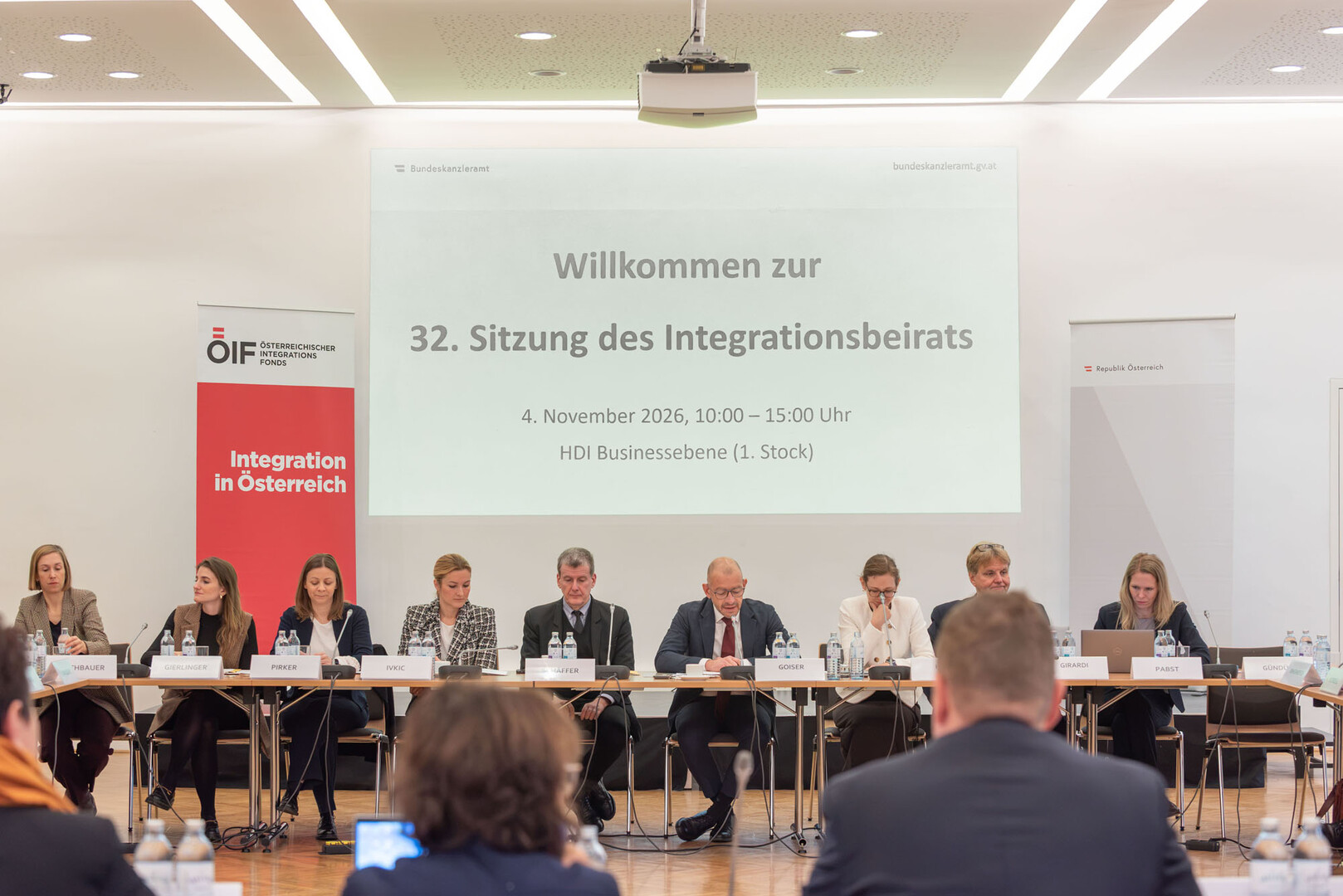
On Wednesday, November 4, 2026, the 32nd meeting of the Integration Advisory Board took place at the Vienna House of Engineers. The meeting was opened by Roland Goiser, Deputy Director of the Austrian Integration Fund (ÖIF) and Vice-Chair of the Integration Advisory Board. Representatives from the federal government, the states, social partners, municipalities, cities, the Federation of Austrian Industries, and NGOs exchanged views on current developments and challenges in integration work. This meeting focused on the impact of artificial intelligence on the labor market and youth crime in the context of integration.
Updates on integration work: Reports from the advisory board members
As usual, the meeting began with an agenda that included current developments, projects, and measures in the field of integration. The Federal Chancellery (BKA) provided information on the legal basis of the planned mandatory integration program. Carla Piker (Head of German Language Courses) presented the planned measures for the German language component in more detail. Furthermore, Andrea Otter, Deputy Head of Group at the Federal Ministry of Labour, Social Affairs, Health, Care and Consumer Protection (BMASGPK), reported on the planned reform of social assistance, and Mandana Poureh (State of Carinthia) spoke about the State Integration Officers' Conference (LIRK) scheduled for October 2026. Additionally, the State of Upper Austria presented new standards for German language courses in Upper Austria. in particular with regard to the standardization of quality standards, the central assessment of language proficiency by the ÖIF and the exchange of data via the federal integration interface.
Impact of artificial intelligence on the labor market in the context of integration
A key theme of the 32nd session focused on the impact of artificial intelligence (AI) on the labor market and its significance for integration. Presentations on this topic were given by Dr. Ljubica Nedelkoska (Complexity Science Hub), Roland Sauer (Head of the Labor Market Section at the Federal Ministry of Labour, Social Affairs, Health, Care and Consumer Protection), and Thomas Stiglbrunner (Head of the Digital Learning Team at the Austrian Integration Fund). The central question was the significance of technological change for the labor market and integration, for example, through changes in job profiles and qualification requirements, or through the opportunities and challenges of using AI for people with a migration background. The Austrian Integration Fund (ÖIF) provided insights into teaching digital skills in German language classes and new learning opportunities for promoting digital literacy.
Youth crime in the context of integration
The second thematic focus addressed youth crime in the context of integration. Presentations on this topic were given by Prof. Dr. Frank Urbaniok (psychiatrist and author), Dieter Csefan (Vice President of the Vienna State Police Directorate), and Dr. Dina Nachbaur (NEUSTART). The diverse professional perspectives from psychiatry, policing, and social work formed the basis for the discussion of this subject. In addition to scientific findings and experiences from police work, social work approaches to violence prevention, rehabilitation, and deradicalization were also examined.