About Cookies

This website uses cookies. Those have two functions: On the one hand they are providing basic functionality for this website. On the other hand they allow us to improve our content for you by saving and analyzing anonymized user data. You can redraw your consent to using these cookies at any time. Find more information regarding cookies on our Data Protection Declaration and regarding us on the Imprint.

These cookies are needed for a smooth operation of our website.

Name Purpose Lifetime Type Provider
CookieConsent Saves your consent to using cookies. 1 year HTML Website
fe_typo_user Assigns your browser to a session on the server. session HTTP Website

Name Purpose Lifetime Type Provider
GoogleMaps Is used to connect to Google Maps and to display those maps. none Connection Google

With the help of these cookies we strive to improve our offer for our users. By means of anonymized data of website users we can optimize the user flow. This enables us to improve ads and website content.

Name Purpose Lifetime Type Provider
_pk_id Used to store a few details about the user such as the unique visitor ID. 13 months HTML Matomo
_pk_ref Used to store the attribution information, the referrer initially used to visit the website. 6 months HTML Matomo
_pk_ses Short lived cookie used to temporarily store data for the visit. 30 minutes HTML Matomo
_pk_cvar Short lived cookie used to temporarily store data for the visit. 30 minutes HTML Matomo
_pk_hsr Short lived cookie used to temporarily store data for the visit. 30 minutes HTML Matomo
Automatically translated with AI

This page was automatically translated using AI and serves as an additional aid and service. For legally binding content, please use the German page.

Stefan Karner presented “Secret Files on Prisoners of War in Russia” at the Old Main Customs Office

Book presentation at the Old Main Customs Office: Historian Stefan Karner reported on his many years of research on missing prisoners of war in the former Soviet Union.

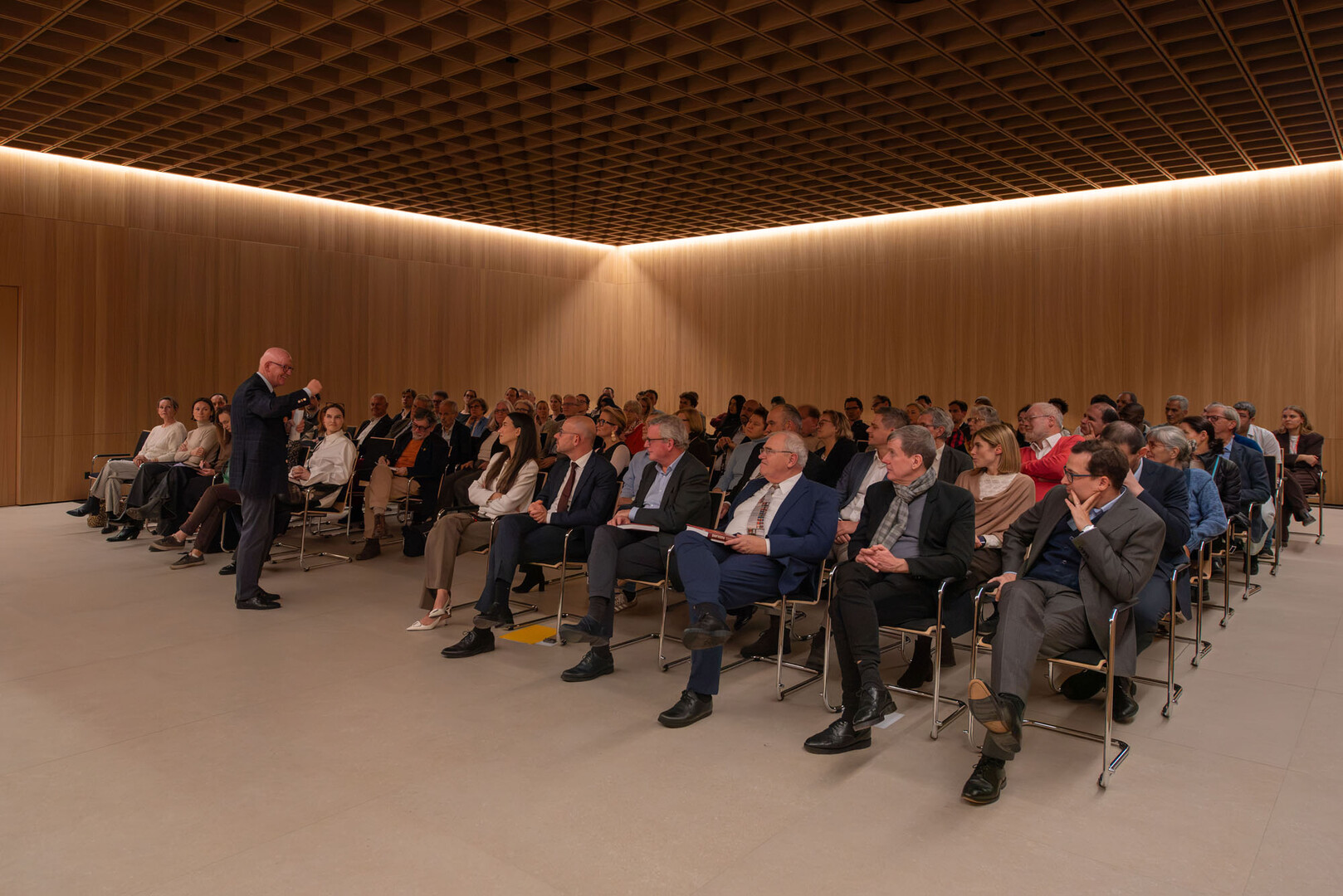
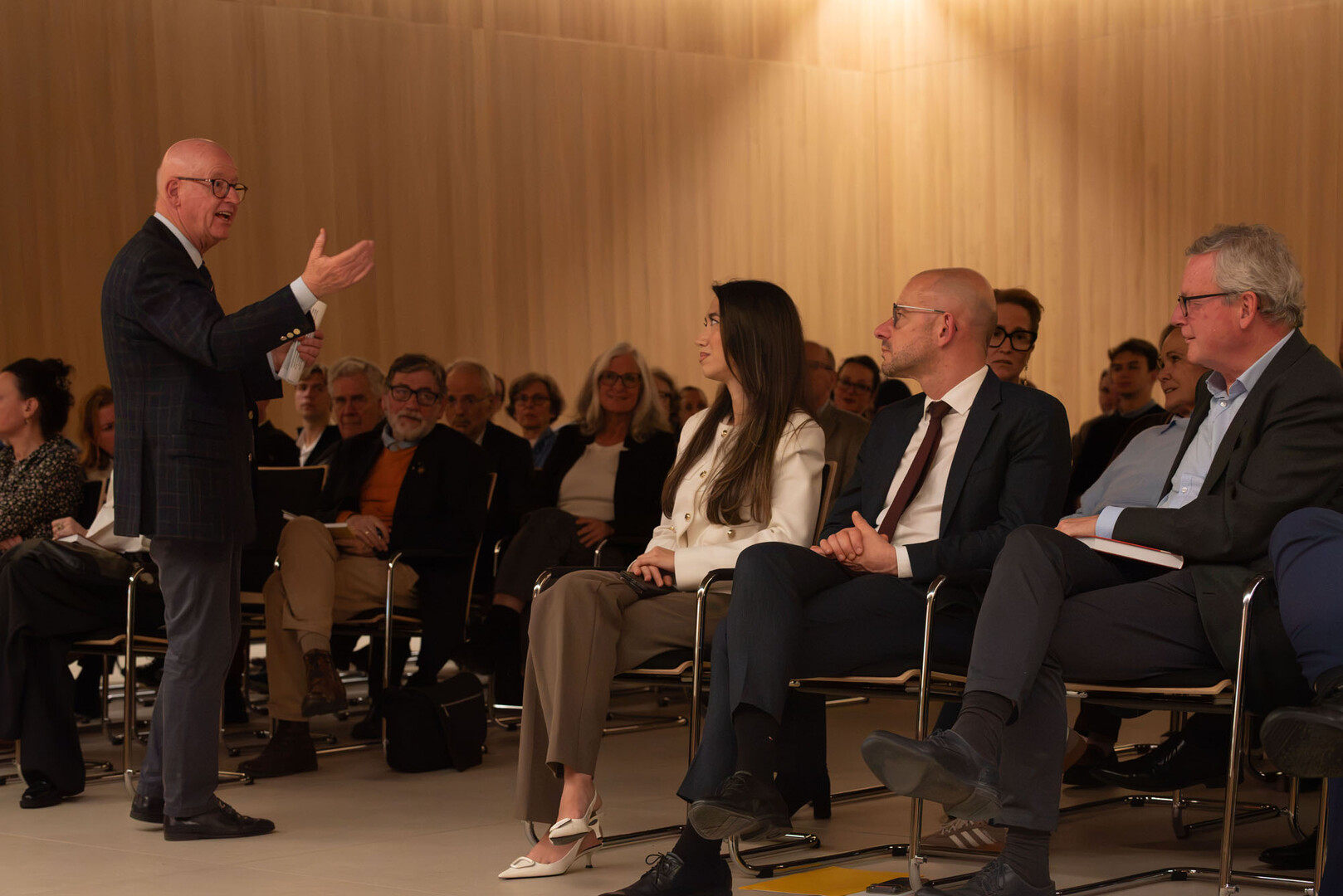
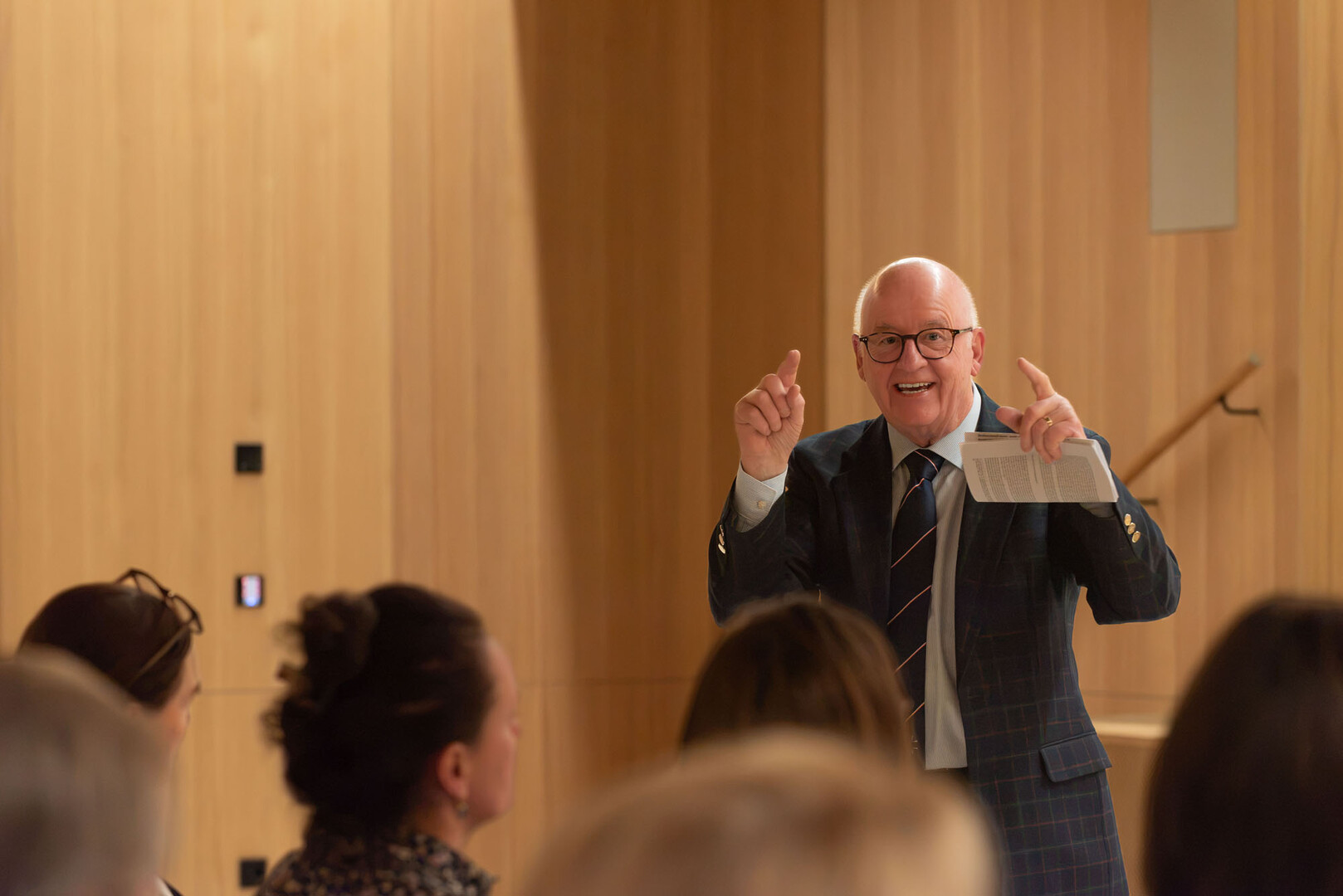
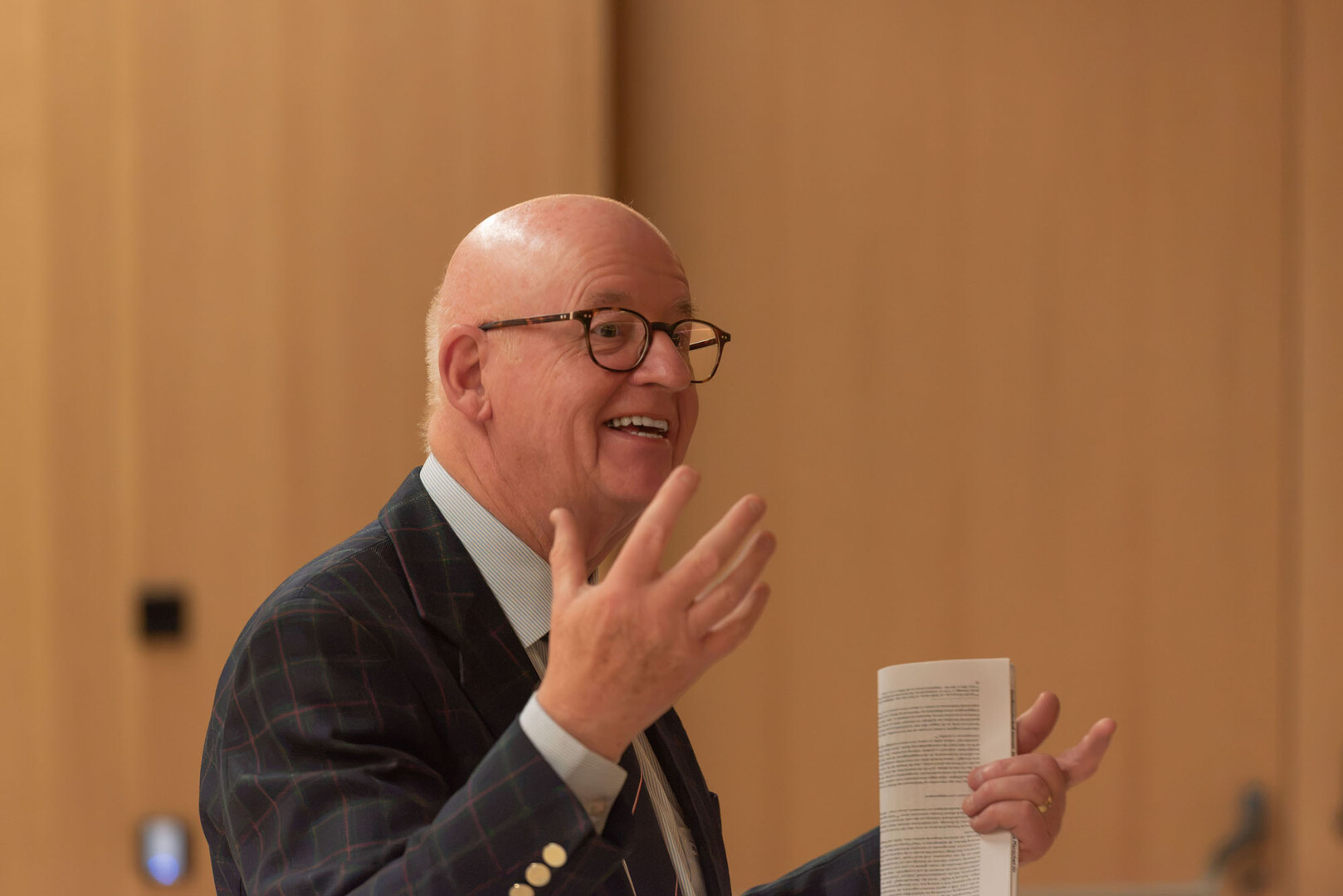
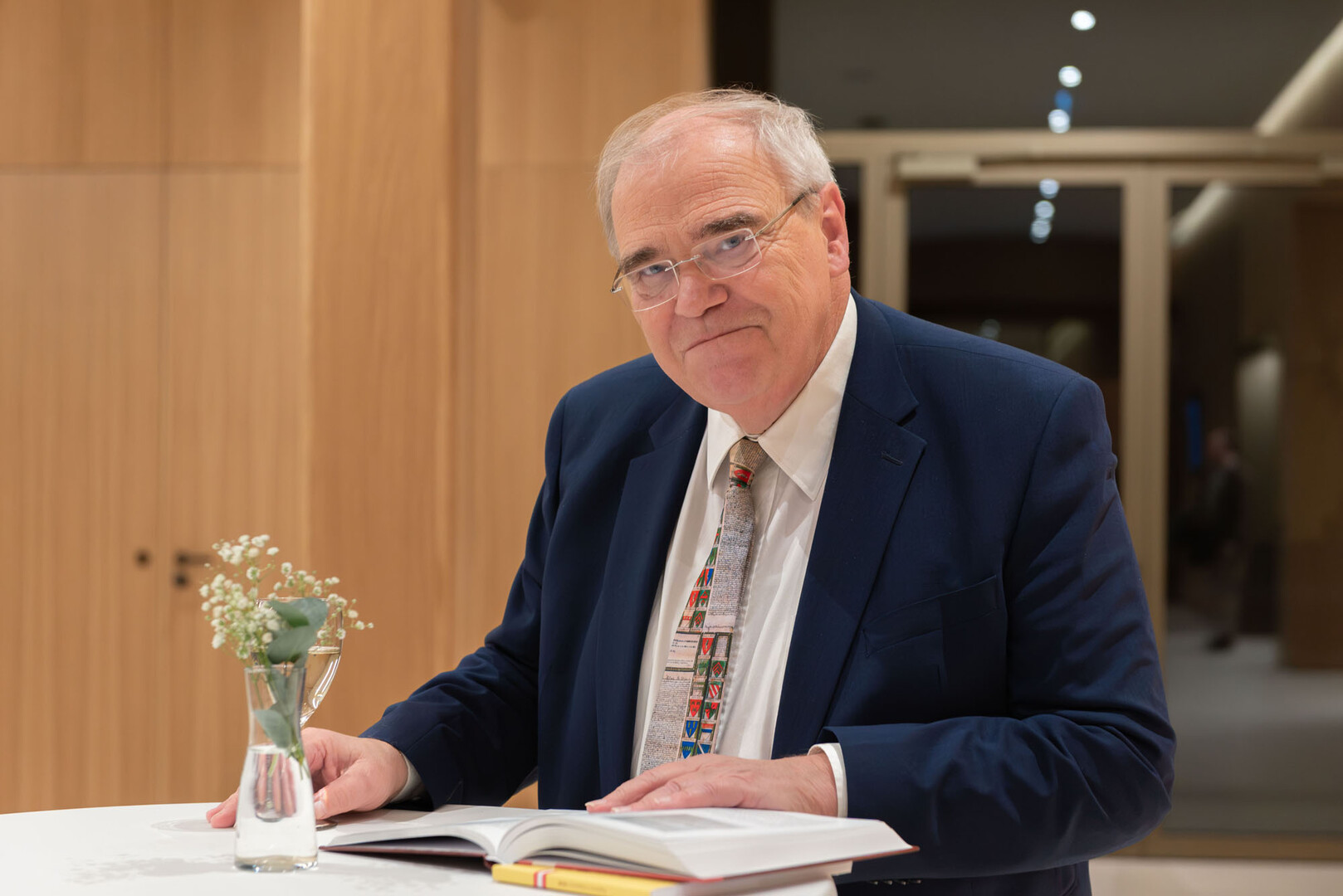
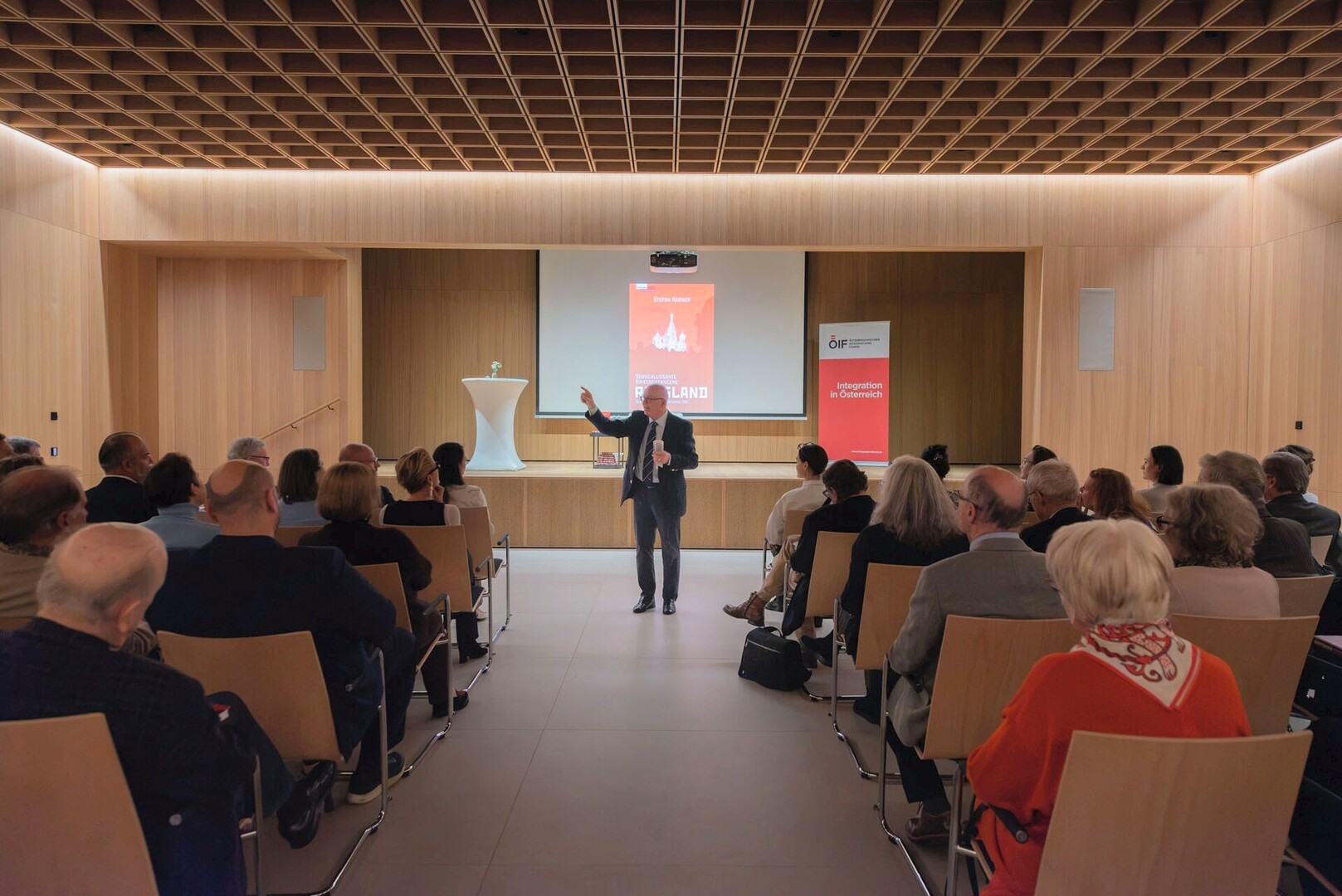
Stefan Karner at the presentation of his book "Secret File: Prisoners of War in Russia" in the attic of the Old Main Customs Office

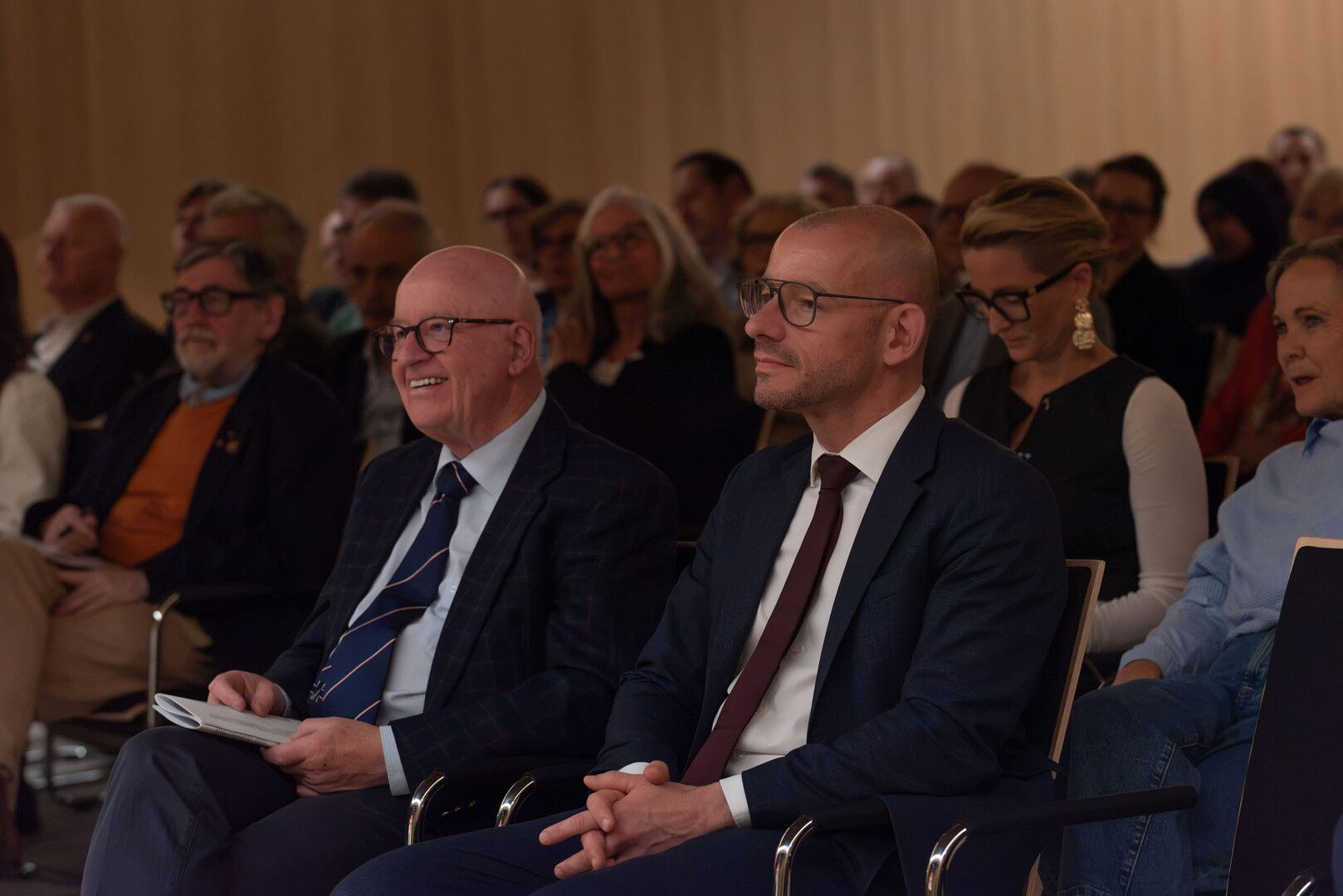
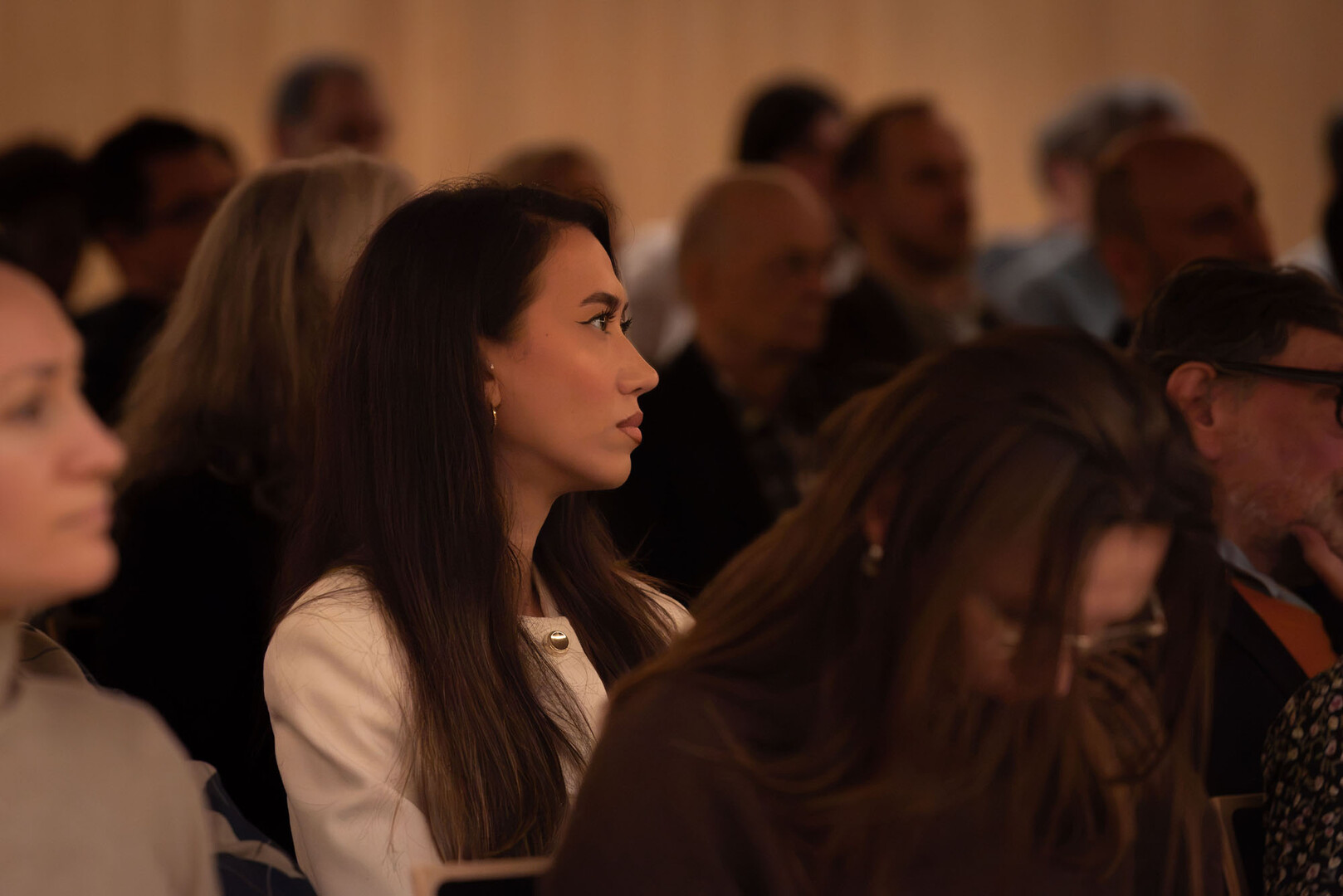
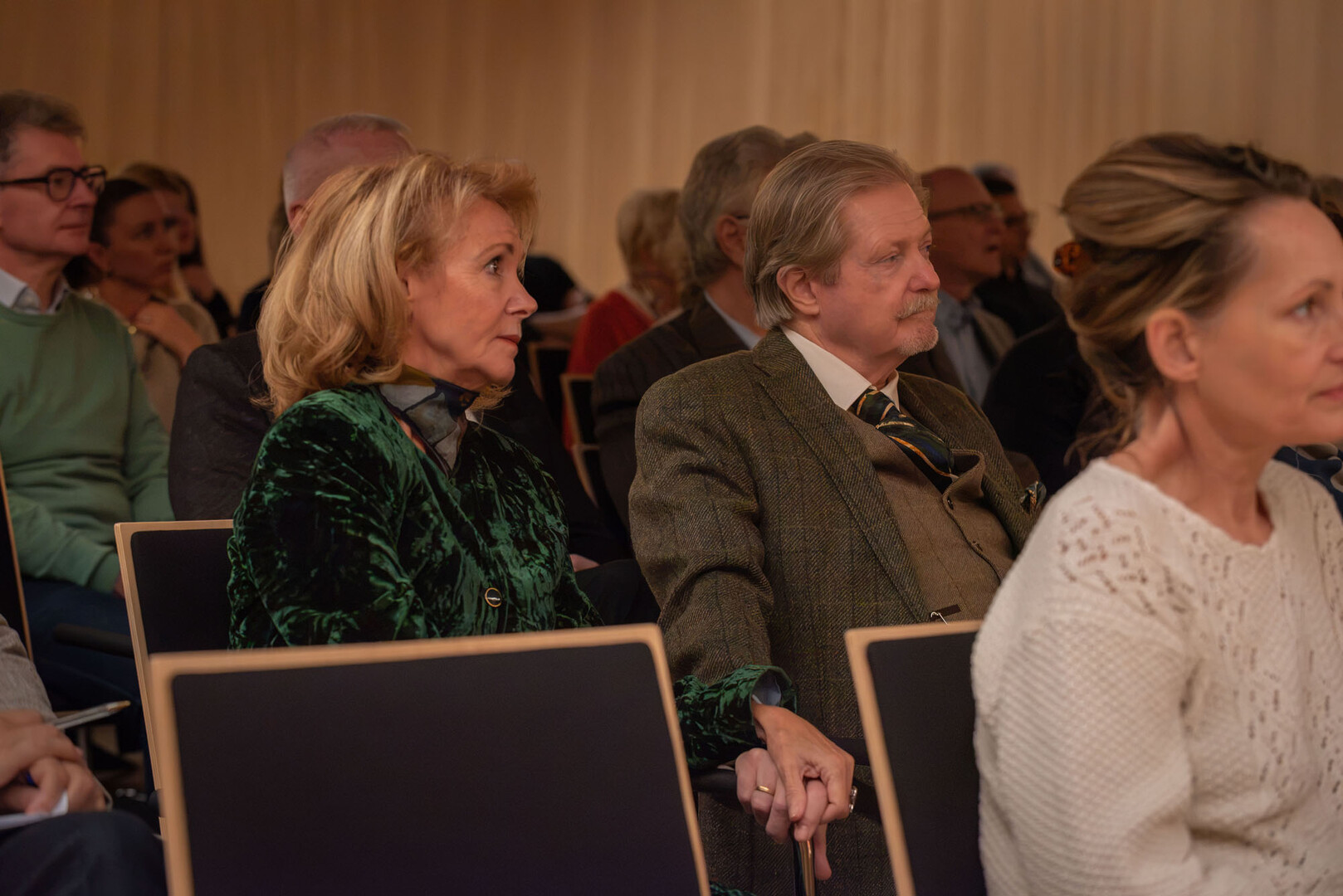
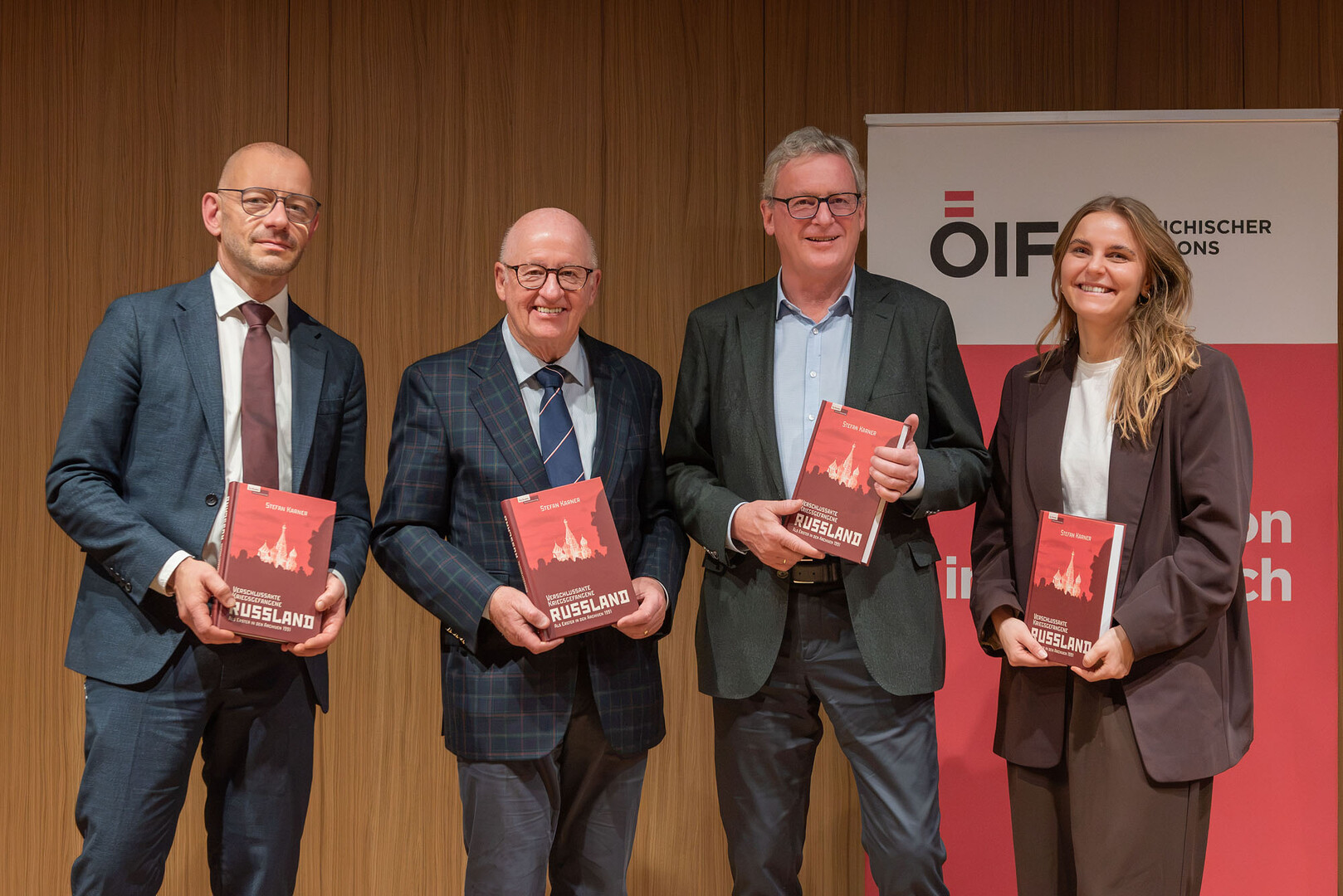
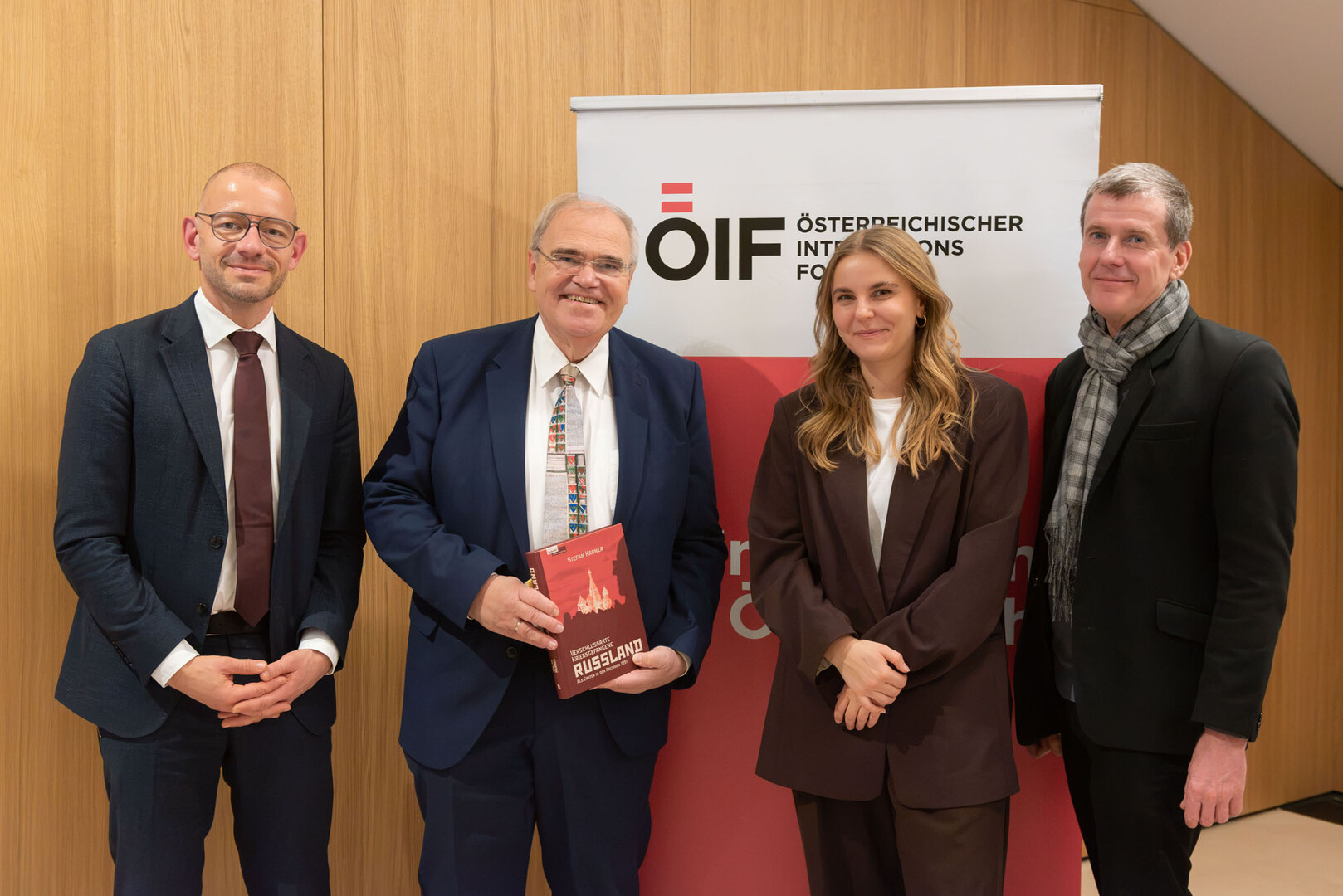
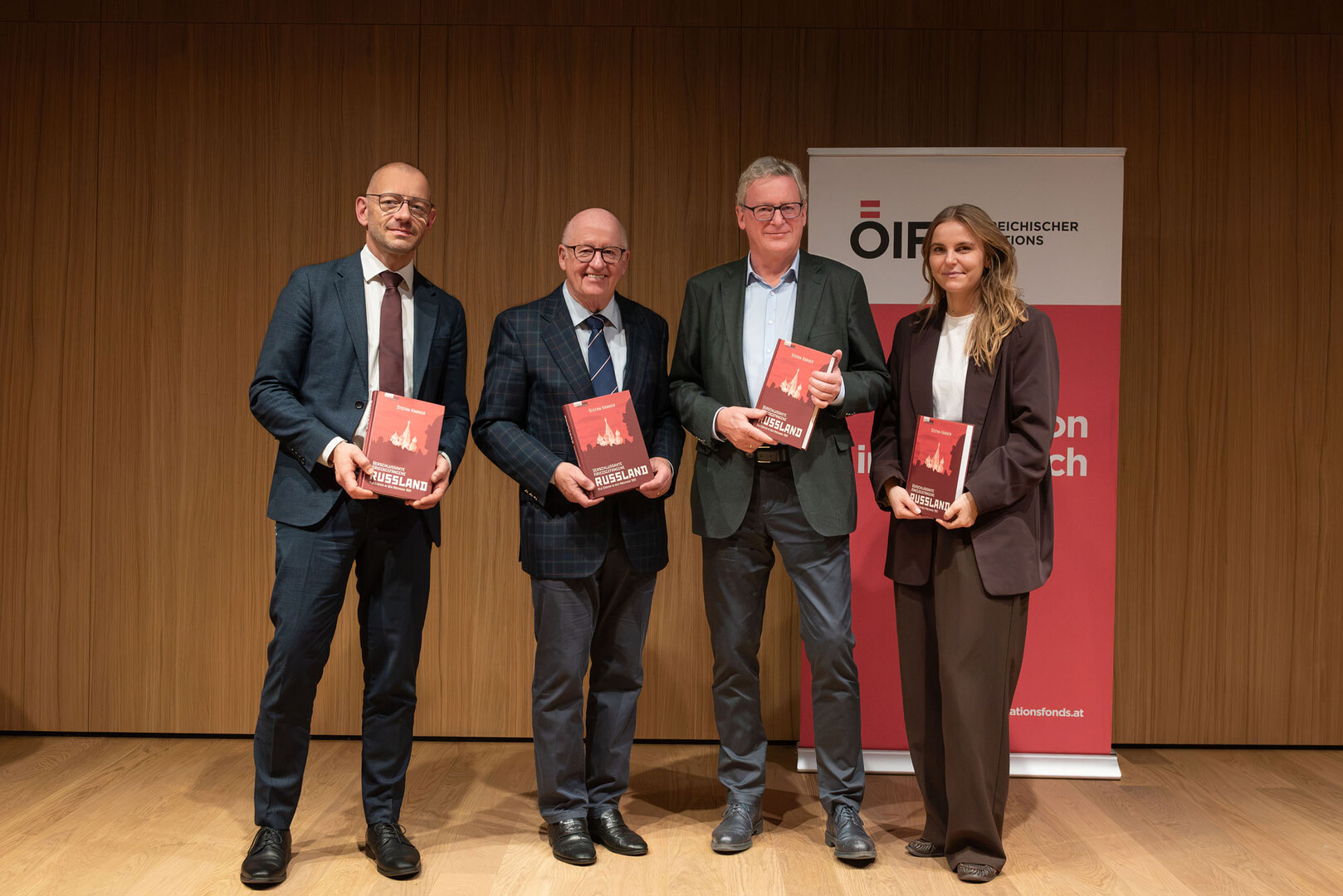
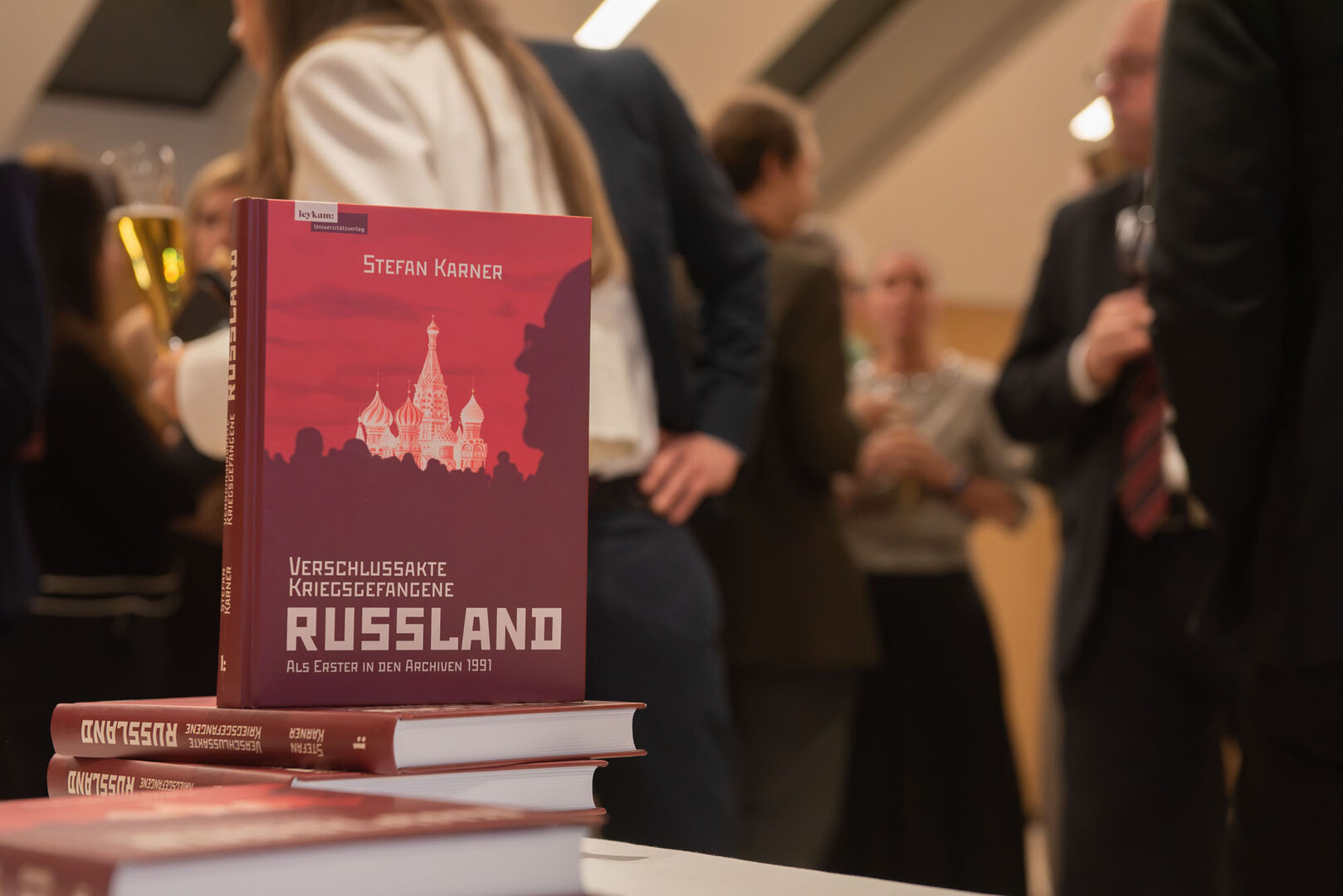
On November 12, 2026, the Austrian Integration Fund (ÖIF) welcomed around 100 guests to the presentation of Stefan Karner's new book, "Secret Files on Prisoners of War in Russia – The First to Access the Archives in 1991," at the Old Main Customs Office in Vienna. The focus was on the historian's personal experiences as the first Western representative to gain access in 1991 to millions of secret prisoner-of-war files from the Soviet secret police, the NKVD. Austrian contemporary history was also given ample attention in the engaging and accessible presentation.

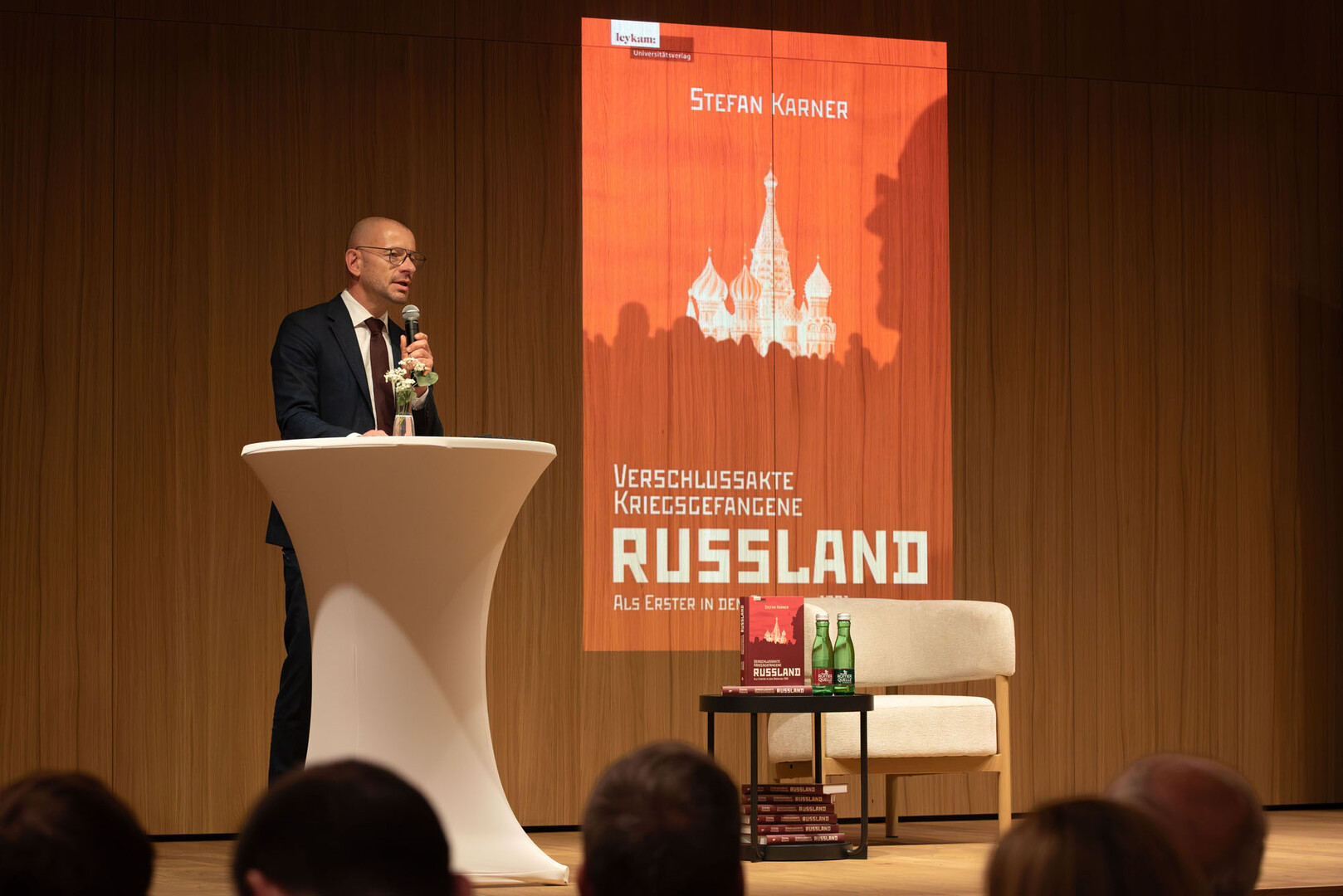
The welcoming remarks were given by Roland Goiser, Deputy Director of the Austrian Integration Fund (ÖIF), and Stefan Gartler from Leykam Publishing. The foreword was written by Ambassador Johannes Eigner, who himself was stationed at the Austrian Embassy in Moscow from 1987 to 1995.

Secret files as the key to unresolved fates

In his lecture, Stefan Karner described his experiences in the Soviet Union at the time, the detective work that ultimately led him to the secret archives, and his extraordinary research in Moscow. This unprecedented access to previously sealed archives opened up new possibilities for tracing the fate of prisoners of war. His research made it possible to clarify the fate of thousands of missing persons far beyond Austria's borders.

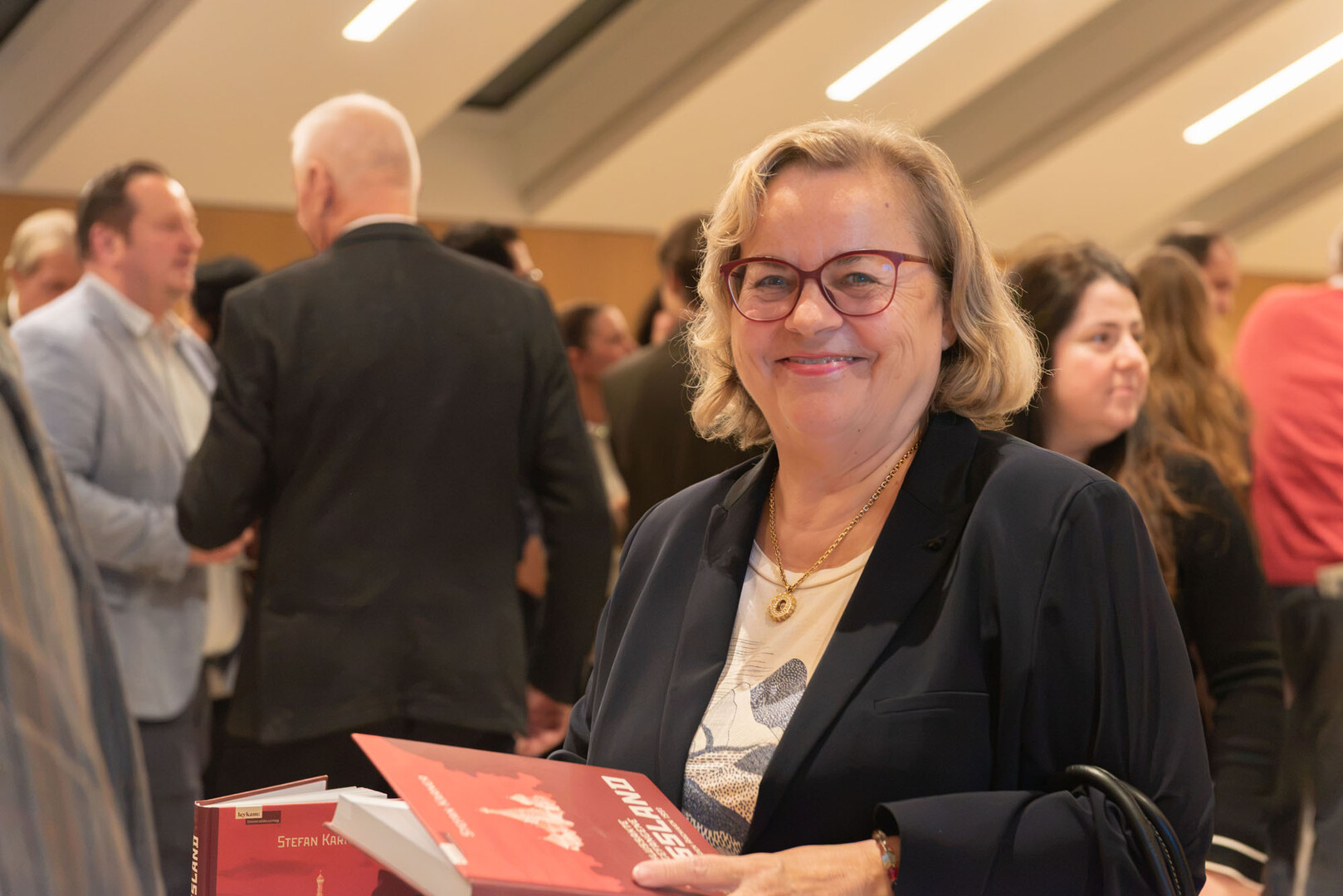
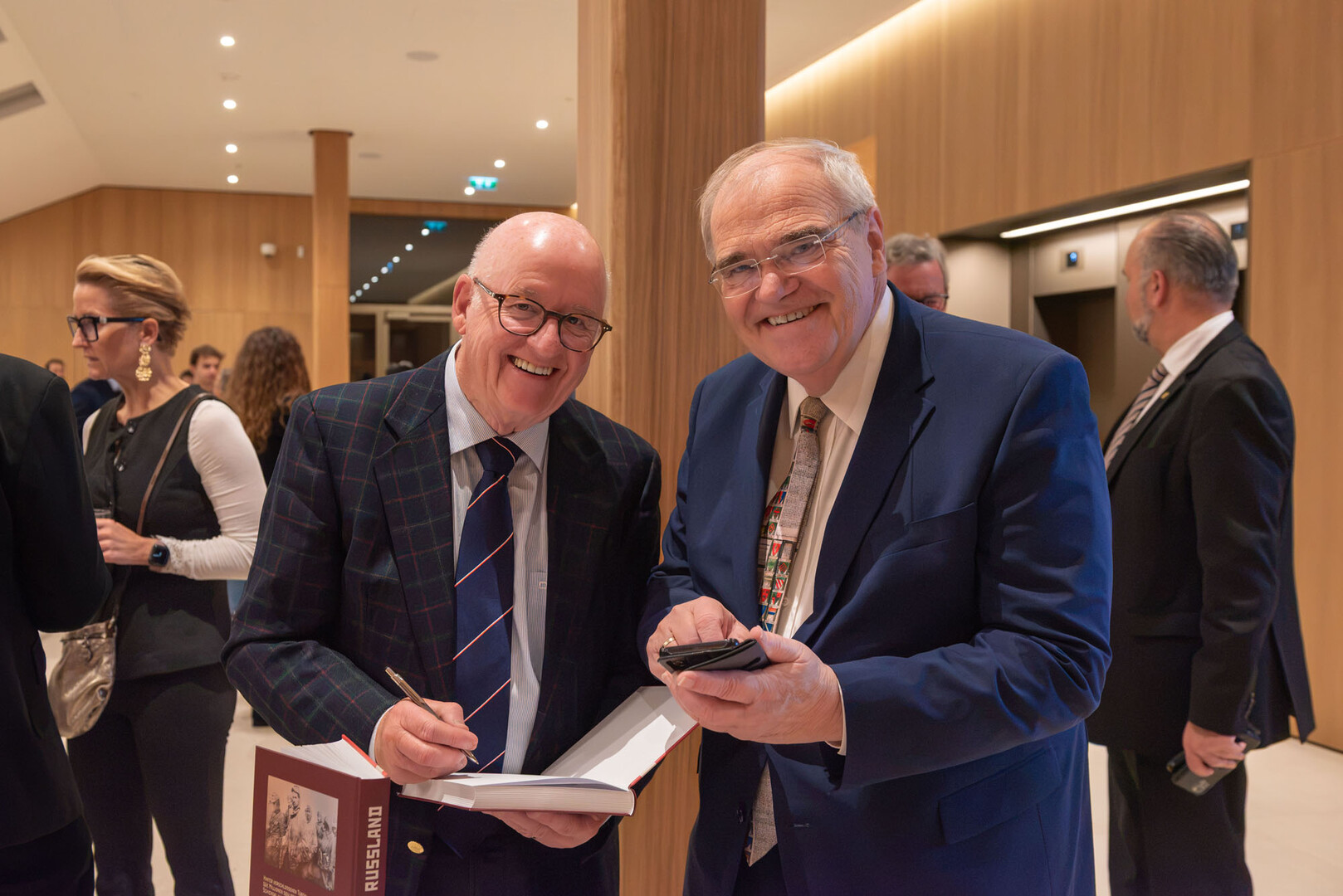
In addition to the lecture, excerpts from television interviews and segments featuring Stefan Karner were shown. During the subsequent reception in the foyer, guests had the opportunity to network and have their books signed by the author.
About the book

Stefan Karner's book "Secret File: Prisoners of War in Russia – First in the Archives 1991" combines historical research with personal insights into Russian society in 1991. Karner describes a time of political upheaval between the communist past and the opening to the West, and which events and people ultimately made it possible to give thousands of families certainty about the fate of their relatives after several decades.

New ÖIF location as a place for encounters and exchange

With the Old Main Customs Office, the Austrian Integration Fund (ÖIF), guided by the principle "A House for Austria," is creating a central hub for social exchange. Four existing Viennese locations will be consolidated under one roof, bringing together services for learning German, values education, counseling, and career entry. At the same time, the ÖIF is opening the building to the public: book presentations, seminars, public discussions, and other events will provide a space for encounters and engagement with issues of integration and social cohesion.