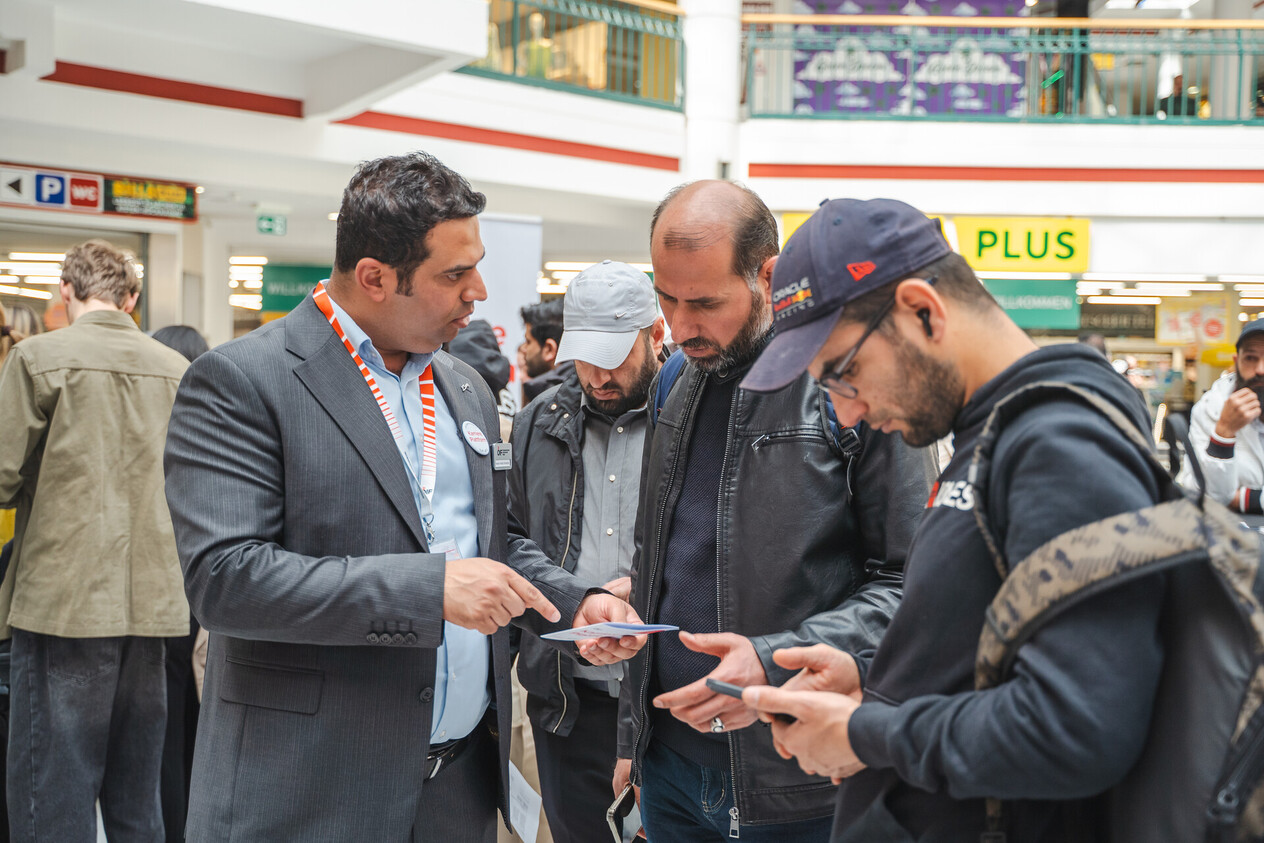
Those who work at the Austrian Integration Fund (ÖIF) often bring more than one language to the table: In total, the staff speak 54 languages. Besides German, English, French, Russian, Arabic, and Spanish are particularly common. Other languages spoken include Italian, Ukrainian, Persian/Farsi, Turkish, Bosnian/Croatian/Serbian, and Dari. In addition, the diverse educational and professional backgrounds and expertise of the staff inform their daily work. The benefits of additional language skills are especially evident in the counseling service. A large proportion of the ÖIF's counselors speak languages other than German. Especially when immigrants are just beginning to learn German, they can help clarify questions, explain procedures clearly, and provide information about suitable German language and integration programs.
Language skills in use: Multilingual counselling at the ÖIF
The staff of the Austrian Integration Fund (ÖIF) utilize their additional language skills where they are specifically needed in their interactions with immigrants. In integration counseling, for example, this can help clarify questions about German courses, funding opportunities, or entering the workforce, and explain important next steps. Counseling sessions are generally conducted in German; however, staff can use their other language skills to provide support when necessary.
Multilingualism also plays a role in the values and orientation courses. These courses are held in German and convey essential foundations for life in Austria – from democracy and the rule of law to equality, rights, and responsibilities. If needed, the content is interpreted so that participants with limited German skills can follow the course material and ask questions.
Hussein Al-Saedi, interpreter in the values and orientation courses: “The values and orientation courses begin immediately after asylum or subsidiary protection has been granted. At this point, many participants still speak little German. Nevertheless, it is important to convey the essential foundations for life in Austria from the very beginning: what rules apply, what rights and obligations exist, and what significance learning German, education, and work have for an independent life. Therefore, the courses are held in German and interpreted as needed.”
In cases of violence and difficult life situations: Multilingual support at the ÖIF Women's Centre
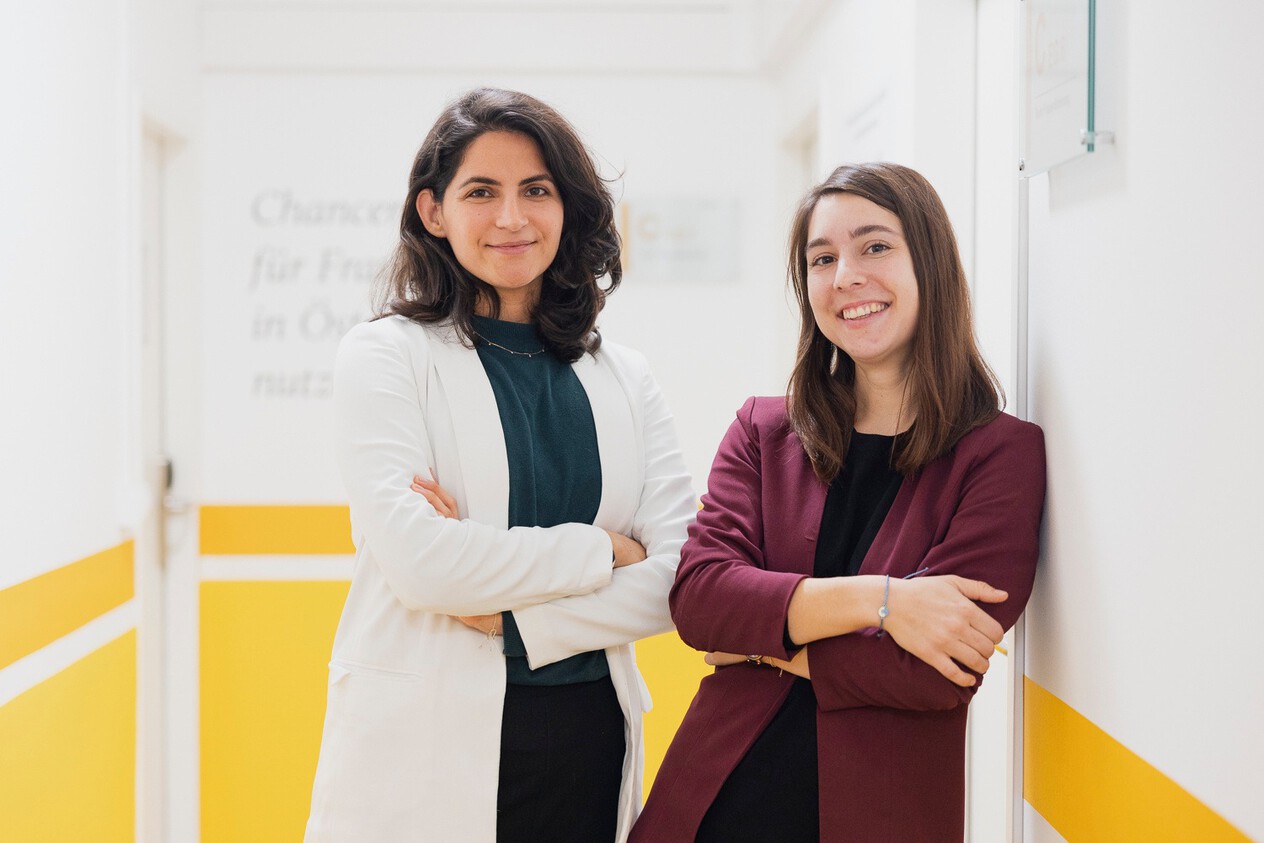
Language support can be particularly important in sensitive counseling situations. At the ÖIF Women's Center, immigrant women and women with refugee status receive support on topics such as protection from violence, health, family, education, and employment. Especially for women who speak little German and are affected by violence, additional language skills can help to understand their concerns, explain available support options, and refer them to the appropriate services.
Sonia Koul, head of the ÖIF Women's Center: "We also see women who speak little German and don't know where to find support in cases of violence or difficult life situations. In these situations, it's crucial to provide rapid assistance and explain clearly what options are available and where the woman can turn for help. Being able to answer important questions in a familiar language helps us to quickly connect her with the appropriate support."
Integration.at: Information for immigrants in several languages
The Austrian Integration Fund (ÖIF) also offers multilingual information online: At integration.at, immigrants can find information about learning German, living and working in Austria, as well as counseling and support services in several languages. This makes it easier for people who are just starting to learn German to find their way around: They can find out about suitable programs, read about requirements, and learn what the next steps are. At the same time, the portal provides targeted links to German language learning programs and supports immigrants in further developing their German skills.
High proportion of women and top ranking in the Vienna Integration Index for the ÖIF
The Austrian Integration Fund (ÖIF) not only promotes integration through its work, but also unites employees with diverse backgrounds and experiences within its own organization. ÖIF staff members come from a wide range of ethnic, religious, and social backgrounds. Around 60% of employees have a migration background themselves, many of whom came to Austria as refugees. This diversity is particularly evident in the ÖIF's leadership structure: approximately two-thirds of managers are women.