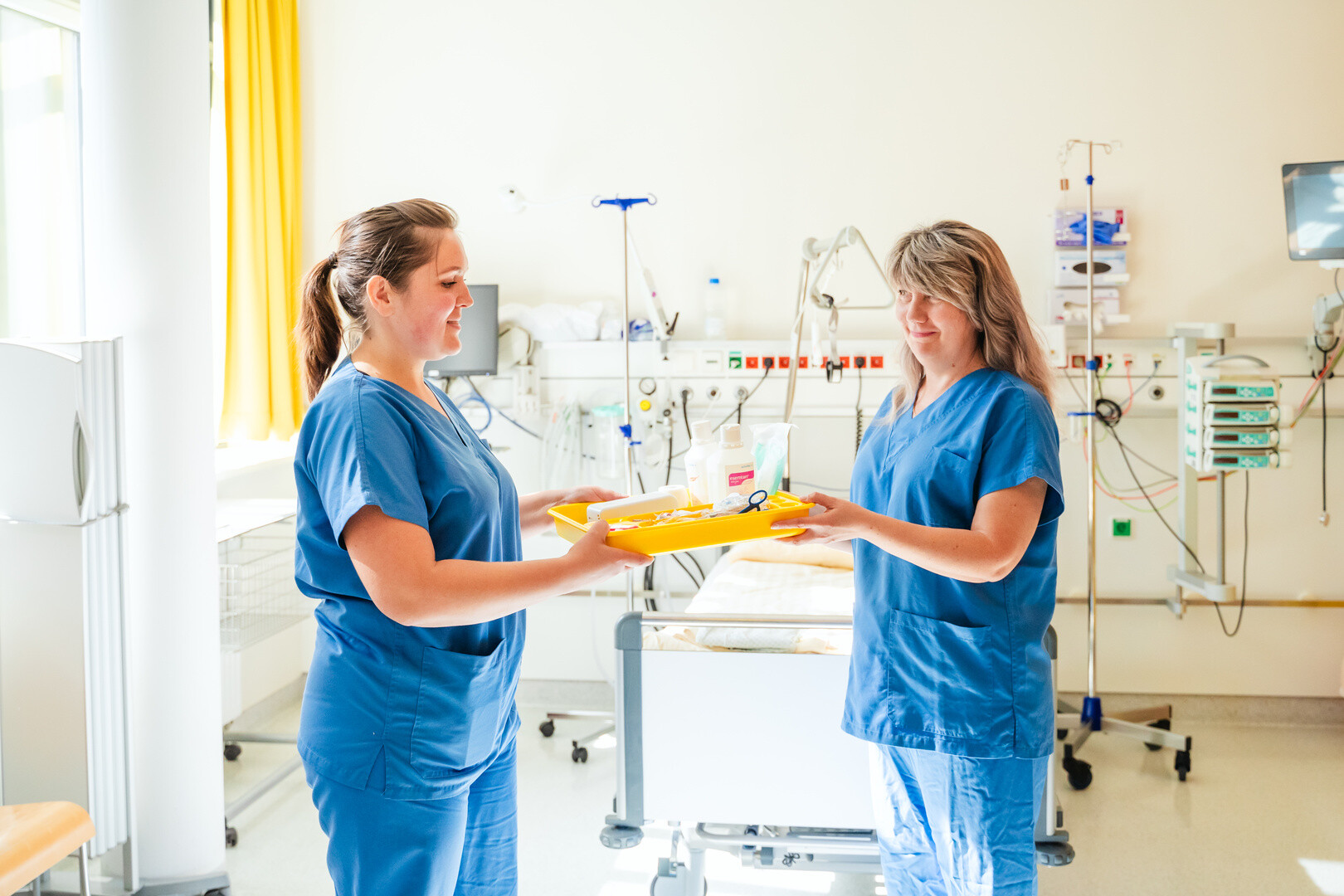
Good German language skills and proficiency in medical terminology are essential prerequisites for a successful career as a physician in Austria. As part of the recognition process, international physicians must therefore pass the German language examination (Fachsprachprüfung) administered by the Medical Association to be authorized to practice medicine in Austria. To better support them in this process, the Austrian Integration Fund (ÖIF), in cooperation with the Vienna Medical Association, is expanding its digital German language learning program starting in October with the new live webinar „Prüfungsvorbereitung: Fachsprache Deutsch für Ärzt/innen“.
Practical preparation for the specialist language exam
This two-hour webinar provides a concise overview of the German language proficiency examination for physicians. Participants will receive information on the examination procedure, formal requirements, and the oral and written components.
Using selected case studies from everyday clinical practice, typical examination situations and medical terminology are discussed. The aim is to be able to communicate medical content correctly, in a structured manner, and in a way that is understandable to patients in any situation.
Practicing oral and written exam situations
A particular focus in preparing for the oral examination is on switching between lay language in conversations with patients and medical terminology in exchanges with trained colleagues. This involves practicing the understandable explanation of medical terms and procedures for patients, in contrast to professional discussions with other physicians and specialists.
In addition to oral examination situations, possible written task formats are also covered. These include, for example, writing medical and patient letters, applications, or specialist articles. Participants receive guidance on structure, content, and appropriate wording.
Free, online and available monthly
As with the webinar „Deutsch für Ärzt/innen“ supplementary materials for self-study are available on the website Sprachportal. These include information on typical text types, useful phrases, and examples of written assignments.
This webinar is aimed at those seeking recognition of their medical qualifications and physicians at the B2/C1 level, and especially those who plan to take the German language examination soon. It will be held online every second Thursday of the month from 7:00 pm to 9:15 pm, starting in October. Active participation is strongly encouraged, and there will be ample opportunity to ask questions about the exam itself. The webinar will include discussions of case studies and practice of typical exam situations.
A wide range of German learning opportunities promotes language acquisition alongside work
With the new webinar, the Austrian Integration Fund (ÖIF) is expanding its existing digital learning opportunities for international doctors. The ÖIF already offers a practical learning program for everyday medical practice with its live online course „Deutsch für Ärzt/innen“ in cooperation with the Vienna Medical Association; this program is now being supplemented by targeted exam preparation for the specialist language examination.
With its comprehensive range of German language courses for working professionals, the Austrian Integration Fund (ÖIF) offers immigrants and refugees the opportunity to improve their language skills around the clock and regardless of location, alongside their employment or caregiving responsibilities. In addition to traditional German courses offered during off-peak hours and on weekends, working professionals can access free, job-specific online live courses by the ÖIF on Sprachportal, Austria's largest online German learning platform. These courses expand and deepen the industry-specific language skills for their respective sectors, such as gastronomy, hospitality and tourism, food retail, and nursing.